Why Cusco Is the Most Underestimated City in the Americas
“Cusco does not ask to be understood. It asks to be felt.”
Most people arrive in Cusco with Machu Picchu on their mind. They spend two nights, tick the sites, board a train to Aguas Calientes, and leave having seen the famous things without really seeing Cusco at all.
It is one of the great missed opportunities in travel.
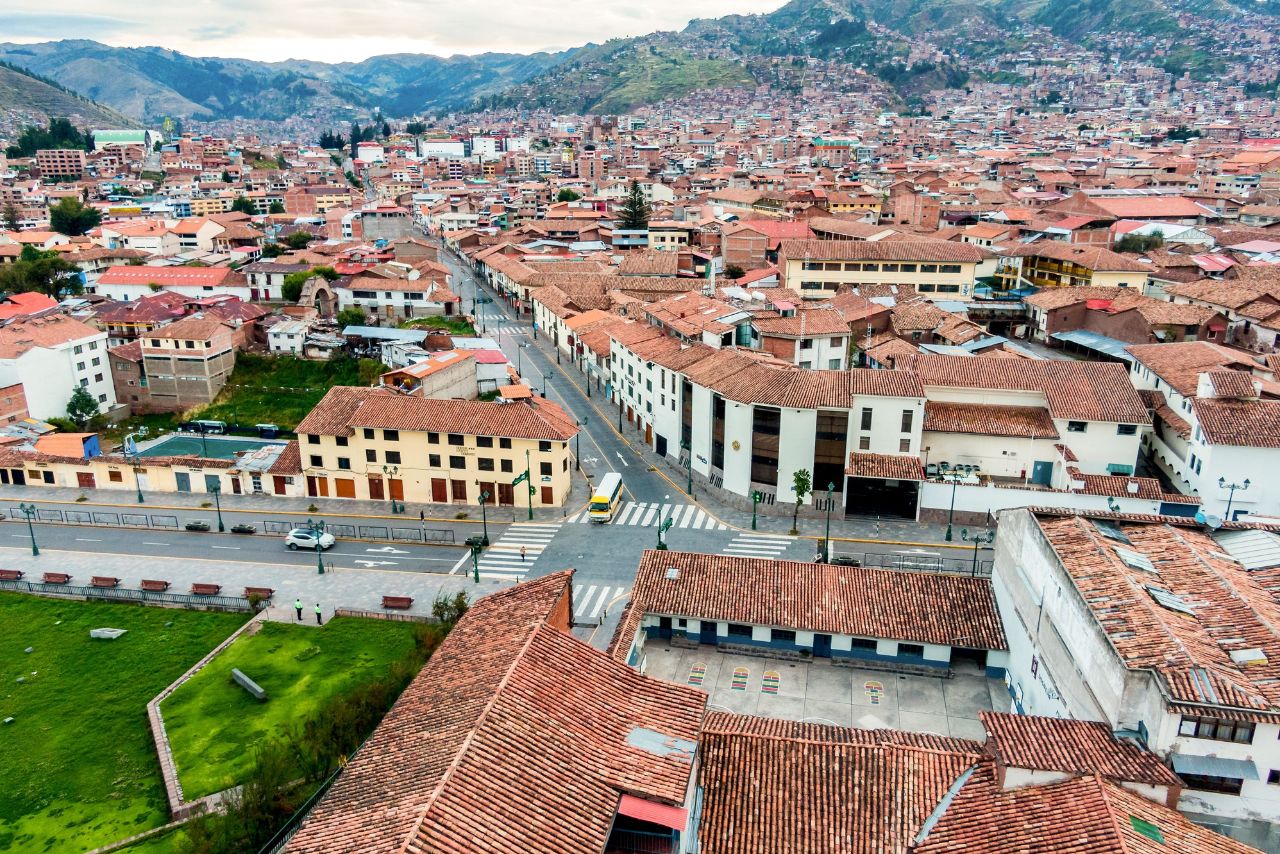
Cusco is the former capital of the largest empire the Americas has ever produced. It sits at 3,400 metres above sea level in the Peruvian Andes, in a valley ringed by mountains that the Inca considered sacred. Its streets are a collision of two civilisations, Inca stonework so precisely fitted it has outlasted every earthquake since the 13th century, with Spanish colonial architecture built directly on top of it. The result is a city unlike anything else on Earth.
And yet it is consistently underestimated. Treated as a stopover. Given two days when it deserves ten.
Here is what Cusco actually is, for those willing to find out.
What Makes Cusco Different From Any Other City?
Cusco was not just a capital. It was, in the Quechua language, Qosqo, the navel of the world.
The Inca understood it as the centre of everything, the point from which all four regions of their empire radiated outward. At its height, the Inca Empire stretched from present-day Colombia to the southern tip of Chile. Cusco was where it all converged.
That history is not confined to museums in Cusco Peru. It is present in the streets. Hatun Rumiyoc, one of the most extraordinary examples of Inca stonework in the city, runs through a neighbourhood where people live and walk their dogs and buy groceries. The twelve-angled stone, so precisely cut that not a blade can pass between it and the stones around it, sits in a wall that has been standing for six centuries. You can touch it.
The Spanish built their churches and palaces directly on top of Inca foundations, partly as a statement of conquest and partly because the Inca knew how to build on seismic ground in a way the Spanish never fully mastered. The result is that Cusco contains two cities in one, with one visible and the other one underneath, both extraordinary.
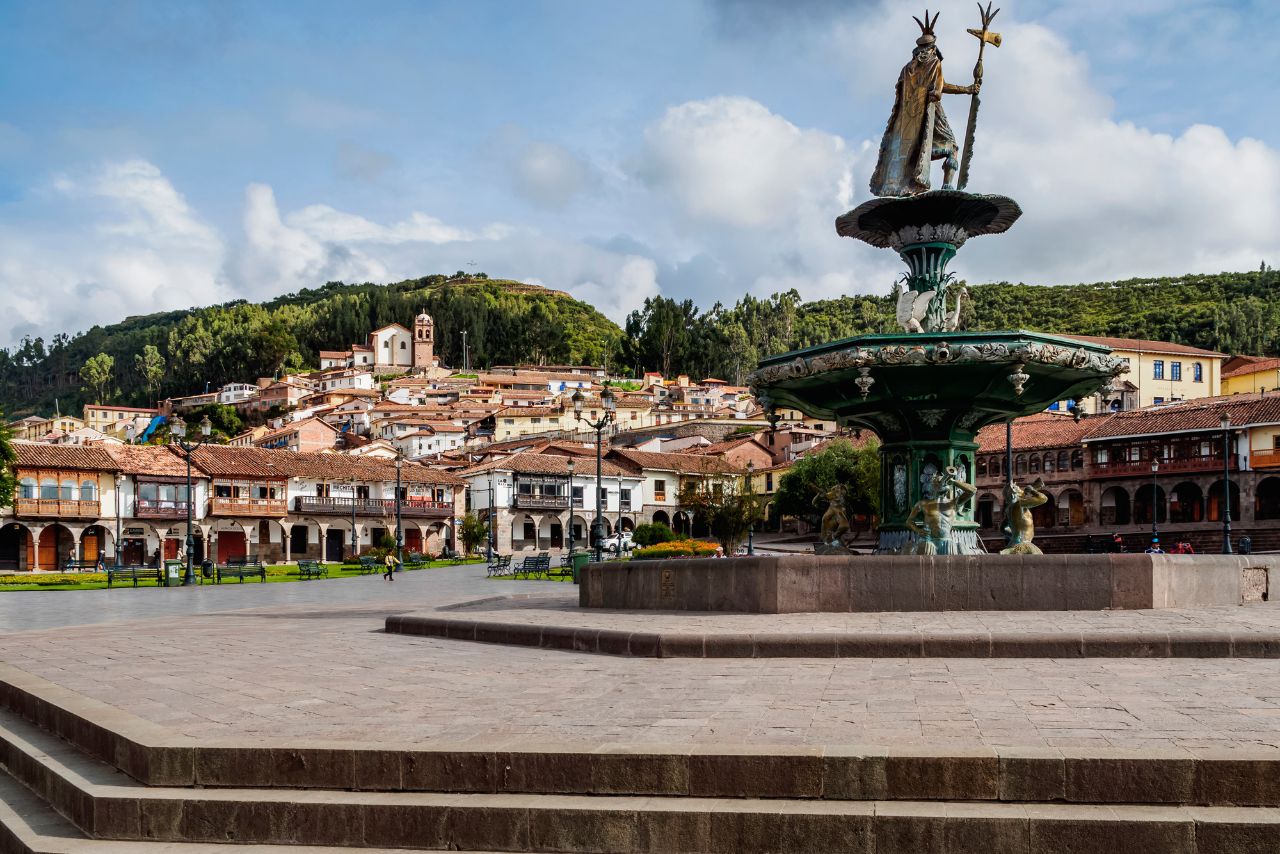
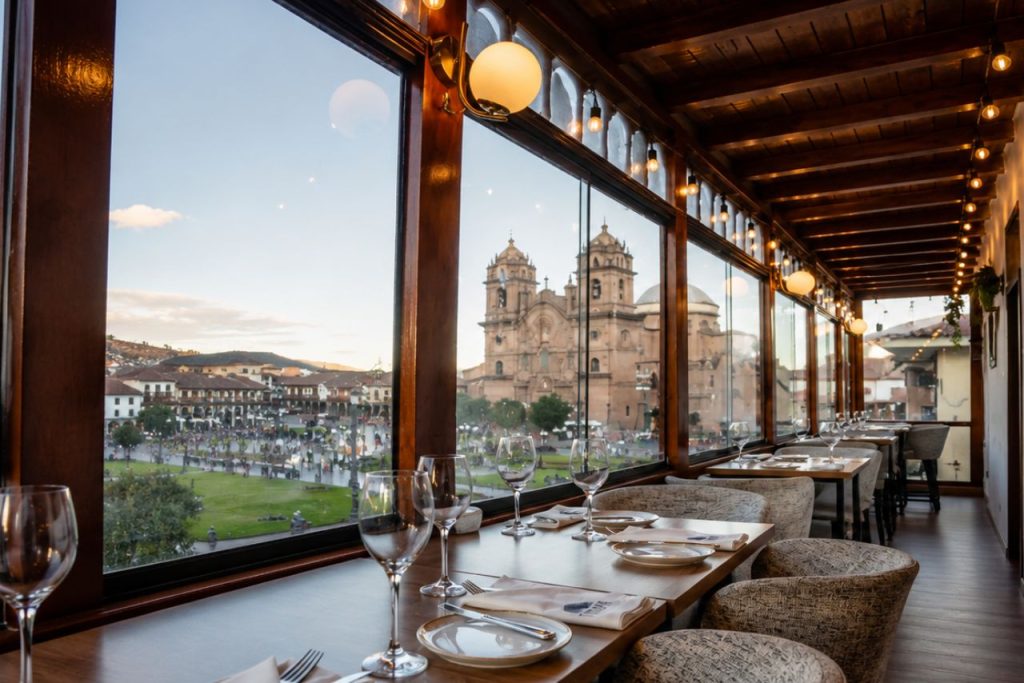
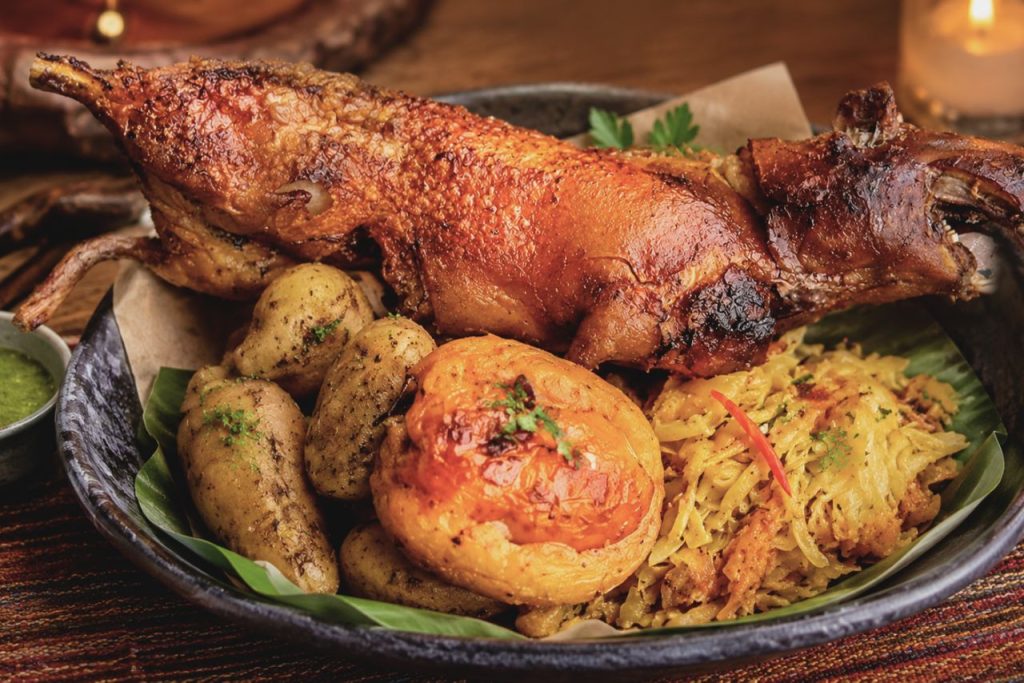
The Plaza de Armas is the obvious starting point for any visit to Cusco, and rightly so. Flanked by the Cathedral and the Iglesia de la Compañía de Jesús, it is one of the great public squares in the Americas. The Cathedral alone took nearly a century to build and contains a remarkable painting of the Last Supper in which the central dish on the table is a roasted guinea pig. Cusco does not apologise for its own culture, even in its most sacred spaces.
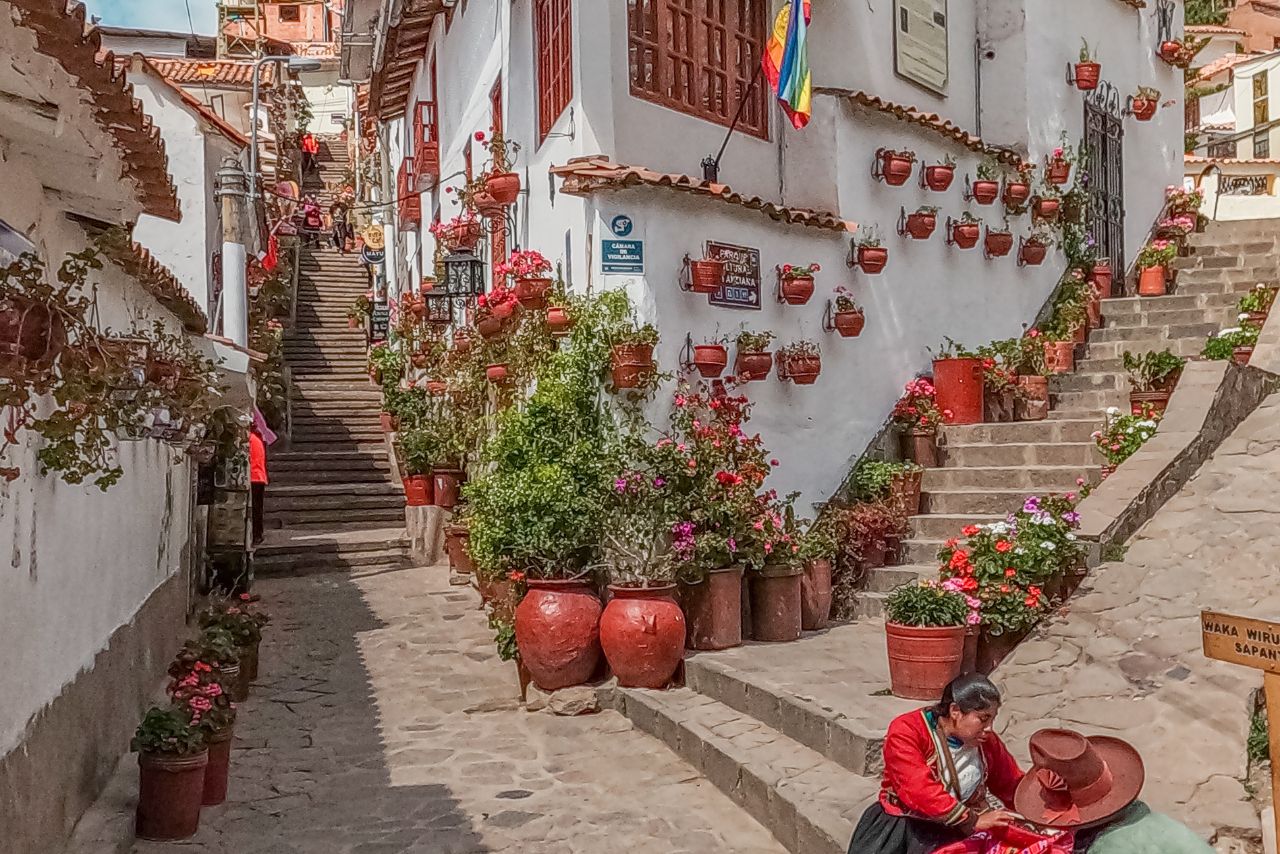
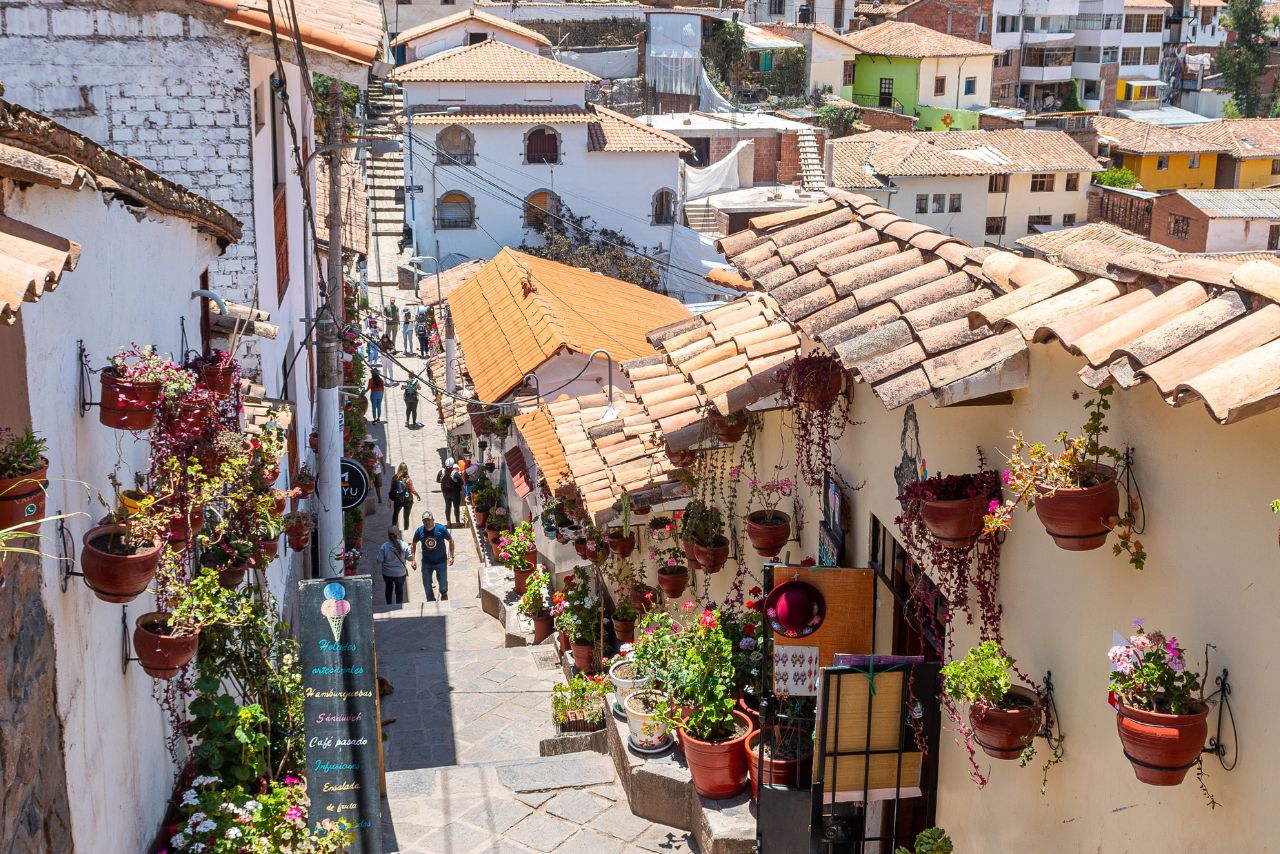
But the real Cusco is in the neighborhoods that branch away from the square. San Blas, the artisan district that climbs the hillside east of the Plaza, is where the city reveals itself most honestly. Narrow cobblestone callejones. Workshops where woodcarvers and weavers have operated for generations. The occasional courtyard that opens unexpectedly into something spectacular. San Blas in Cusco is the kind of neighbourhood that rewards the unhurried.
Qorikancha, the Temple of the Sun, is the most important site in the city that does not receive the attention it deserves. It was the spiritual centre of the entire Inca Empire, its walls once sheathed in gold, housing a great solar disc that reflected sunlight during the solstice into the inner sanctum where the Inca himself would sit. The Spanish built the church of Santo Domingo directly over it. What remains of the original Inca structure is some of the finest stonework in Peru, and it is worth a long, quiet visit.
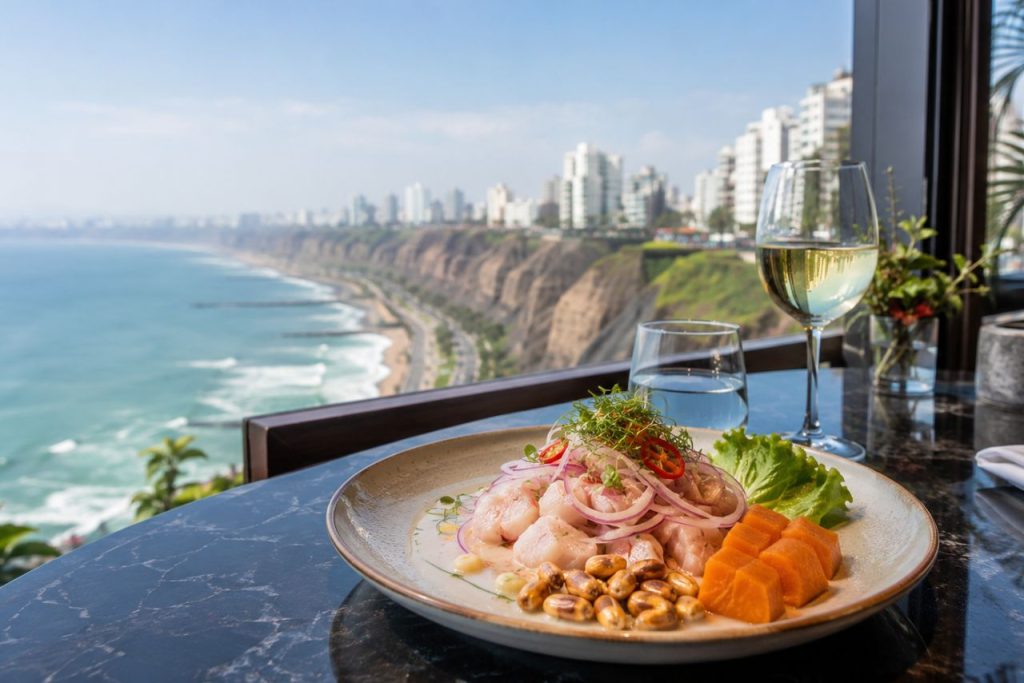
Cusco’s food scene has grown considerably in recent years, and it now offers some of the most interesting eating in the country outside of Lima. The city’s altitude and proximity to the Sacred Valley mean that the produce arriving in Cusco’s markets is extraordinary.
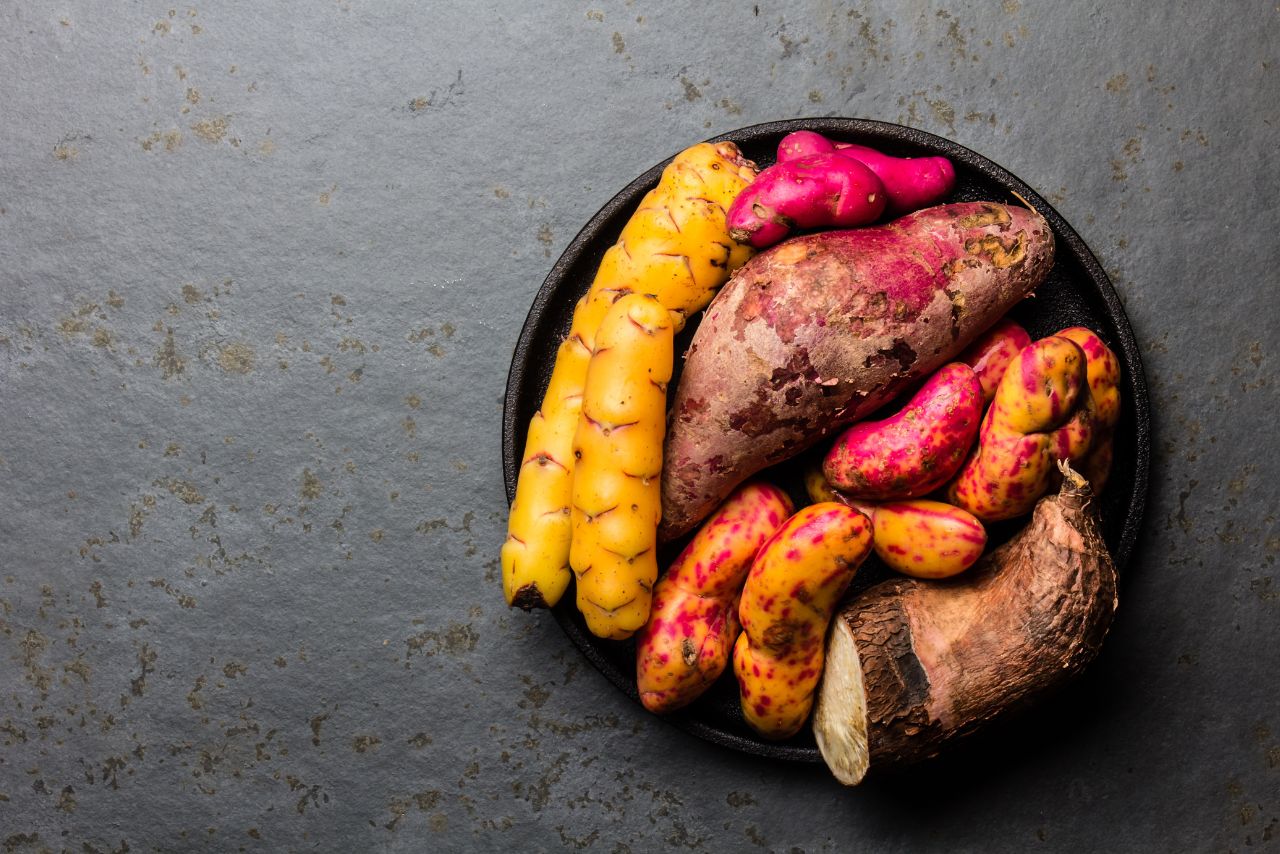
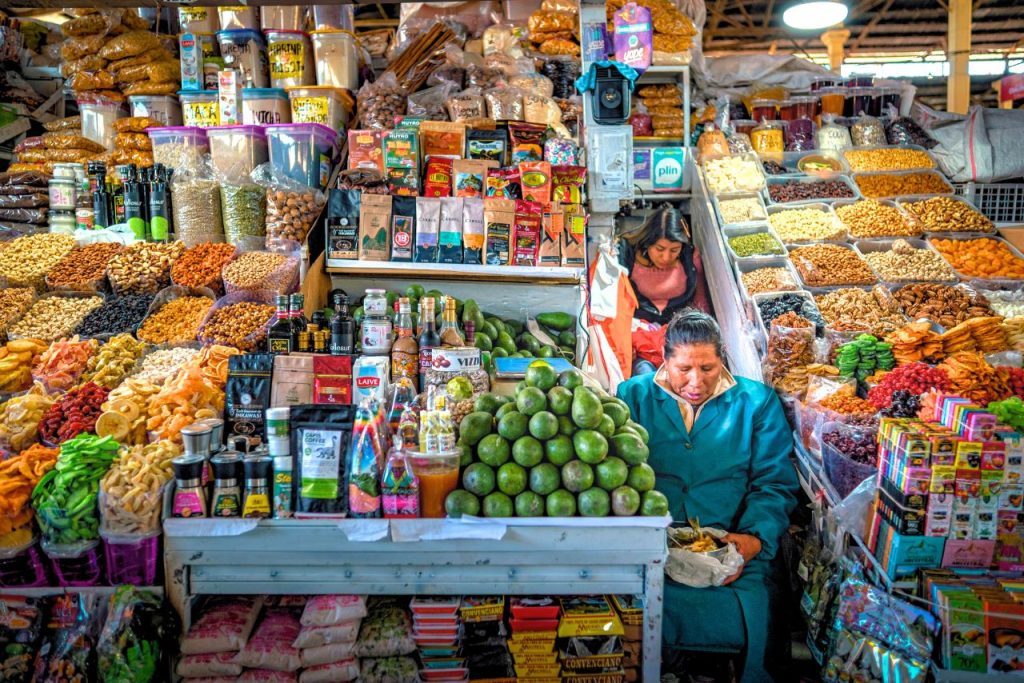
There are over 3,000 varieties of potato grown in Peru, and the markets of Cusco sell varieties that simply do not exist elsewhere. Andean grains, highland herbs, mountain cheeses, and freshwater trout from the rivers of the Sacred Valley all feature in a local cuisine that is only beginning to receive the international attention it deserves.
San Pedro Market is the most vivid introduction to this. A cavernous market hall a short walk from the Plaza de Armas, it is where local Cusco families shop, where juice vendors blend things you will not find on any menu, and where the cooking smells alone are worth the visit.
For pisco, Cusco is not the natural home that belongs to the coastal valleys of Ica and Arequipa, but the pisco sour has become as central to the Cusco experience as the ruins. A well-made one, in a quiet courtyard as the afternoon light begins to change, is one of the more civilised pleasures the city offers.
The standard itinerary gives Cusco two nights. This is not enough.
The minimum for a genuine understanding of Cusco is four days in the city itself, separate from any time spent in the Sacred Valley or at Machu Picchu. Four days allows for the altitude acclimatisation that the body genuinely requires; Cusco sits at 3,400 metres, and the first day is best spent moving slowly, drinking coca tea, and letting the mountain make its adjustments.
It also allows time to move at the pace the city rewards. A morning at Qorikancha, an afternoon in San Blas, a long lunch that extends past any reasonable hour. An evening walk along Hatun Rumiyoc when the tour groups have gone and the light is doing something remarkable to the stonework.
The travelers who leave Cusco having truly experienced it are invariably the ones who did not rush.
The Best Time to Visit Cusco, Peru
Cusco has two distinct seasons. The dry season runs from May to October, with clear skies, crisp nights, and the best conditions for trekking. June, July, and August are the most popular months, coinciding with Inti Raymi, the Festival of the Sun, celebrated on June 24th with ceremonies at Sacsayhuaman that draw visitors from around the world.
The wet season runs from November to April. Rain is common, particularly in January and February, but it comes in short, intense episodes rather than sustained grey days. The landscape is extraordinarily green during these months, the crowds are thinner, and Cusco Peru has a particular quality of light in the rainy season that photographers return for specifically.
April, May, September, and October are the shoulder months. They are warm enough, uncrowded enough, and arguably the most pleasant time to visit for those who want Cusco without the peak season intensity.
What to Know Before You Arrive in Cusco Peru
The altitude is the first thing. Cusco sits at 3,400 metres and the body needs time to adjust. Most guests experience some mild symptoms such as headache, breathlessness, and fatigue in the first 24 to 48 hours. The remedy is simple: slow down, drink water, accept the coca tea that every good hotel provides, and do not plan strenuous activities on the first day.
The cold is the second thing. Days in Cusco Peru are warm and often sunny, but the temperature drops sharply after dark. Evenings require layers regardless of the season.
The third thing, and the most important, is that Cusco rewards curiosity. The city yields its best to those who wander without a fixed agenda, who ask their guide where they actually eat lunch rather than which restaurant is rated highest, and who linger in doorways and courtyards and let the place arrive at its own pace.
Cusco does not announce itself. It simply becomes the place you keep thinking about.
If Cusco has stirred something in you, allow us to build a journey around it. Private, unhurried and shaped entirely around your curiosity, from the first cobblestone to the last thing your guide tells you that you will not find in any guidebook.