Across the Peruvian Andes, food begins with altitude. Potatoes are planted in soils cultivated for generations. Corn dries beneath the mountain sun. Quinoa, herbs and native peppers move from fields and markets into kitchens where recipes carry the memory of family, community and place.
Andean cuisine is a living tradition, shaped by one of the world’s most demanding landscapes and by people who learned how to cultivate, preserve and share food across extraordinary distances. Pachamanca cooked beneath the earth, chuño prepared through the freezing nights of the highlands, and regional dishes served across Cusco, Arequipa, Puno and Huaraz reveal a culinary culture built on ingenuity as much as flavor.
Traveling through the Andes with an eye to its food is to understand the region in a different way. Every ingredient has an altitude, a season and a story. Every table offers a closer encounter with the knowledge that has sustained Andean communities for centuries.
The Historical Context of Andean Cuisine

Long before the arrival of the Spanish conquistadors, the origins of Andean cuisine are shrouded in mystery. The indigenous tribes of the Andes were masters at exploiting their harsh and rugged environment’s bounty. They cultivated a wide range of crops, such as potatoes, maize, and quinoa, and raised meat animals such as llamas and guinea pigs.
The Inca civilization ruled the Andes from the 13th century until the late 16th century. They used advanced farming methods that let them grow a wide range of crops in the area’s different ecosystems. On terraced fields, they grew potatoes, corn, quinoa, and many other crops. They also raised llamas and guinea pigs for meat. These dishes are still very important to the food of the Andes.
When the Spanish came to the Andes in the 16th century, they brought new ingredients and ways to cook them. The Spanish brought beef, chicken, citrus fruits, and sugarcane with them from Europe. Over time, these ingredients became a part of the local cuisine.
The landscape of the Andes, which goes from flat coastal plains to high mountains, has also had a big impact on its food. There is a lot of seafood along the coast, and the high-altitude Andean plains (the Altiplano) have a variety of tubers, grains, and livestock that are only found there.
In the past few years, chefs and food lovers have become more interested in traditional Andean food because of its rich culinary history and the health benefits of its ingredients.
Today, Andean cuisine is going through a renaissance. Chefs in Peru and around the world are rediscovering the culinary treasures of the Andes and using them to make dishes that are as delicious as they are unique.
How the Andes Shaped the Andean Table
Andean cuisine was formed by elevation, climate and an intimate understanding of the land. Across the mountains, dramatic changes in altitude create different growing conditions within relatively short distances. Crops that flourish in one valley may struggle a few hundred metres higher, while other varieties have adapted specifically to frost, thin air and intense sunlight.
Over generations, Andean communities learned which potatoes, grains, herbs and animals could thrive at each elevation. Agricultural terraces helped create usable farmland on steep mountain slopes, while irrigation systems directed water through otherwise challenging terrain. This knowledge made it possible to cultivate an extraordinary diversity of ingredients across the region.
The landscape also shaped the ways food was prepared and preserved. Strong daytime sunlight, cold nights and dry mountain air allowed communities to dehydrate potatoes and meat, creating foods that could be stored for long periods and carried across considerable distances.
Andean cuisine did not develop despite the landscape. It developed through a profound understanding of it.
The Unique Ingredients in Andean Cuisine
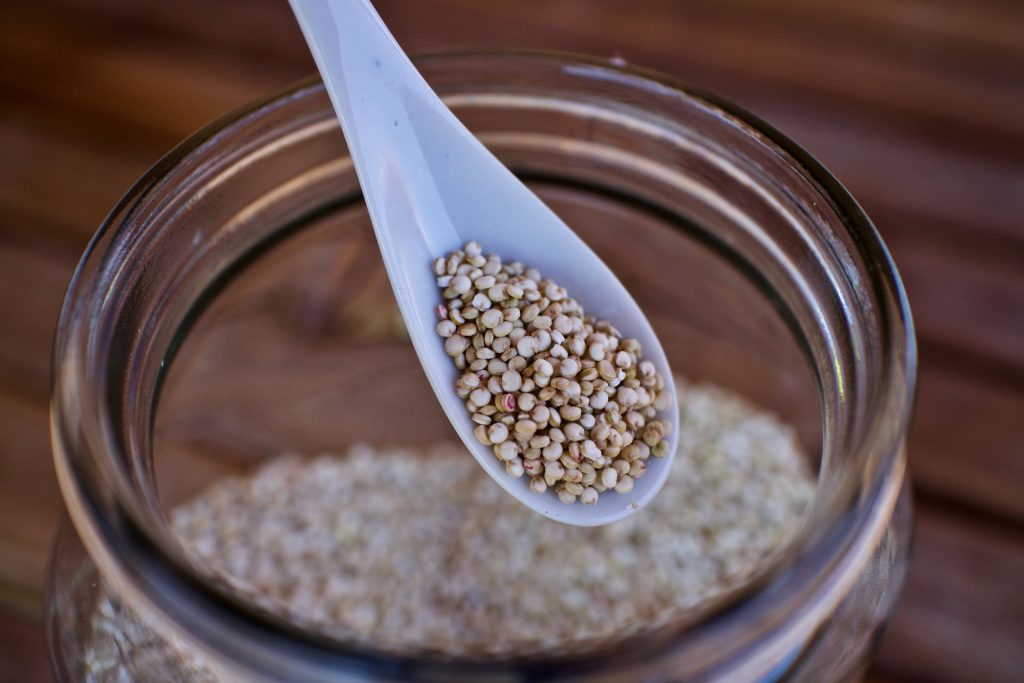
The best way to understand Andean food is to look at what goes into it. Due to its varied climate and geography, the Andean region is home to a wide range of crops. Particularly the mountainous terrain has given rise to a variety of crops that are rarely found elsewhere.
Over 3,000 varieties of potatoes, from colorful native potatoes to white and sweet potatoes, are native to the Andes and contribute to the region’s food security.
Quinoa, known as the “mother grain” by the Incas, is another Andean staple. Quinoa is used in everything from soups and stews to desserts and is considered a superfood.
Corn, or maize, with its large, flavorful kernels and diverse color palette, is another Andean staple. It is used in traditional dishes like tamales and humitas, fermented to make chicha, a corn beer, and boiled to make choclo, a snack.
Many Andean dishes use aji peppers for flavor and heat. Among the varieties are aji amarillo, with its fruity, medium heat, and rocoto, known for its intense spiciness.
Some Andean ingredients are unfamiliar to the global palate but essential. Cuy—guinea pig—is a delicacy, and is reserved for special occasions.
Peru produces some of the world’s best cacao. This premium cacao gives Andean desserts their distinctive flavor.
Lucuma, a subtropical fruit from the Andes, tastes like custard. This “gold of the Incas” is popular in Peruvian desserts and ice cream.
Finally, maca, also known as Peruvian ginseng, is a root vegetable grown in the Andes and used as a powder in smoothies, desserts, and supplements for its medicinal properties.
But it is not just about crops. The Andean region is also well-known for its meat, especially llama and guinea pig meat. Their meat is an essential ingredient in numerous traditional Andean dishes.
Chuño: The Andean Preservation Method That Sustained the Inca Empire

A recent archaeological discovery has offered rare physical evidence of how deeply food preservation was woven into the Inca world. During excavations at Tambo Viejo, an Inca provincial centre in the Acarí Valley on Peru’s southern coast, archaeologists uncovered two pieces of chuño, or freeze-dried potato, inside a ceramic vessel set into the floor of a small storage room.
The discovery is remarkable not because chuño is unfamiliar. It remains an important part of Andean cooking today. What is rare is for such a fragile food to survive within an archaeological site. The approximately 500-year-old samples date to the Inca period, and their presence far from the highlands provides tangible evidence of the networks that once moved food across the empire.
Chuño can be produced only in the cold, dry conditions of the high Andes. Potatoes are exposed to freezing nights and strong daytime sun, traditionally over repeated cycles, until most of their moisture has been removed. This transforms a highly perishable crop into a light, durable ingredient that can be stored for years.
From the mountains, chuño could be transported by llama caravan along the Inca road network to provincial centres, workforces and state-controlled storage facilities across very different landscapes. Its long shelf life made it an essential reserve, helping communities and administrators prepare for poor harvests, support large projects and move provisions over considerable distances.
At Tambo Viejo, the exceptionally arid coastal climate preserved what would ordinarily have disappeared. These two potatoes now tell a much larger story. Andean cuisine has always been shaped by environmental knowledge, careful observation and an ability to plan beyond a single harvest. Chuño was more than a preserved ingredient. It formed part of the food system that helped sustain the Inca Empire and remains a living expression of Andean knowledge today.
The Cultural Significance of Andean Cuisine
Andean food is about more than just the food; it is also about the culture and traditions that surround it. Food is a very important part of Andean culture, and making and eating it is tied to many rituals and ceremonies.
In the Andes, for example, the potato is not only a staple food but also a sign of fertility and plenty. In the same way, the guinea pig is not just a source of meat; it is also a ritual animal that is often killed in religious ceremonies to ensure a good harvest.
These traditions are not just relics from the past; they are still very much alive today in the Andean region. Food is more than just fuel for the native people of the Andes. It is also a way for them to connect with their ancestors, their gods, and their land.
Unique Cooking Techniques in Andean Cuisine
Andean food is about more than just the ingredients; it is also about how they are cooked. The indigenous people of the Andes have created a variety of distinctive cooking methods, many of which are still in use today.
The pachamanca, a traditional method of cooking meat and vegetables in a pit oven, is one of the most recognizable. This pre-Columbian cooking method involves layering meat, vegetables, and herbs in a pit, which is then covered with hot stones and earth and cooked for several hours. The end result is a feast of succulent, smoky, and extraordinarily flavorful food.
The use of the huatia, an improvised oven made from adobe bricks, is another distinctive method. This oven is used to bake potatoes, which are subsequently served with an assortment of salsas and dips.
Andean Beverages: Beyond Chicha
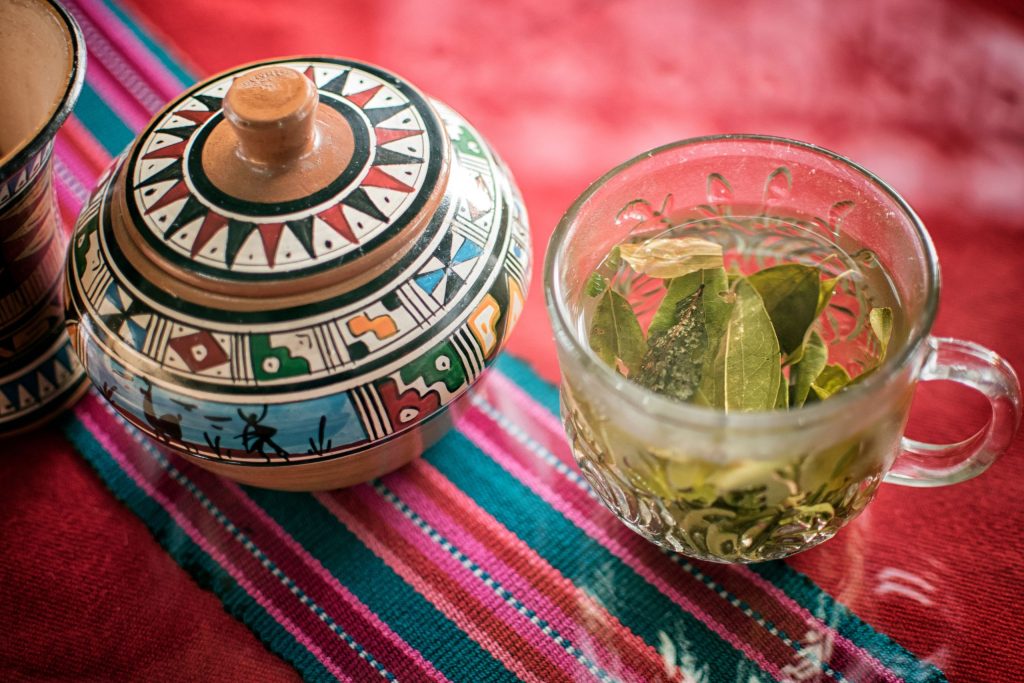
Chicha, the traditional corn beer, is not the only beverage available in the Andes. Mate de coca, a tea made from coca leaves, is one of the most popular beverages in the area. Not only is this tea delicious, but it also helps prevent altitude sickness, making it a favorite among both locals and visitors.
Additionally, there is quinoa beer, which is a relatively new addition to the Andean beverage scene. This beer, which is brewed with quinoa instead of malt, exemplifies the inventiveness of Andean cuisine.
Coffee too. Peruvian coffee, known for its rich flavor and aroma, grows well in the Andes’ high altitudes.
READ ALSO: Why Peruvian Coffee is the Best in the World
Andean Cuisine’s Impact on Global Gastronomy
Andean cuisine has a global impact. Chefs around the world are drawing inspiration from the Andes and using Andean ingredients and methods.
Due to its high protein content and nutty flavor, quinoa has become a staple in health-conscious diets worldwide. Andean potatoes are also making their way onto global tables, adding a new flavor and color to traditional potato dishes.
But it is more than ingredients. Andean cuisine’s emphasis on sustainability and respect for the land is also appealing to chefs and foodies worldwide. In a world of industrial farming and processed food, Andean cuisine is a refreshing and sustainable alternative.
READ MORE: A Luxury Cultural Tour of Peru
Where to Try Authentic Andean Cuisine in Peru

The best place to experience authentic Andean cuisine is, of course, in the Andes themselves. There, you can sample traditional dishes, witness ancient cooking techniques in action, and immerse yourself in the rich culture and history of the Andean people.
Cusco, the ancient Incan capital, is famous for its Andean cuisine. The bustling San Pedro Market is a great place to try local dishes like cuy (guinea pig) and chiriuchu, a cold platter of meats. Cicciolina and Pachapapa showcase Andean cuisine’s versatility and richness in upscale dining.
Arequipa, Peru’s “culinary capital,” blends traditional Andean ingredients with Spanish and other influences. The city’s picanterías serve a variety of Arequipeñan dishes. Visitors can try regional dishes like rocoto relleno, stuffed spicy peppers, and adobo arequipeño, a hearty pork stew.
The Sacred Valley near Cusco preserves Andean farming, ensuring the freshest ingredients for local dishes.
Pisac and Ollantaytambo’s markets and restaurants serve locally grown food. Visitors can try pachamanca, an indigenous cooking method that cooks food underground with heated stones.
Puno and Lake Titicaca‘s cuisine is heavily influenced by the lake. Local specialties include thimpu de trucha, a trout soup, and titi cuy, a guinea pig dish named after the lake.
Huaraz, in the Cordillera Blanca, serves hearty mountain food to residents and visitors. Here, you can find caldo de cabeza, a sheep’s head soup, and pachamanca huaracina, Huaraz’s underground-cooked feast.
Engaging with the local food culture in the Peruvian mountains will deepen your understanding of the region’s traditions and lifestyle and offer a flavorful and unique culinary journey. Peru’s diverse environments produce a variety of delicious dishes that reflect its people and land.
Experiencing Andean Cuisine Beyond the Restaurant
Some of the most meaningful encounters with Andean cuisine happen far beyond a formal dining room. They begin in local markets, agricultural fields, family kitchens and around tables where food is accompanied by stories of the land and the people who cultivate it.
A journey may include walking through a market with a culinary expert, learning to distinguish native potato varieties, meeting farmers in the Sacred Valley, or discovering how herbs, grains and tubers are selected and prepared. It may involve sharing a pachamanca cooked beneath the earth or sitting down to a meal in which each ingredient can be traced to a nearby field or community.
Contemporary restaurants also offer another way to understand this heritage. Across Peru, chefs are interpreting traditional Andean ingredients through modern techniques while maintaining a close relationship with their origins, producers and seasons.
For Enigma, discovering Andean cuisine is not simply about tasting a series of dishes. It is about understanding where the ingredients come from, meeting some of the people who preserve this knowledge and experiencing the generosity that surrounds the Peruvian table.
Our travel designers can incorporate private culinary encounters, market visits, farm experiences and thoughtfully selected restaurants into a journey designed around each traveler’s interests.
Build Your Private Culinary Journey in Peru
For travelers who want this culinary journey woven into a private itinerary, Enigma’s Gastronomy experiences open doors no guidebook can. Chefs’ private workshops, remote markets, and insider introductions all become part of the journey.
Let’s build a private culinary journey through Peru, from Lima’s most thoughtful tables to the regions where the ingredients begin for you.