If you want to understand Peru, start with lunch. While breakfast sets the tone for the day and dinner is often lighter, almuerzo is when families gather, menus fill with daily specials, and cevicherías come alive.
In Peru, lunch isn’t just a quick stop between meetings, it’s the main meal of the day, a moment to slow down, share food and enjoy what the country does best: flavour.
What Time Is Lunch in Peru?
Lunch in Peru usually starts around 12:00–1:00 pm and can run well into the mid-afternoon. Many office workers and shop owners:
- Take a proper break for almuerzo, sometimes closing small businesses or leaving signs that say “Volvemos” (we’ll be back).
- Either go home to eat with family or head to their favourite cevichería, chifa or menú spot.
Because lunch is the main meal, it often includes:
- A starter (soup, salad or a small cold dish like causa).
- A main course, often hearty and generous.
- Sometimes a dessert and a drink.
Dinner, by contrast, tends to be lighter or later, especially outside Lima’s fine-dining scene.
For more context on how the day starts, you can pair this guide with our Peruvian breakfast guide for a full picture of how Peruvians eat from morning through midday.
What Do Peruvians Typically Eat for Lunch?

Peru’s lunchtime options range from styled tasting menus to simple neighbourhood joints. If you want to “eat like a local,” these three types of places define the midday experience.
What do you eat at a cevichería?
Cevicherías are restaurants specialising in ceviche and seafood. For many Peruvians, ceviche is strictly a lunch dish:
- Fish is bought fresh early in the morning from local markets.
- The ceviche is prepared and served the same day, at lunchtime, when it’s at its freshest.
- Many traditional cevicherías close at dinner, or switch their menu once the fresh catch is gone.
At a cevichería, lunchtime favourites include:
- Ceviche: fresh fish “cooked” in lime juice with chilli, red onion and cilantro.
- Leche de tigre: the tangy ceviche marinade served in a glass as a revitalising shot.
- Arroz con mariscos: seafood rice.
- Jalea: crispy fried seafood served with lime and sauces.
If you see ceviche being served late at night in a simple restaurant (outside of Lima’s world-famous fine-dining spots), it’s often a sign that the fish isn’t at its best. When in doubt, follow locals to their lunchtime cevicherías. And if you want to go deeper, our ceviche guide is a perfect companion.
What is chifa and why is it so popular at lunch?
Chifa is Peru’s beloved Chinese–Peruvian cuisine, and chifa restaurants are everywhere. They began when Chinese immigrants brought soy sauce, ginger, scallions and wok cooking to Peru, then adapted them to local ingredients like potatoes, ají peppers and pineapple.
At lunchtime in a chifa, expect big, comforting plates, such as:
- Arroz chaufa is a dish that combines fried rice with vegetables, chicken, beef, pork, or seafood.
- Tallarín saltado are wok-fried noodles with vegetables and meat, similar to a noodle stir-fry.
- Aeropuerto is a generous mix of fried rice and noodles on one plate.
Chifa is loved because it’s:
- Hearty and filling
- Affordable
- Familiar yet distinctly Peruvian
It’s a perfect choice when you want something warm, generous and satisfying, especially on travel days or after a morning of sightseeing.
What is a menú joint and how does it work?
All over Peru, you’ll find small menú restaurants serving set lunches called menú del día. These are simple, local spots where many Peruvians eat on workdays.
A typical menú includes:
- Starter: often a soup, simple salad, causa rellena, papa a la huancaína or a small ceviche.
- Main course: choices might include:
- Lomo saltado (stir-fried beef with onions, tomatoes and fries)
- Milanesa (breaded meat or chicken cutlet)
- Ají de gallina (creamy shredded chicken in chilli sauce)
- Churrasco de res (grilled steak)
- Drink: often a simple fruit juice or a light, sweetened drink.
- Sometimes a small dessert.
Why locals love menú spots:
- They are very affordable compared with à la carte restaurants.
- Portions are generous.
- They offer a snapshot of everyday Peruvian home-style cooking.
Tip: choose busy places with plenty of local customers and full tables; empty menú joints at peak lunch hour are usually best avoided.
What Is Menú del Día And How Do You Order It?
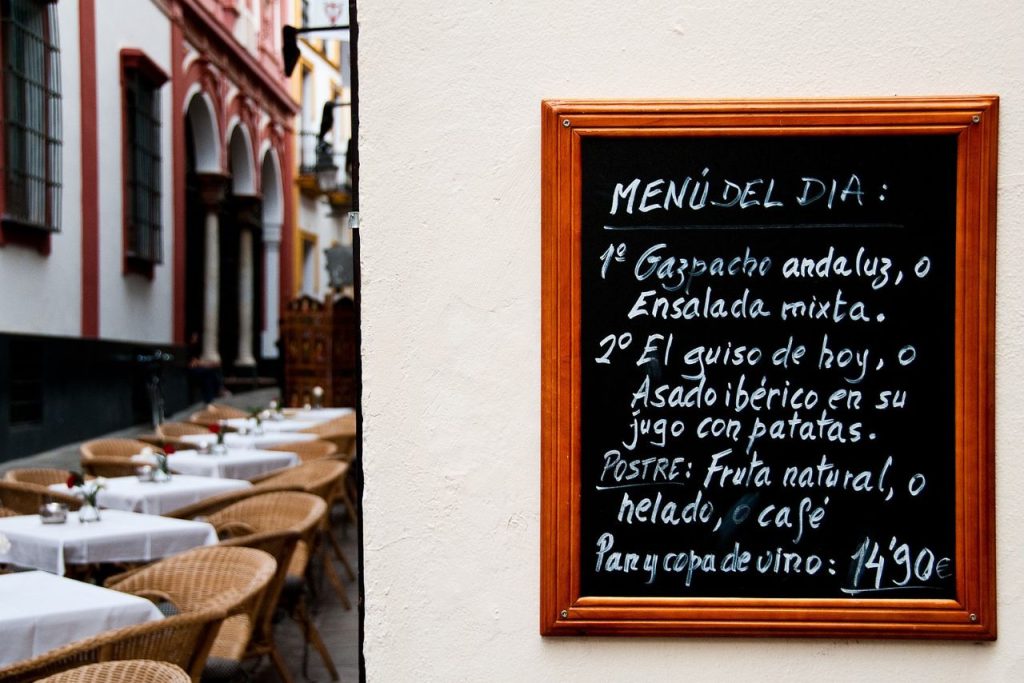
A menú del día is a fixed-price set lunch with a limited number of options. It’s designed to be quick, filling and good value for people on lunch breaks.
Here’s how it usually works:
- Look for the chalkboard or printed list outside or inside the restaurant with that day’s menú.
- You’ll see a choice of starters and mains, plus the included drink.
- Tell the server which starter and main you want:
- “De entrada, la sopa; de segundo, el lomo saltado, por favor.”
- The food arrives in sequence, often quite quickly, and your drink is included in the price.
Ordering the menú is a lovely way to:
- Try classic dishes without overthinking the menu.
- Eat what’s fresh and available that day.
- Sit among locals rather than in tourist-only spaces.
How Does Lunch Differ Between the Coast, Andes and Amazon?
Peru’s geography shapes its lunch plates. You’ll notice differences as you move from the coast to highlands to jungle.
What’s lunch like on the coast?
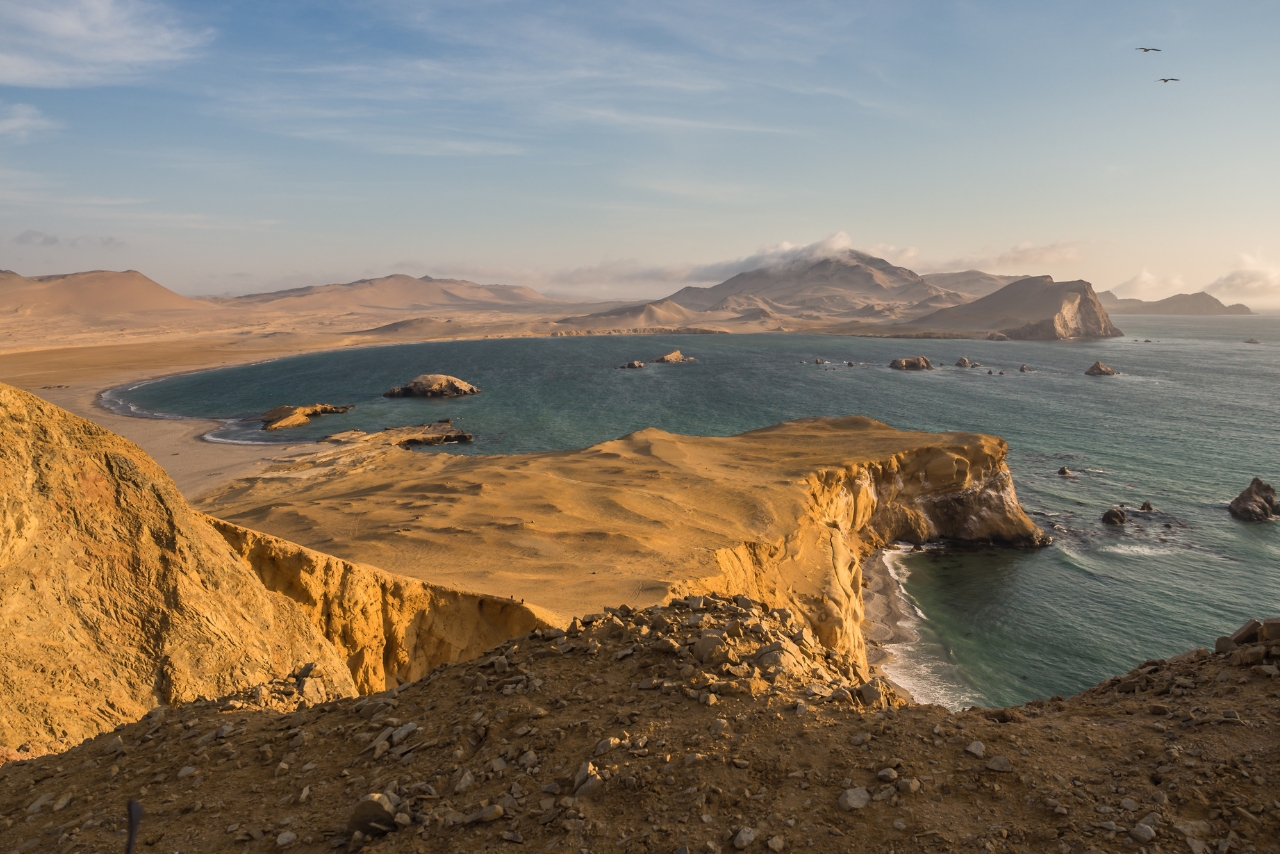
On the coast, especially in Lima, Paracas, Trujillo and northern beaches, lunch is all about the sea:
- Ceviche and tiradito (sliced raw fish in sauce) are midday stars.
- Seafood rice, stews and fried fish are everywhere.
- Chifa is common and often features seafood options.
Lunches here tend to feel lighter and citrusy, even when generous. This is where cevicherías shine, and where a midday pisco sour with ocean views feels exactly right.
What’s lunch like in the Andes?
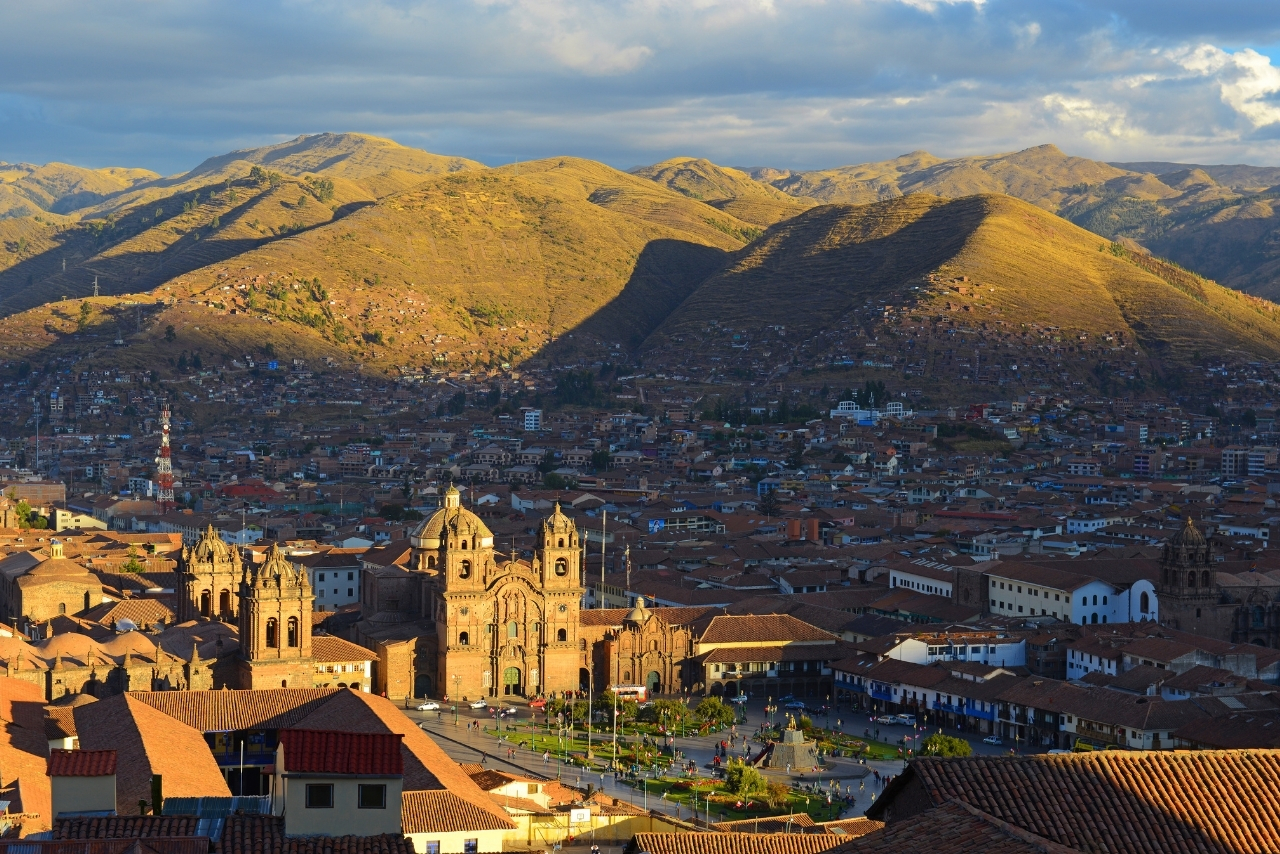
In the Andes, Cusco, the Sacred Valley, Lake Titicaca and beyond; lunches are more hearty and warming, shaped by altitude and cooler air:
- Soups are essential: caldo de pollo, quinoa soup, chupe and more.
- Potatoes, corn and grains such as quinoa and kiwicha are everywhere.
- Dishes often feature beef, pork, trout or alpaca, alongside stews and oven-baked specialties.
You’re more likely to see trout ceviche or Andean twists on coastal dishes here, rather than classic ocean fish. The menú in highland towns can be simple but deeply comforting, perfect after a morning at an archaeological site.
What’s lunch like in the Amazon?
In Amazonian regions such as Iquitos or Puerto Maldonado, lunch highlights the river and the forest:
- Fresh river fish, grilled or cooked in aromatic sauces.
- Dishes wrapped and steamed in bijao leaves, releasing herbaceous aromas.
- Exotic fruits, yuca (cassava), plantains and jungle herbs.
Lunch feels more tropical, fragrant, colorful and is often served in open-air spaces. If you’re staying at a jungle lodge, lunches are usually included and prepared with local ingredients, making the experience both culinary and cultural.
Where Can You Experience the Best Local Lunches?

If food is a central part of your journey, consider:
- Ceviche-focused lunches in Lima: Plan around a midday booking at a top cevichería, then explore the coast. (See our ceviche article for inspiration and etiquette.)
- Guided food tours: Well-designed food tours in Lima, Cusco or Arequipa often weave together markets, street snacks, menu lunches and sit-down tastings. They’re ideal if you want to try a lot, safely, in a short time.
- Lunches in family-run spots in the Sacred Valley: Many itineraries include lunches at haciendas, farm-to-table projects or community restaurants, where you taste regional dishes prepared with local produce.
- Pairing lunch with breakfast and dinner: For a complete picture of Peruvian gastronomy, start with our breakfast guide, follow with this lunch guide, then let your Travel Designer suggest memorable dining options for the evenings.
If you’re traveling to Peru, you probably know that it is the gastronomic capital of South America. You’re probably trying to indulge and eat out as much as you can because of this. With so many outstanding upscale options available in Lima and other parts of the county, choosing a place to eat can be challenging.
But if you’re looking for a truly authentic Peruvian experience, sitting down at a cevichería, chifa restaurant or menu joint and ordering a traditional plate for lunch is definitely the way to go.
FAQs: Lunch in Peru
Yes. For most Peruvians, especially outside very urban lifestyles, lunch (almuerzo) is the largest and most important meal of the day.
Typically between 12:00 and 2:30 pm, with many people starting around 1 pm.
Yes, though options vary by area. In cities you’ll find dedicated vegetarian and vegan restaurants, and even in traditional spots you can often get egg, cheese, vegetable and grain-based dishes. At menú joints, it helps to ask what vegetarian options they have that day.
In classic local culture, ceviche is only eaten at lunch. Some high-end restaurants in Lima serve ceviche at dinner, but in simple places it’s safer and more authentic to enjoy it midday.
Absolutely. Lunch in Peru is often a social, unhurried moment. Even in city restaurants, you’re rarely rushed away from your table; meals stretch naturally with conversation.