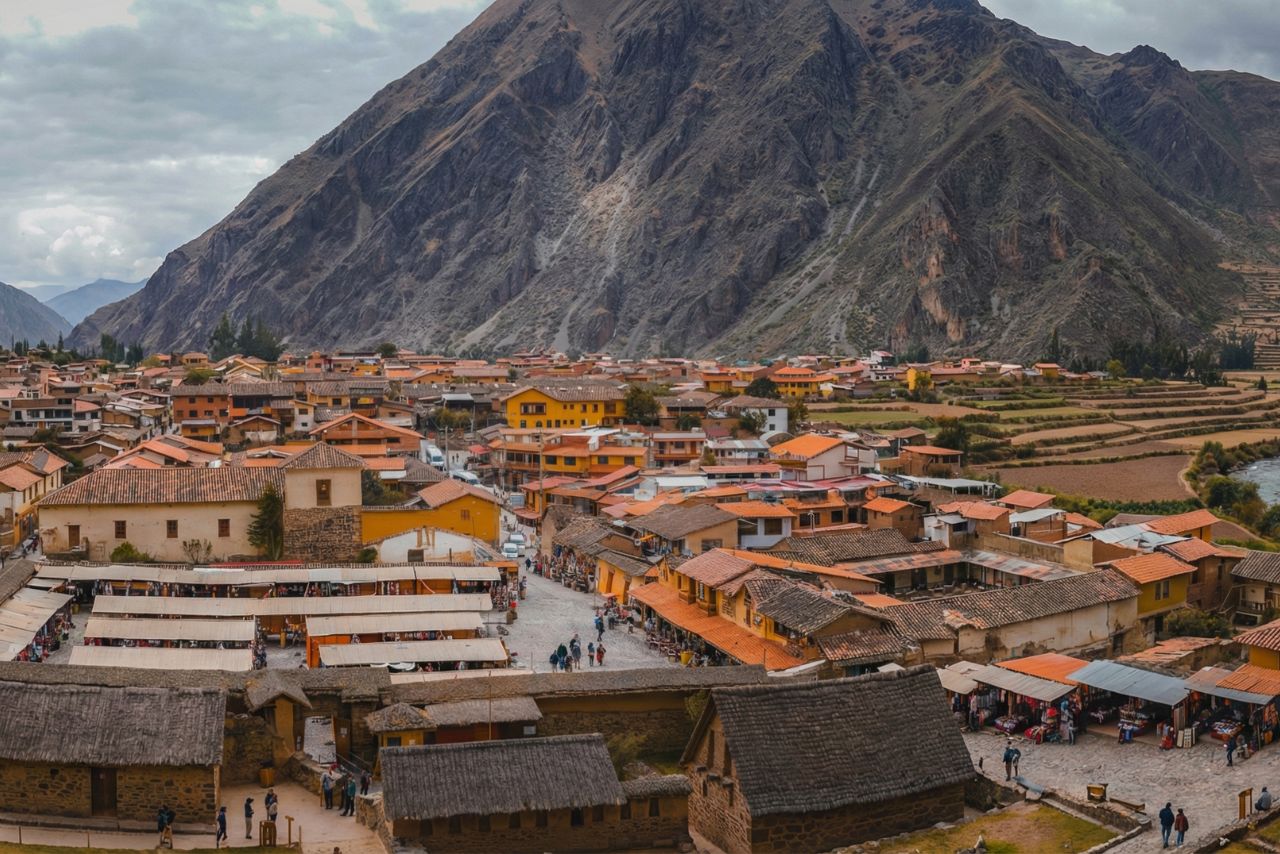
There are places in Peru that feel curated for visitors, and then there is Ollantaytambo, a town that continues to live much as it always has. Set at the western edge of the Sacred Valley, where the Urubamba River curves gently through the Andes, Ollantaytambo is not a reconstruction or a museum. It is a functioning Inca town, one where daily life unfolds against a backdrop of precision-cut stone, terraced mountainsides, and ancient pathways still used by locals today.
For travelers, Ollantaytambo offers something increasingly rare: immersion without spectacle. It is both monumental and intimate, powerful yet unassuming. Many pass through on their way to Machu Picchu. Few realize that lingering here, even briefly, can be one of the most quietly rewarding experiences in Peru.
Here’s a thoughtful guide to experiencing Ollantaytambo at a slower, more meaningful pace.
Key Takeaways: What to do and see in Ollantaytambo (at a glance)
- Explore the Ollantaytambo Fortress for epic terraces, Temple of the Sun stonework, and valley views
- Wander the Inca old town (original street grid + flowing water channels) early morning or at dusk
- Climb to Pinkuylluna granaries for a quiet viewpoint over the town and fortress
- Visit the local market for textiles, small crafts, and everyday Sacred Valley life
- Slow down for a long lunch featuring Andean ingredients (trout, quinoa, seasonal produce)
- Stay overnight to experience Ollantaytambo after day visitors leave
- Use it as your Machu Picchu gateway thoughtfully (arrive earlier, leave later, avoid rushing)
Where’s Ollantaytambo Located in the Sacred Valley?

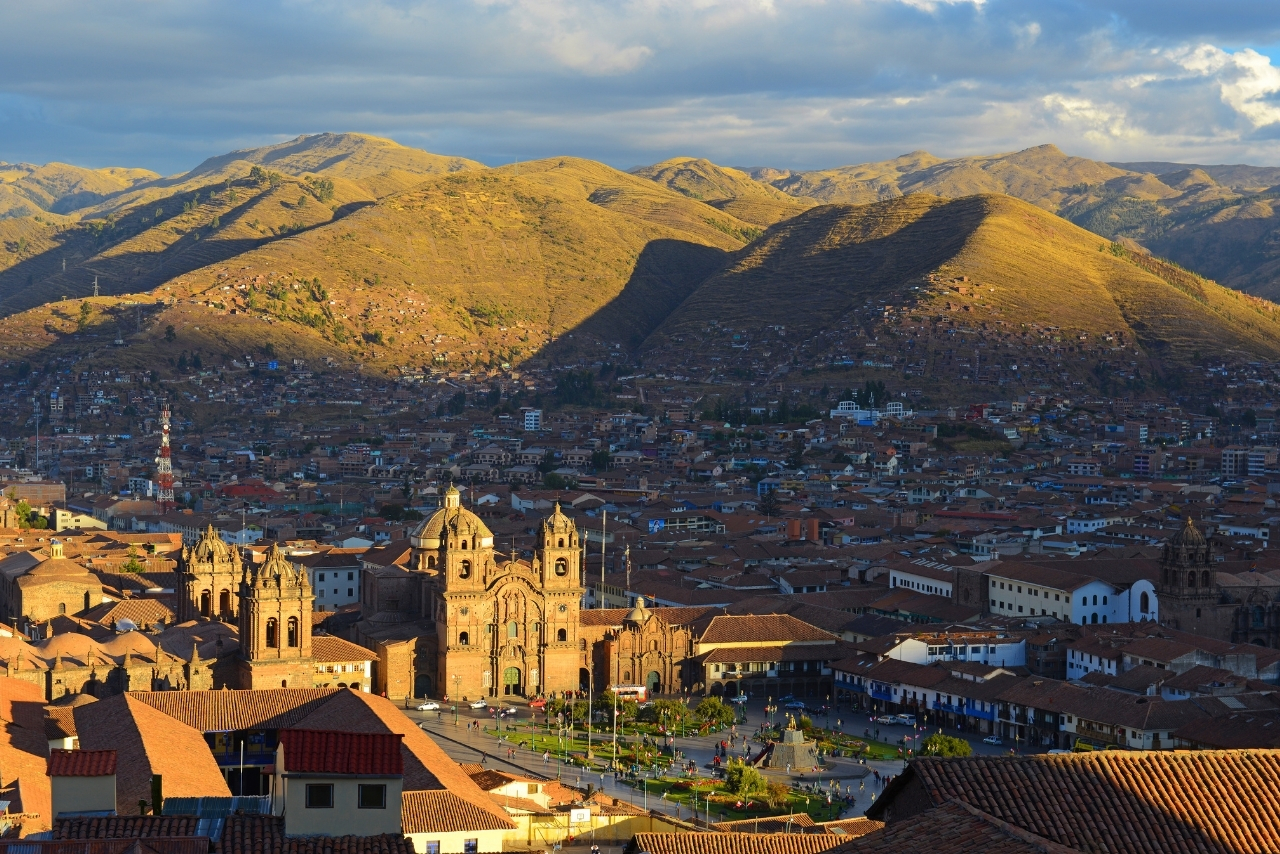
Ollantaytambo occupies a strategic position in the Sacred Valley of the Incas, once serving as a ceremonial center, royal estate, and military stronghold. Unlike many archaeological sites, the town below the fortress was never abandoned. Its original Inca street grid, irrigation channels, and residential compounds remain in use, making it one of the few places in the Andes where ancient urban planning continues to function as intended.
This continuity gives Ollantaytambo a distinct atmosphere. The past does not sit behind ropes or plaques; it hums quietly beneath your feet, in the sound of water moving through stone channels, in the rhythm of daily chores, in the way the mountains seem to watch over the town rather than dominate it.
Exploring the Ollantaytambo Fortress

Rising above the town is the Ollantaytambo Fortress, one of the most impressive surviving examples of Inca engineering. The climb itself is deliberate rather than difficult, a series of terraces that invite pauses, not just for breath, but for observation.
At the upper levels, massive stones fitted with near-impossible precision form what is often referred to as the Temple of the Sun. Some blocks were quarried from across the valley, transported without wheels or draft animals, and set into place with astonishing accuracy. Standing here, it becomes clear that the temple was never meant to overwhelm through size alone. Its power lies in intention, alignment, and mastery of material.
From the top, the view opens across the Sacred Valley, revealing why this location was chosen. The convergence of rivers, mountains, and agricultural terraces tells a story of balance between human ambition and environmental respect.
READ ALSO: The Mysteries of Ollantaytambo: A Look into Peru’s Incan Past
Walking the Old Town: Inca Streets Still in Use

Below the ruins, Ollantaytambo’s historic quarter is best explored on foot, without direction. Narrow cobblestone streets follow the original Inca layout, intersected by water channels that continue to carry glacial runoff through the town.
Early morning and dusk are particularly evocative. As day visitors depart, the town softens. Doors open, conversations drift into the streets, and the rhythm of local life becomes more perceptible. This is not a place for hurried sightseeing. It rewards curiosity and stillness.
Pause at small plazas, notice the way stone foundations support colonial-era homes above them, and let yourself get gently lost. The experience is less about landmarks and more about atmosphere, a sense of continuity that few destinations can offer.
Pinkuylluna Granaries: A Quiet Climb Above the Town

For a different perspective, cross the river and climb to the Pinkuylluna. These ancient storehouses once safeguarded food supplies for the valley, built high on the mountainside to take advantage of natural ventilation.
The ascent is short but steep, and the reward is profound. From here, Ollantaytambo appears in perfect proportion, with the grid of the town below, the fortress rising opposite, and the river threading everything together. It is one of the best places to appreciate the coherence of Inca planning and one of the quietest.
Come late in the afternoon, when the light softens and the valley settles. This is a place for reflection rather than photography, though the views linger long after you descend.
Markets, Textiles, and Local Craft

Ollantaytambo’s market culture is understated, favoring authenticity over performance. Small stalls sell woven textiles, hand-spun wool, and everyday goods rather than mass-produced souvenirs. Conversations matter here. Ask about patterns, materials, and origins, and you’ll often hear family stories woven into the answers.
Nearby communities continue traditional weaving techniques passed down through generations. While workshops exist, the most meaningful encounters tend to be informal: a loom set up in a courtyard, a demonstration offered spontaneously rather than scheduled.
Supporting these artisans feels less like shopping and more like participation in a living tradition.
Where to Stay in Ollantaytambo
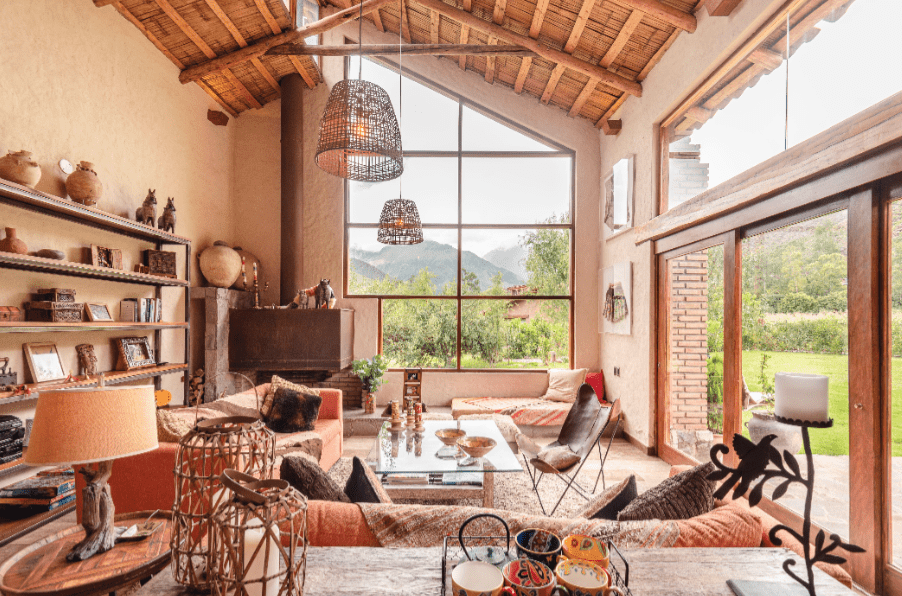
Ollantaytambo offers a small selection of refined lodgings that prioritize serenity and connection to place. Properties tend to be discreet rather than grand, blending into their surroundings with natural materials and open spaces.
Staying overnight allows you to experience the town at its most authentic, before the first trains arrive and after the last day-trippers depart. Mornings are crisp and quiet, evenings contemplative. It is during these hours that Ollantaytambo reveals its true character.
Using Ollantaytambo as a Gateway to Machu Picchu
Many travelers encounter Ollantaytambo as the departure point for trains to Machu Picchu, but seeing it only as a transit stop does the town a disservice. Consider it instead as a threshold, a place to acclimatize, to slow down, and to attune yourself to the rhythms of the Andes before continuing onwards.
Those who arrive from Cusco often notice an immediate shift in energy. The altitude softens, the landscape opens, and time seems to stretch rather than compress.
Why Ollantaytambo Stays With You
Ollantaytambo does not compete for attention. It does not ask to be photographed endlessly or explained exhaustively. Its appeal is quieter and more enduring.
Long after leaving, travelers often remember the sound of water in stone channels, the weight of ancient walls warmed by afternoon sun, and the sense of being somewhere that has endured without needing to adapt itself for approval.
In a country rich with spectacle, Ollantaytambo offers something rarer still: coherence, continuity, and calm. It is not simply a place to visit but a place to experience slowly, attentively, and with respect for the lives that continue to unfold within it.
If Peru has a heart that beats softly rather than loudly, it beats here.
Want to experience Ollantaytambo beyond the “quick stop” on the way to Machu Picchu? Ready to plan a Sacred Valley stay with the right pacing: fortress at golden hour, quiet streets after the crowds, and a seamless onward journey? Start planning.
FAQs: Ollantaytambo, Peru
Yes, especially if you stay overnight. Ollantaytambo offers a rare mix of monumental Inca ruins and a living Inca town. It’s one of the few places where the past still functions as part of daily life, not just history.
A half-day works for the fortress only, but 1 night (or 2) is ideal to explore the town, do Pinkuylluna, and enjoy the quieter hours when the day crowds are gone.
The Pinkuylluna granary viewpoint and a slow walk through the old town streets and canals. Together, they give you the “big picture” and the intimate texture of the place.
Yes. You can keep it gentle: explore the town, enjoy long meals, shop small artisan stalls, and choose just one short climb (either the fortress or Pinkuylluna).
Early morning and late afternoon. The light is softer, the atmosphere feels calmer, and the town is at its most authentic once the day visitors thin out.
Absolutely. It’s a smart base if you want a quieter home point with strong access to the Sacred Valley while also being perfectly positioned for Machu Picchu logistics.
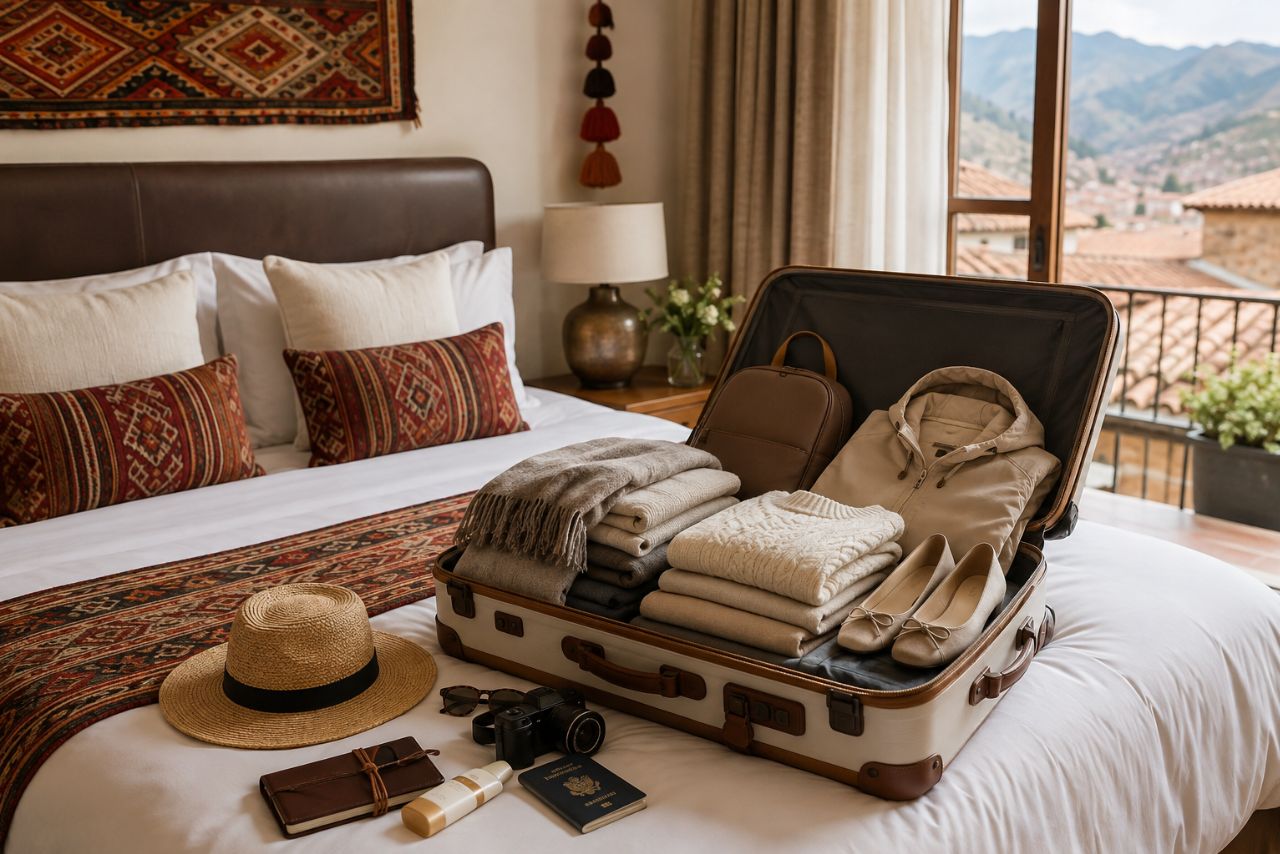
Neutral layers and good walking shoes. Mornings and evenings can feel cool, and the streets are cobbled. A light jacket and comfortable layers are usually enough.
Generally, yes, especially around the main streets and central areas. Like anywhere, keep it sensible: stay aware, avoid empty lanes late at night, and keep valuables discreet.