Every year, people all around the world celebrate the Easter holidays, and Peru is no exception.
Since the majority of the population is of Christian faith, it is no surprise that Easter, or Pascua in Spanish, is celebrated with tremendous energy and devotion.
Celebrations go on for between seven and ten days depending on which city you are in, making it one of the longest and most vibrant Easter observances in all of Latin America.
What Is Semana Santa (Holy Week) in Peru?

The week prior to Easter Sunday is a time of festivity and celebration to remember the death, burial, and resurrection of Jesus Christ. It is called Semana Santa, or Holy Week/Easter Week. It ends with a massive firework display and celebration at dawn on Easter Sunday.
Domingo de Ramos: How Does Peru Celebrate Palm Sunday?

First, celebrations begin with Domingo de Ramos, or Palm Sunday. This is the final Sunday before Easter and the beginning of the Holy Week. This day commemorates Christ’s entrance into Jerusalem.
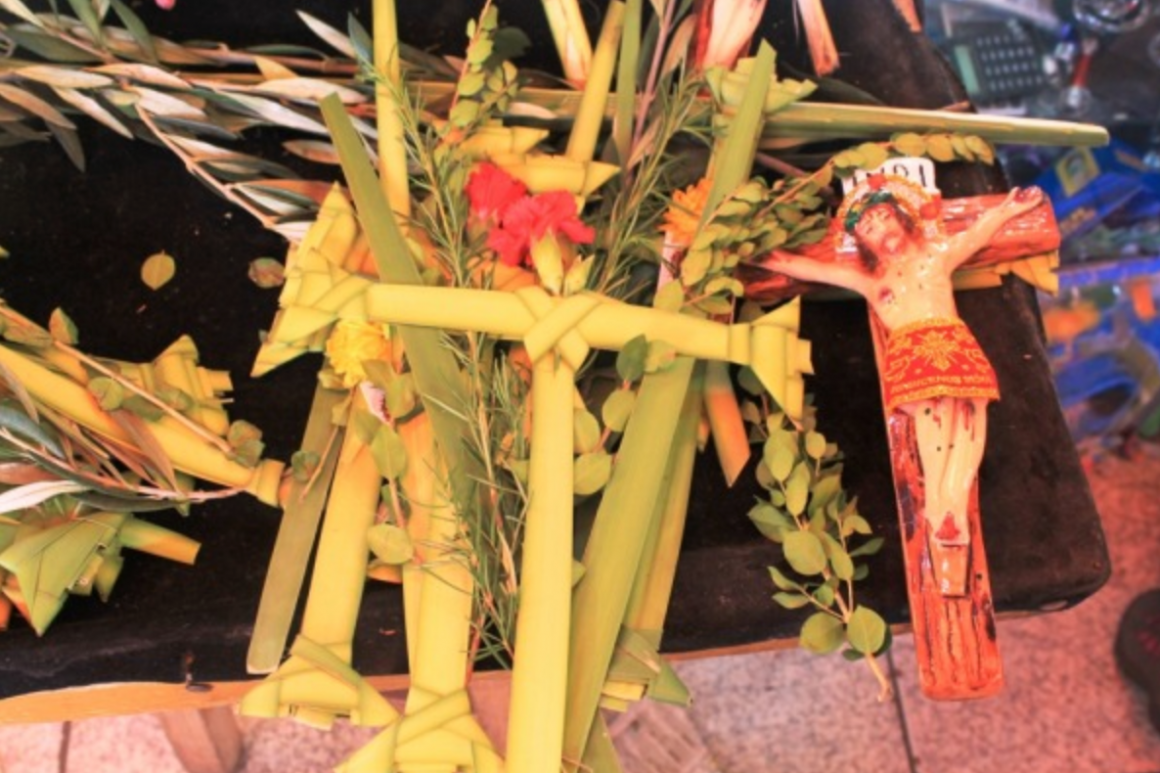
It is celebrated by many people going to mass with a cross made of palm leaves and, afterwards, blessing the doors around town as a sign of protection.
Jueves Santo: What Happens on Maundy Thursday in Peru?
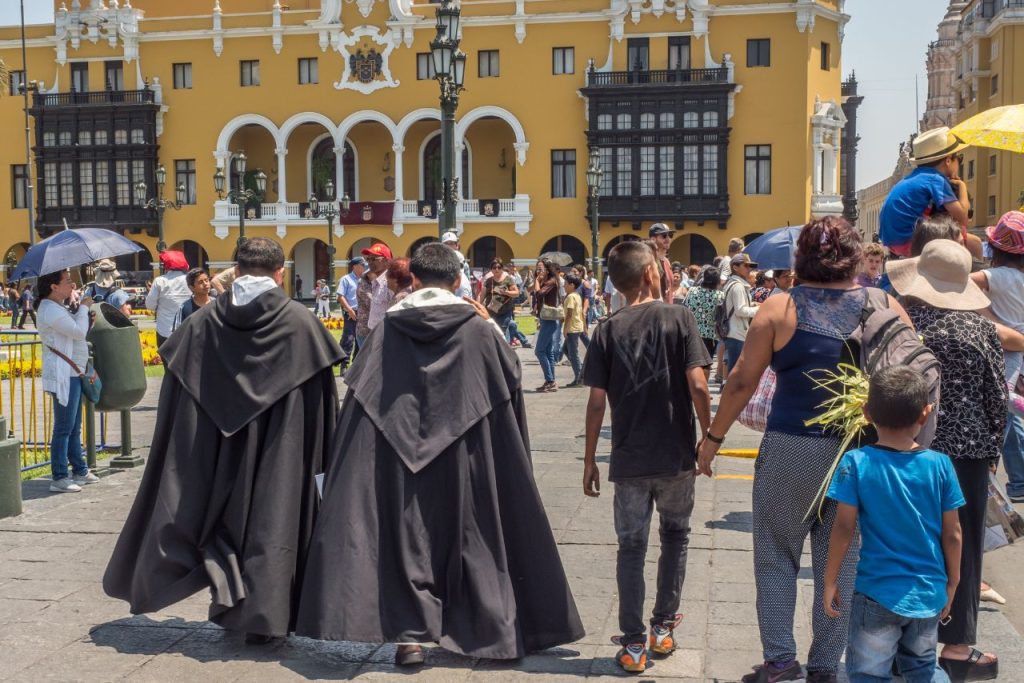
Then on Thursday comes Jueves Santo, or Maundy Thursday. The church priests wash the feet of the twelve elders, the maundy, commemorating the time Jesus washed the feet of the twelve apostles.
This is a day to remember the Last Supper, and people in Peru gather together for a feast of twelve local and traditional dishes in honour of Jesus’ last meal. It is also said that if you visit seven churches on this day, you can make a wish.
Find out more about the foods to try during this holiday and what Peruvians eat for easter!
Viernes Santo: How Is Good Friday Observed Across Peru?
The following day is Viernes Santo, or Good Friday. This day is much quieter in celebration as many people are mourning the death of Christ.
However, there are still solemn processions in many cities throughout the country, with statues and religious imagery carried through the streets.
Sábado de Gloria: What Is Holy Saturday in Peru?
Saturday is Sábado de Gloria, or the Holy Saturday, where people commemorate the burial of Christ in his tomb. Many churches also hold a candlelight vigil on this night to mourn the death of Jesus.
It is a day of reflection and quiet anticipation before the joyful celebrations of Easter Sunday.
Domingo de Resurrección: How Does Peru Celebrate Easter Sunday?
Easter Sunday, or Domingo de Resurrección, is the biggest day of celebration. It begins with fireworks displays, most of them starting at dawn, and features many parties and festivities happening all over the country.
Food, dancing, and parades take place all across Peru to celebrate the resurrection of Christ. Families gather for large meals and the streets come alive with colour, music, and joy.
What Traditional Foods Do Peruvians Eat During Easter?
Food plays a central role in Peru’s Easter celebrations. On Maundy Thursday, families prepare a feast of twelve traditional dishes to honour the twelve apostles.
Seafood is especially popular during Semana Santa, with dishes like ceviche, chupe de camarones (shrimp soup), and arroz con mariscos (seafood rice) taking centre stage.
Sweet treats such as mazamorra morada (purple corn pudding) and empanadas de viento are also common throughout the week.
READ ALSO: Peru Traditions, Holidays & Festivals: The Annual Calendar Travelers Should Know
Easter Celebrations in Major Peruvian Cities

Along with the nationwide festivities above, some cities in Peru celebrate the Holy Week with extra traditions and celebrations that are unique to each region.
Easter in Cusco: The Lord of the Earthquakes Procession
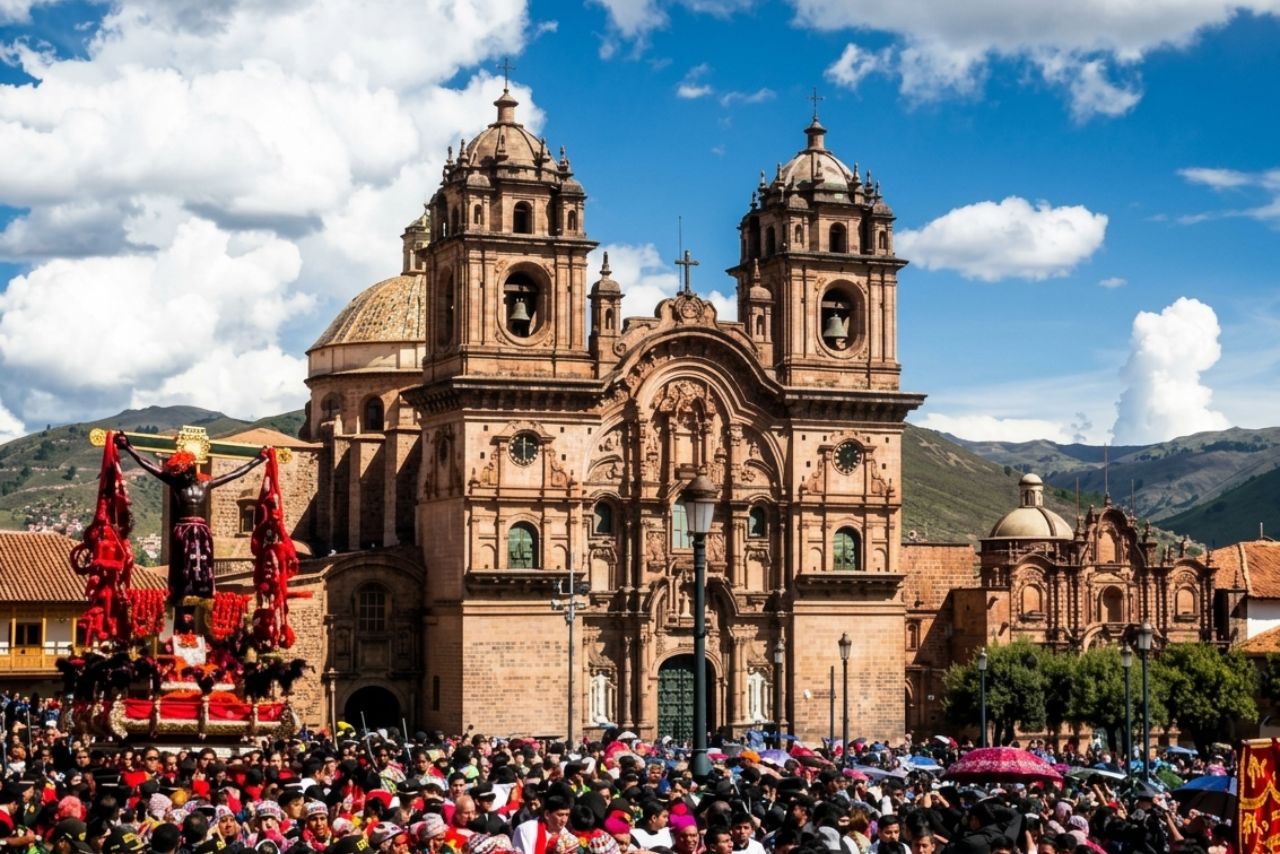
The day after Palm Sunday in Cusco is Lunes Santo, or Easter Monday. This is one of the most important days of celebration in Cusco during the Holy Week and features a grand procession for El Señor de los Temblores, Lord of the Earthquakes.
Legend has it that on May 31, 1650, a major earthquake hit Cusco, and when a statue of the crucified Jesus Christ was taken out of the church, the quakes suddenly stopped.
The procession starts at the Cusco Cathedral with the statue decorated in the red ñucchu flower, symbolising the blood of Christ, and winds its way to Plaza de Armas over the course of six hours.
Thousands of locals and visitors line the streets to witness this deeply moving event.
Easter in Ayacucho: Peru’s Best Semana Santa Celebration
The Easter celebrations in this central Peruvian city are considered the best in the country. The town even has a church for each year of Jesus’ life, 33 in total.
The Friday before Palm Sunday, celebrations begin with a play about when Christ met his mother. Then on Palm Sunday, mules and palms can be seen wandering around the city in celebration.
On Holy Saturday in Ayacucho, the city is brimming with open-air markets featuring music, food, and crafts for the whole city to participate in. Day celebrations turn into an all-night party that leads into the Easter Sunday festivities filled with music, dancing, and fireworks.
Easter in Arequipa: The Burning of Judas Tradition
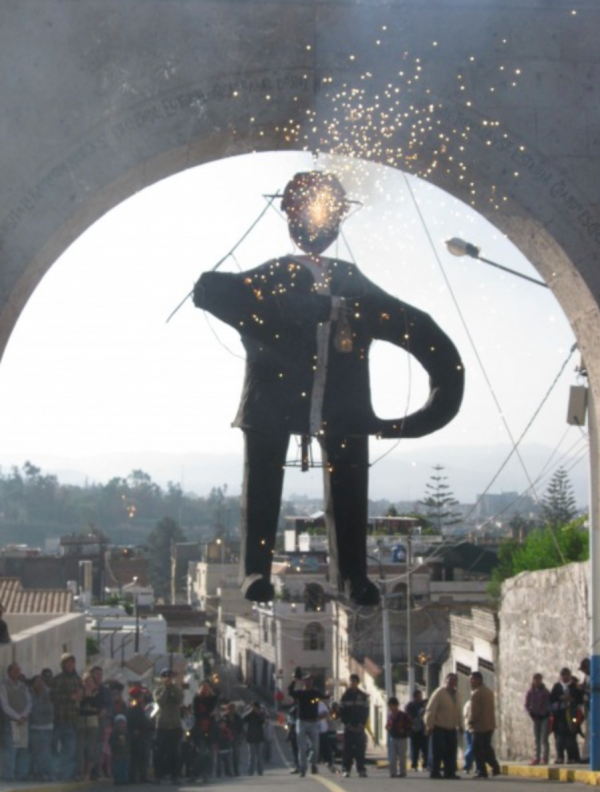
While many of the traditions in Arequipa remain the same as the rest of Peru, on Easter Sunday the people of this colonial city burn an effigy of Judas, symbolising how he betrayed Jesus and how he will be punished.
This takes place in the central square and after the burning, fireworks light up the sky in celebration. The event draws large crowds and is one of the most dramatic moments of Easter in Peru.
When Is the Best Time to Visit Peru for Easter?
Easter in Peru typically falls between late March and late April, depending on the liturgical calendar. The weather during this period varies by region.
In Cusco and the highlands, expect cool, dry days with chilly evenings. Arequipa enjoys mild, sunny weather, while Ayacucho is warm and pleasant.
It is a good idea to book accommodation and transport well in advance, as Semana Santa is one of the busiest travel periods in the country.
Essential Travel Tips for Semana Santa in Peru
Visitors planning a trip during Semana Santa should keep a few things in mind.
- Book hotels and internal flights early, as prices rise and availability drops quickly.
- Dress respectfully for processions and church visits. Carry cash in smaller cities where card payments may be limited.
- Learn a few Spanish phrases to connect with locals during the celebrations.
- And most importantly, be open to the experience, as the warmth and passion of Peru’s Easter traditions are something truly special.
READ ALSO: Peru Traditions, Holidays & Festivals: The Annual Calendar Travelers Should Know
Frequently Asked Questions About Easter in Peru
Easter celebrations in Peru typically last between seven and ten days, beginning the week before Easter Sunday and sometimes starting even earlier in cities like Ayacucho.
Ayacucho is widely considered to have the best and most elaborate Easter celebrations in Peru. The city has 33 churches (one for each year of Jesus’ life) and hosts nearly ten days of processions, markets, music, and festivities.
The Lord of the Earthquakes (El Señor de los Temblores) is a major procession held on Easter Monday in Cusco. It honours a statue of the crucified Christ that, according to legend, stopped a devastating earthquake in 1650 when it was carried out of the cathedral.
Peruvians enjoy a feast of twelve dishes on Maundy Thursday, along with seafood specialities like ceviche, chupe de camarones, and arroz con mariscos throughout the week. Sweet treats such as mazamorra morada and empanadas de viento are also popular.
Absolutely. Peru offers one of the most authentic and culturally rich Easter experiences in South America. The combination of religious processions, traditional food, regional traditions, and festive atmosphere makes it an unforgettable destination during Semana Santa.
Yes, it is strongly recommended. Semana Santa is one of the busiest travel periods in Peru, especially in popular cities like Cusco, Ayacucho, and Arequipa. Hotels, flights, and tours fill up quickly, so booking several weeks or even months in advance is advisable.
Final Thoughts
While some of the celebrations are similar to other countries, Peru has a number of beautiful and unique traditions that make it an incredible place to visit during this holy time.
From the solemn processions of Good Friday to the explosive joy of Easter Sunday fireworks, every day of Semana Santa tells a story of faith, community, and cultural pride.
Whether you are drawn to the ancient streets of Cusco, the festive energy of Ayacucho, or the dramatic Judas burning in Arequipa, experiencing Easter in Peru will leave you with memories that last a lifetime. And from everyone at Enigma Peru, we wish you a wonderful Easter.
Ready to Experience Easter in Peru?
From the ancient streets of Cusco to the vibrant plazas of Ayacucho, Easter in Peru is an unforgettable experience. Let our travel experts craft a custom itinerary that brings you right to the heart of the celebrations.
First published on March 2, 2018. Updated on March 29, 2026.