Waqrapukara: The high Andes Inca Sanctuary Worth The Detour From Cusco
“Waqrapukara doesn’t reveal itself all at once, it rises from the high Andes like a secret kept by stone, wind, and altitude.”
The day starts early, because the Andes always does. In the hours before sunrise, Cusco is still hushed, its steep streets holding onto night air. Then the road begins to climb, and the city’s stone and traffic give way to open highland country, where the horizon feels wider than your plans. The light arrives slowly.
First as a pale rinse across the grasslands, then as a sharper edge on distant ridgelines. You notice small things because there isn’t much else competing for attention: a shepherd moving across a slope, a ribbon of smoke from a kitchen fire, the sudden hush when the wind drops.
Waqrapukara does not announce itself from the roadside. It makes you earn the first glimpse.
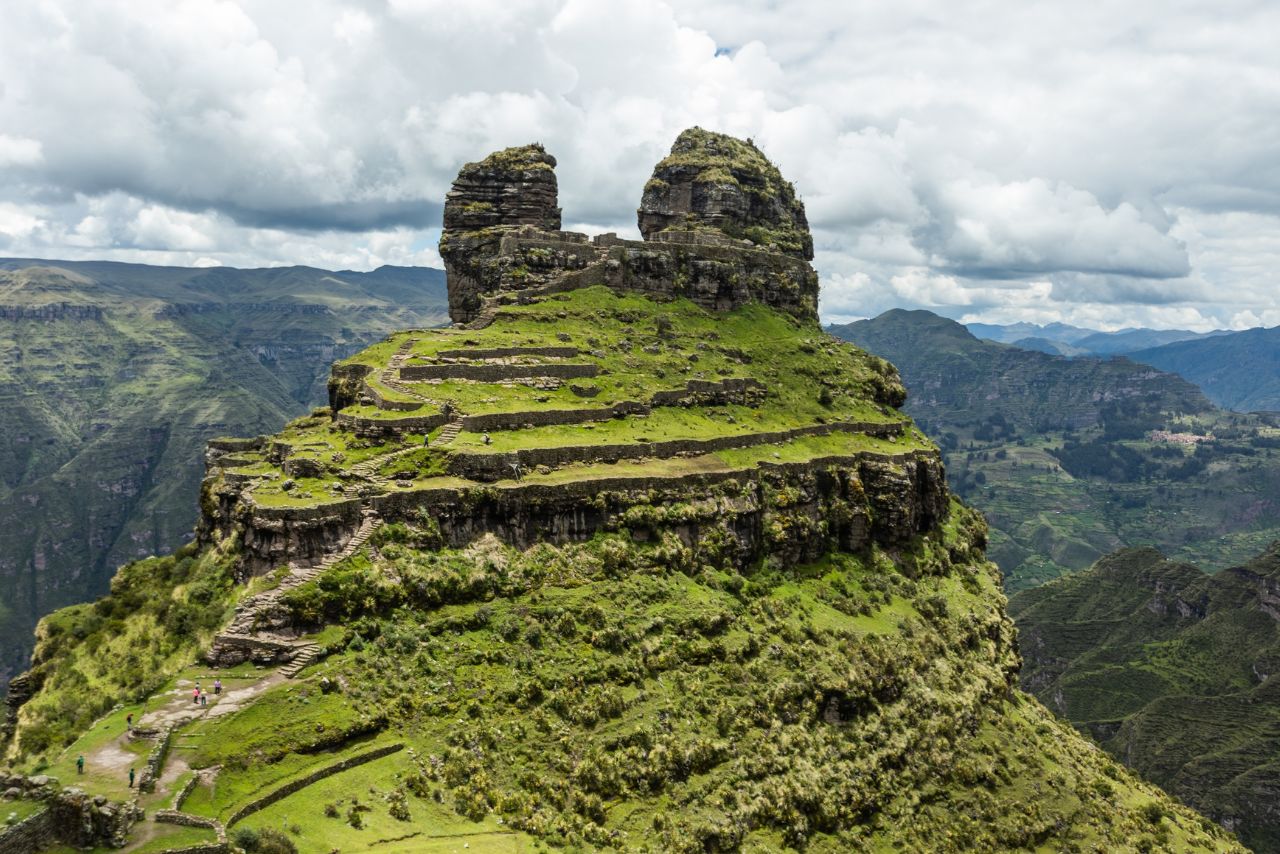
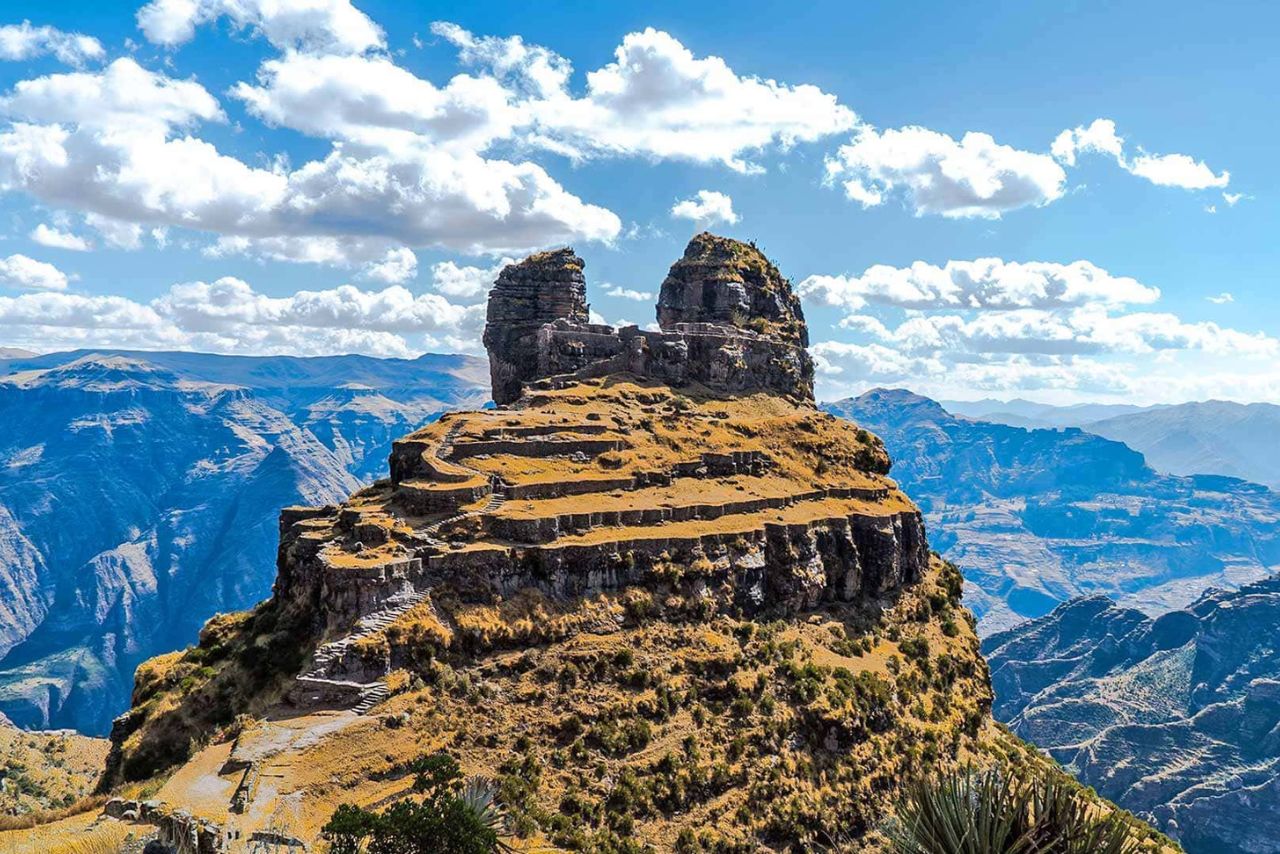
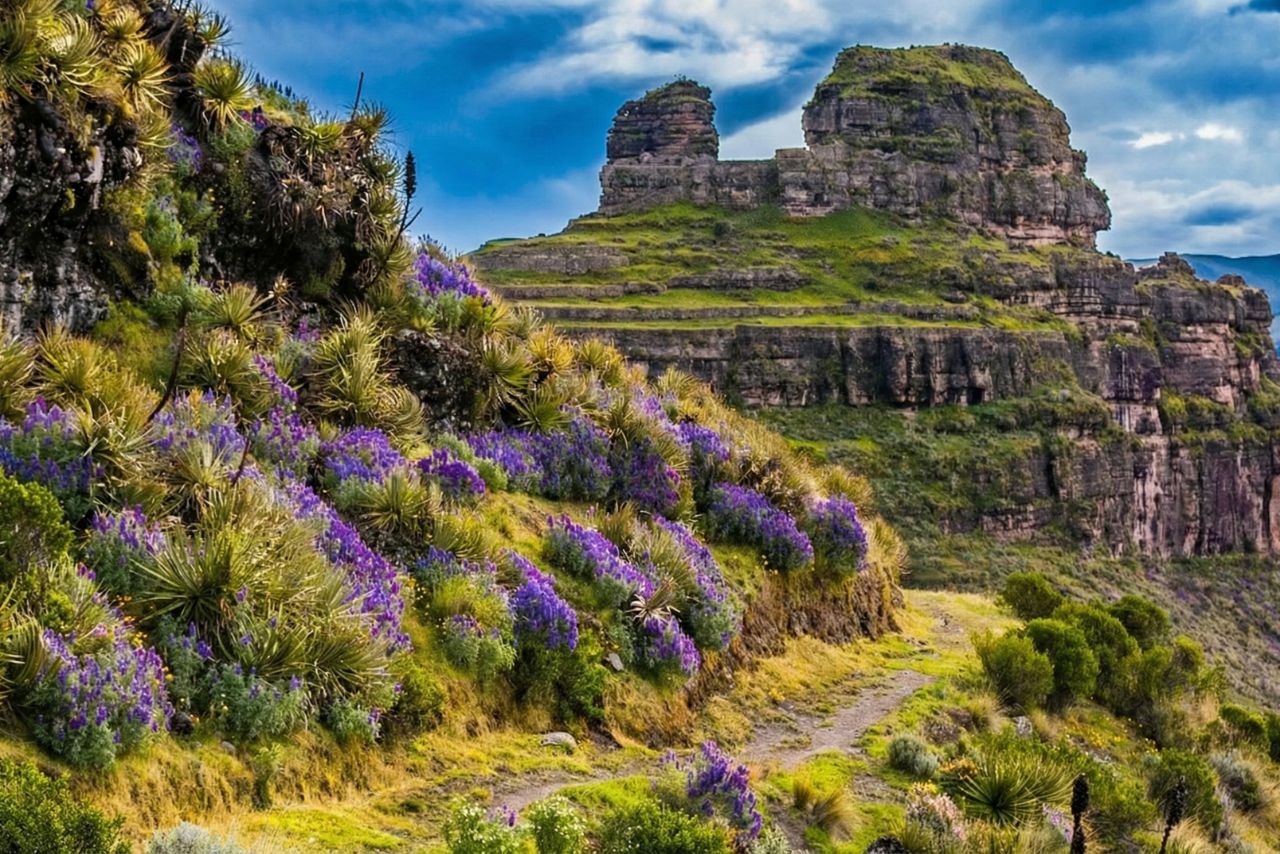
At around 4,300 meters above sea level, the site rises above a ravine in the high Andes, dramatic enough to look almost intentional in its staging. From a distance, the rock formation is the giveaway: two natural “horns” framing the ridge like a crown. The name is often translated as “horn fortress,” from Quechua.
But standing there, with the canyon air moving fast and thin around you, “fortress” feels only half right. Waqrapukara reads as a place chosen for presence, not convenience.
Why It Feels Different From The Usual Sacred Valley Circuit
Most trips around Cusco are built for easy access: sites you can reach quickly, walk briefly, photograph, then return to lunch. Waqrapukara is the opposite. The day stretches out. The approach is part of the story. And the setting is so vast it reshapes your sense of distance.
It’s also officially recognized, not just a popular hike. Peru’s Ministry of Culture declared Waqrapukara a National Cultural Heritage site, classified as an archaeological landscape, located in Acos District, Acomayo Province. That “landscape” framing matters once you’re there, because the site and its surroundings are inseparable: stonework, ridge, ravine, sky, and the route that brings you in.
Getting There From Cusco
There are multiple trailheads, and the route you choose shapes the day. One of the commonly used options begins near Sangarará, then continues on foot to Waqrapukara. On the popular out-and-back route listed from Sangarará, the distance is about 14.3 km with roughly 801 m elevation gain, and many hikers take around 5.5 to 6 hours to complete it, depending on pace and conditions.
Most travelers go with a guide or arranged transport the first time, mainly because the logistics can be fiddly and the trailheads are remote. If you do it independently, plan like you would for a serious mountain day, not a casual sightseeing stop.
Waqrapukara is the kind of walk that changes character in sections. The early part tends to feel deceptively manageable, open terrain and steady movement, the sort of landscape where you can see the route unfold ahead. Then the altitude begins to speak up, especially if you’ve only recently arrived in the region. Breathing becomes something you notice. Your pace becomes a choice.
And then the canyon appears, and the hike turns cinematic. The ground drops away in angles that make you slow down without being told. The wind carries sound strangely, sometimes sharp, sometimes swallowed. The “horns” start to align with the stonework, and suddenly you understand why people talk about this place with a kind of quiet pride, like they’re letting you in on something.
Arriving At Waqrapukara
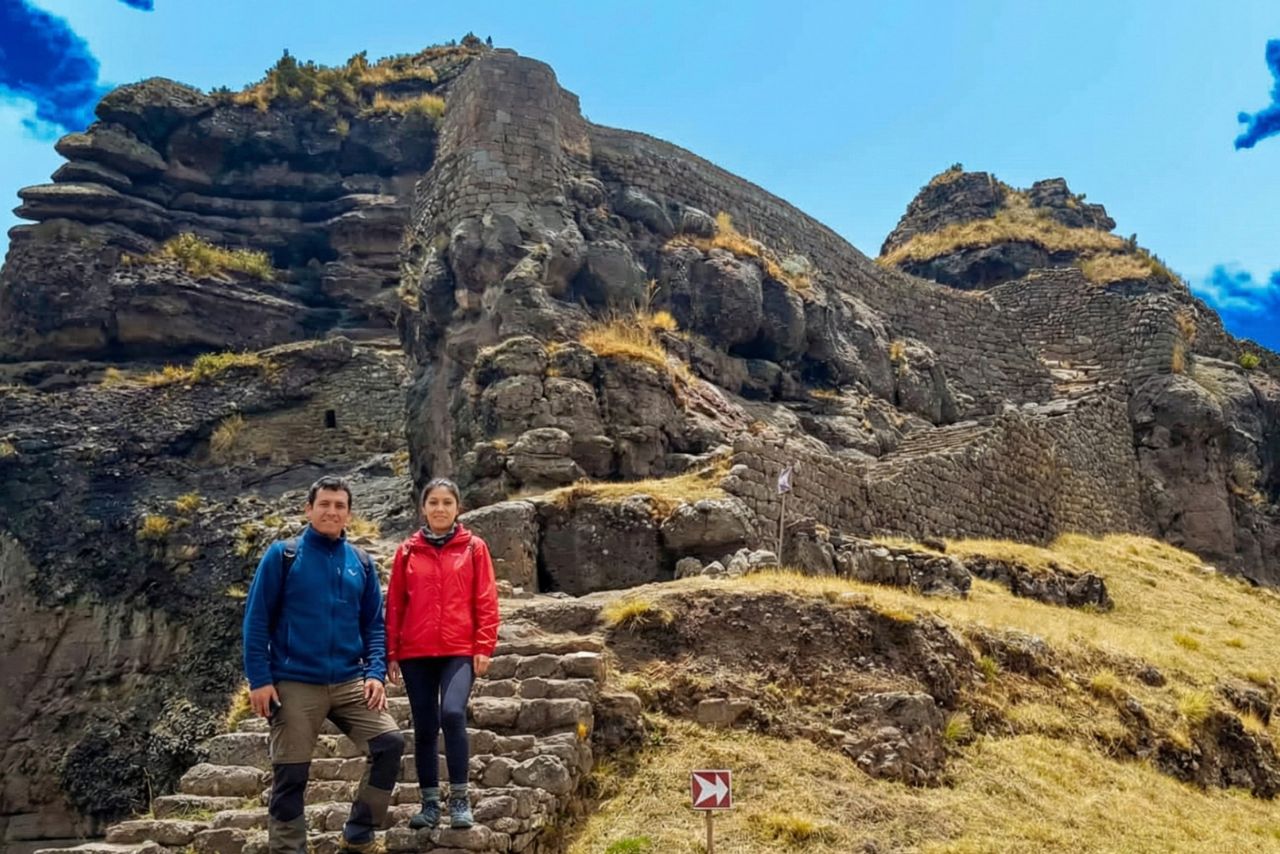
Up close, the site feels integrated into the ridge, not placed on top of it. Terraces, platforms, and stone walls seem to follow the logic of the rock, using the natural formation as architecture. The setting is near the Apurímac River, and the canyon air gives everything a sharpened clarity.
This is where you slow down again, not from effort, but from attention. Some places push you through a designated circuit. Here, the experience is more about lingering: stepping to the edge for the view, returning to a quiet corner to watch clouds reorganize the light, noticing how the stonework catches shadow.
If you time it well, late morning and early afternoon can be especially striking, when the sun is high enough to illuminate the terraces but not so harsh that the ridge turns flat. The site’s drama is constant, but its mood changes by the hour.
Waqrapukara is not a checklist destination. The best moments are often the simplest ones:
Walk the terraces slowly and look outward often, because the views are part of the design.
Sit for ten minutes without moving, long enough for the wind and altitude to settle into the background.
Watch how other visitors behave: most people naturally lower their voices here, as if the landscape sets the volume.
If you’re traveling with a guide, ask them to point out how the site relates to the ridge and the canyon below, because that relationship is what turns a dramatic viewpoint into a meaningful place.
Know Before You Go
Waqrapukara’s headline fact is altitude. Many descriptions place it around 4,300 meters above sea level. If you want this to feel rewarding instead of punishing:
Acclimatize first. Give yourself time in Cusco or the Sacred Valley before attempting the hike.
Pack like the weather can change, because it can. Sun, wind, and sudden cold are all possible in a single day.
Start early. Not only for light, but for a calmer experience on the trail.
Carry enough water and snacks. There are no convenient stops once you’re committed to the route.
Treat the site gently. It’s protected cultural heritage, and the best way to keep it feeling wild and intact is simple: stay on established paths, don’t climb fragile walls, and carry out everything you bring in.
Why The Detour Is Worth It
Waqrapukara gives you something many famous day trips around Cusco can’t: a sense of scale that stays with you. It’s not just the stonework, or the horns, or the photo from the ridge. It’s the whole day, the long approach, the way the Andes forces you into a slower rhythm, and the feeling that you’ve stepped into a place that still belongs more to the mountains than to the itinerary.