Peruvian food travel often begins in Lima, and for good reason. The capital has become one of the world’s most respected culinary cities, with acclaimed restaurants, elegant tasting menus, traditional markets, cevicherías, pisco bars, chifas, huariques, and contemporary kitchens that draw from every region of the country.
Lima is where many travelers first understand that Peruvian cuisine is not one style of cooking but a living conversation between coast, Andes, Amazon, migration, memory, and place. Peru’s official tourism board describes Lima as a city of varied traditional dishes, from five-star hotels to markets and informal restaurants, while The World’s 50 Best Restaurants named Maido in Lima the world’s best restaurant in 2025.
Yet Lima is only the beginning. To travel through Peru with food as the thread is to move beyond reservations and menus. It is to meet producers, walk through markets with people who know what to look for, understand why pisco belongs to the coast, taste cacao close to where it is grown, and see how regional kitchens carry stories that rarely appear on a standard itinerary.
Key Takeaways: Peru Food Travel Starts From Lima
- Peru food travel begins beautifully in Lima, but the most meaningful culinary journeys continue into the coast, Andes, and Amazon.
- Lima’s restaurant scene offers access to fine dining, traditional markets, pisco bars, cevicherías, and regional cooking in one city.
- Peru’s food culture is shaped by geography, migration, agriculture, and centuries of local knowledge.
- Pisco, chocolate, coffee, seafood, corn, potatoes, herbs, and native grains all offer a deeper way to understand Peru.
Peru Food Travel In Lima

Lima is the best place to begin a Peru food travel journey because the city gathers the country’s many food traditions in one place. It sits on the Pacific coast, so seafood is central to its identity. At the same time, ingredients arrive from the Andes and the Amazon every day. This gives Lima a rare culinary range.
A good food itinerary in Lima should not focus only on famous restaurants. Those tables are important, but they are only one part of the city. Lima is also about morning markets, neighborhood bakeries, pisco bars, old taverns, seafood counters, street snacks, family-run kitchens, and casual places that have earned loyalty over generations.
The city rewards curiosity. You can eat a refined tasting menu one evening and enjoy a simple, bright ceviche the next afternoon. You can taste Nikkei cuisine, which blends Peruvian ingredients with Japanese technique, then explore chifa, the Chinese-Peruvian tradition that has shaped how many Limeños eat. Lima’s food scene is elegant, but it is also generous and everyday.
READ ALSO: A Luxury Cultural Tour of Peru
Lima Restaurants For Peru Food Travel
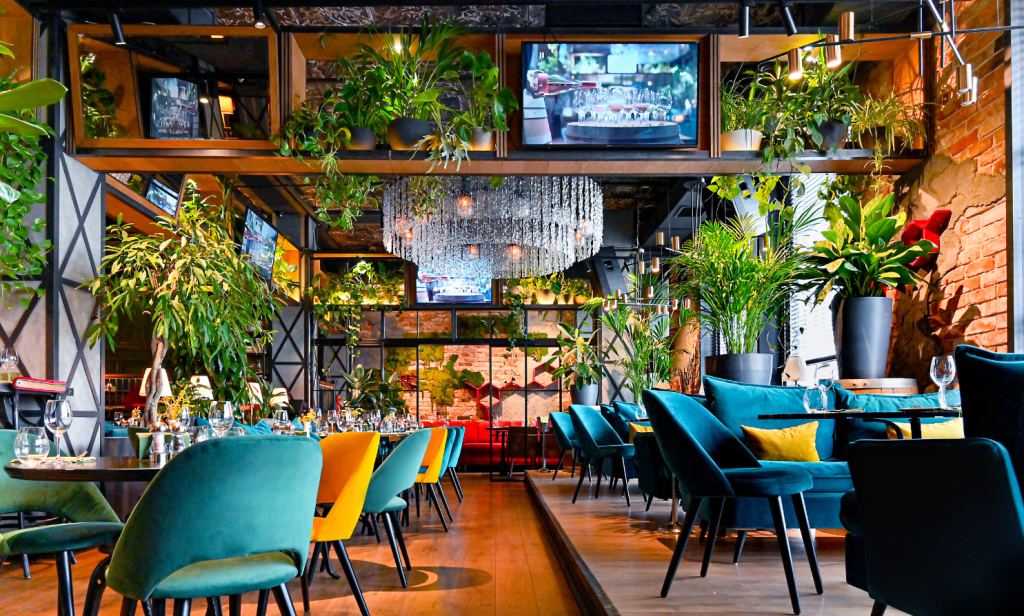
Lima’s restaurant scene is one of the strongest reasons food lovers visit Peru. Maido is known for Nikkei cuisine and its refined use of Peruvian ingredients with Japanese influence. Kjolle, led by Pía León, focuses on Peru’s pantry with color, texture, and regional depth. Mérito brings a thoughtful connection between Peru and Venezuela. Mayta presents contemporary Peruvian cooking with strong attention to native ingredients.
These restaurants are valuable because they do more than serve beautiful food. They show how Peruvian cuisine can be interpreted with precision and imagination. A meal in one of these rooms can help a traveler understand the range of the country in a carefully composed way.
Still, Lima should not be experienced only through tasting menus. Places like La Mar show the importance of ceviche and seafood culture. Traditional restaurants offer ají de gallina, causa limeña, anticuchos, lomo saltado, arroz con mariscos, tacu tacu, and seco. Smaller neighborhood restaurants often carry the warmth of Lima better than the most formal settings.
The best approach is balance. Choose one or two celebrated restaurants if they suit your style. Then leave room for local dining. Lima is a city where both can feel equally memorable.
READ ALSO: Peru Moments Our Guests Talk About For Years
Lima Markets Reveal Peru’s Ingredients

Markets are essential in Lima. They show the ingredients before they become dishes. For food lovers, this is one of the most rewarding parts of the city. You can see varieties of potatoes, corn, ají peppers, herbs, fish, shellfish, Amazonian fruits, cacao, and grains in one place.
A market visit helps explain why Peru’s cuisine has such depth. The country has many altitudes, climates, and ecosystems. This creates a pantry that few destinations can match. In Lima, that diversity is visible every morning.
Surquillo Market is often visited by travelers because it is accessible and full of variety. Local guides and chefs may also introduce guests to other markets, depending on the experience they want. Some visits focus on fruit tasting. Others explore seafood, spices, vegetables, or the ingredients behind classic dishes.
This is where Peru food travel becomes more meaningful. A dish stops being just something served on a plate. You begin to see the growers, fishermen, traders, and cooks behind it.
Ceviche Is Essential To Peru Food Travel

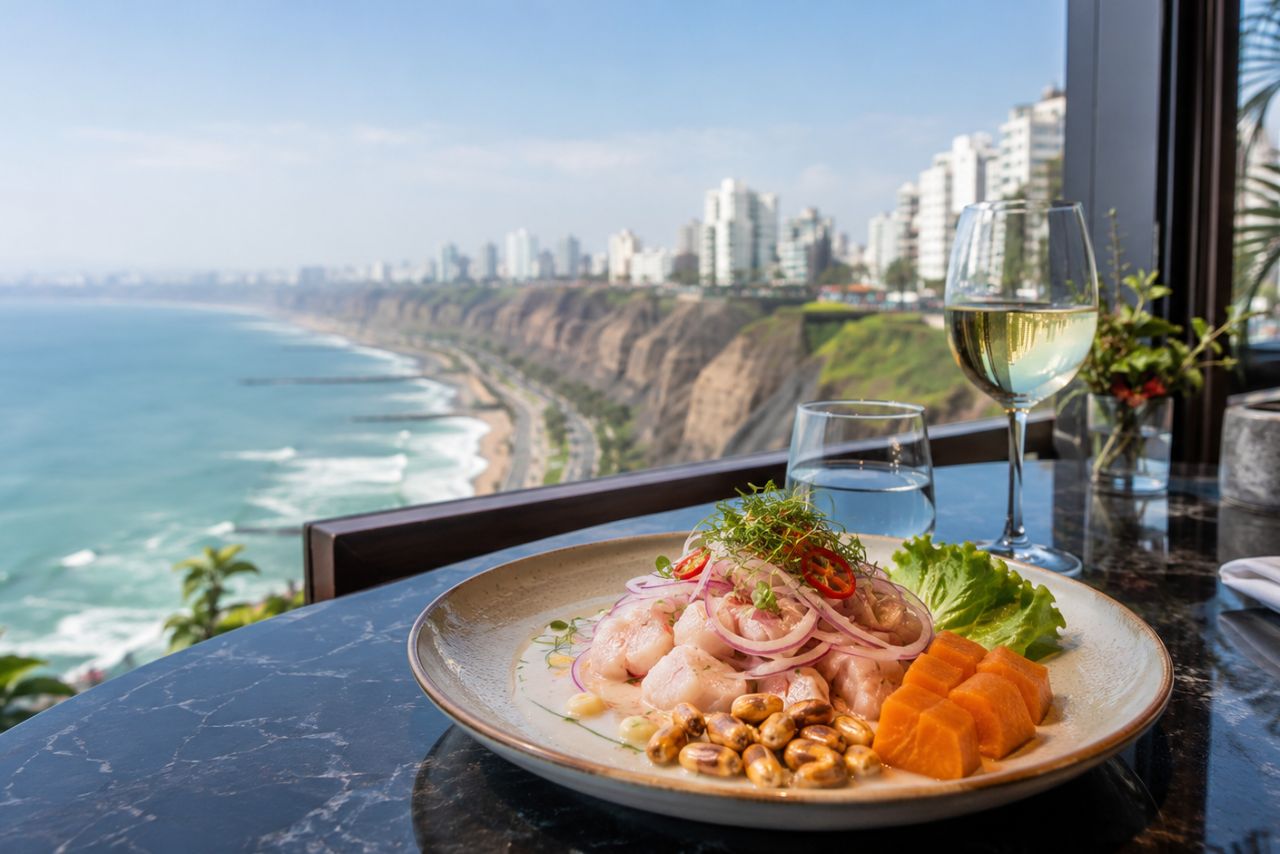
Ceviche is one of Lima’s essential experiences. It is clean, sharp, fresh, and deeply connected to the Pacific. At its most classic, it brings together raw fish, lime, onion, ají, salt, and cilantro, often served with sweet potato and corn.
The best ceviche depends on freshness, timing, and balance. It should feel bright, not heavy. The lime should lift the fish without covering it. The ají should bring warmth without taking over. Like many simple dishes, it depends on skill.
In Lima, ceviche is often eaten earlier in the day. Many cevicherías are busiest at lunch. This rhythm is part of the culture. A ceviche experience can be casual, refined, coastal, or deeply traditional, depending on where you go.
For food lovers, ceviche is also a gateway into other seafood dishes. Tiradito, causa with crab or tuna, arroz con mariscos, jalea, grilled octopus, and chupe can all help reveal the coast in different ways.
READ ALSO: What Is Peruvian Ceviche and Why Has It Become a National Icon?
Pisco Brings Peru’s Coastal Valleys Into The Glass
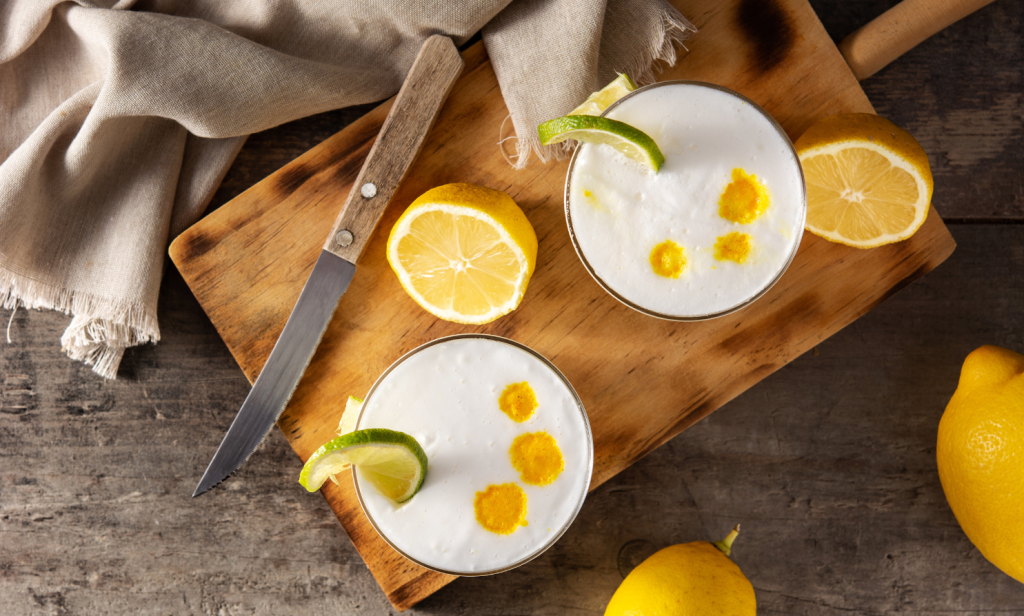
Pisco deserves a place in any culinary journey through Peru. It is closely tied to the country’s coastal valleys and to Peru’s sense of hospitality. The pisco sour is the most famous expression, but pisco is much broader than one cocktail.
A thoughtful tasting can introduce different grape varieties and styles. You begin to notice aroma, texture, and finish. You also understand why pisco is not just a drink before dinner. It is part of Peru’s agricultural and cultural identity.
In Lima, pisco bars and restaurants can offer an excellent introduction. For travelers who want to go deeper, the journey can continue south toward the pisco-producing regions. This adds another layer to Peru food travel because it connects the glass to the landscape.
Pisco also pairs beautifully with food. It can sit beside ceviche, causas, seafood, and modern Peruvian small plates. When approached well, it feels elegant, local, and grounded.
READ ALSO: Must-See Experiences in the Peruvian Andes
Chocolate and Cacao Add Depth To Peruvian Food

Peru is an important destination for cacao lovers. The country grows fine cacao in different regions, including the Amazon and other tropical areas. In Lima, chocolate shops and tasting experiences help introduce this side of Peru’s food culture.
Chocolate in Peru is about origin, fermentation, roasting, texture, and the relationship between cacao and place. A guided tasting can show how different regions create different notes. Some chocolates are fruity. Others feel floral, earthy, nutty, or deep.
This is a wonderful addition to a Lima food itinerary because it slows the pace. After markets and restaurants, chocolate offers another way to understand Peru’s biodiversity. It also supports a wider conversation about producers and responsible sourcing.
Travelers who are especially interested in cacao can go beyond Lima. A broader itinerary may include regions where cacao is grown, processed, and connected to local communities. This adds depth to the journey.
READ ALSO: Cacao: Chocolate’s Peruvian Roots
Peruvian Coffee Connects Lima To The Highlands

Peruvian coffee is another important part of the country’s culinary identity. Much of it is grown in highland regions, where altitude, climate, and careful cultivation shape the flavor. For travelers who enjoy coffee, Lima offers a good starting point through specialty cafés and roasters.
A coffee-focused experience may include tasting different beans, learning about growing regions, and understanding how processing affects flavor. In the right setting, coffee becomes more than a morning habit. It becomes a quiet introduction to Peru’s agricultural landscape.
The best coffee experiences often point beyond the city. Beans may come from regions such as Cusco, Cajamarca, Amazonas, Junín, or other growing areas. This makes coffee a bridge between Lima and the rest of Peru.
Peruvian food travel is breakfast, coffee, chocolate, market fruit, a glass of pisco, a simple bread roll, and the small rituals that shape daily life.
Regional Cuisine In Peru
Lima introduces Peru’s culinary range, but regional travel gives it context. Every region has its own dishes, ingredients, and rhythms. This is where the journey becomes richer.
In the Andes, food is shaped by altitude, climate, and ancient agricultural knowledge. Potatoes, corn, quinoa, kiwicha, herbs, trout, cheese, and slow-cooked meats all play important roles. Dishes can feel warm, nourishing, and connected to the land.
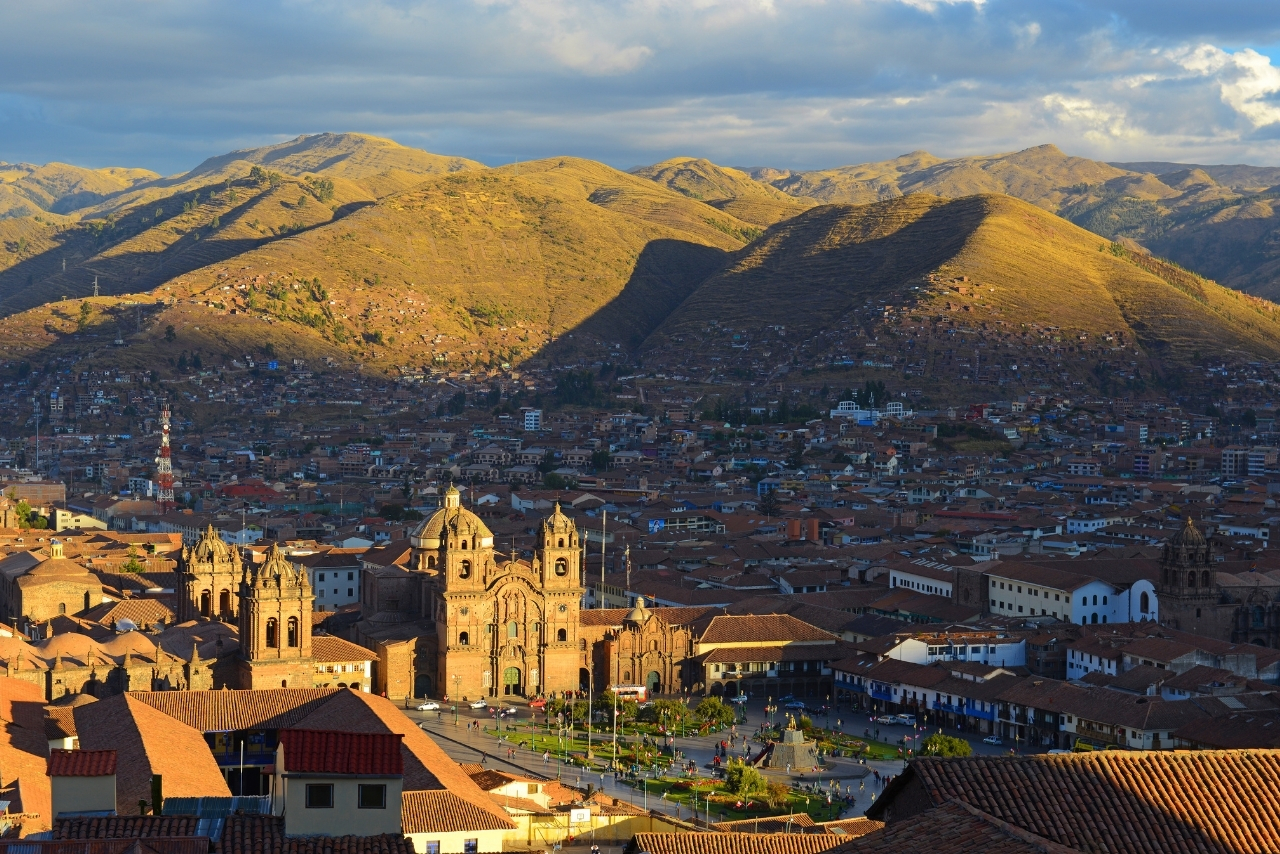
In Cusco and the Sacred Valley, travelers can explore traditional cooking methods, local markets, corn varieties, Andean grains, and pachamanca. Pachamanca is especially meaningful because it is cooked with hot stones under the ground. It is not only a meal. It is a shared ritual of earth, heat, time, and community.
Arequipa has one of Peru’s strongest regional food identities. Its picanterías are central to local culture. Dishes such as rocoto relleno, chupe de camarones, adobo, ocopa, and solterito show a distinct culinary voice. Arequipa was named a UNESCO Creative City of Gastronomy, which reflects its deep food heritage.
In the Amazon, the cuisine changes again. Ingredients may include river fish, plantains, yuca, tropical fruits, cacao, and local herbs. The flavors can feel fresh, generous, and completely different from the coast or Andes.
Peruvian Food Travel Through Migration: Nikkei, Chifa, and Beyond
Peruvian cuisine has been shaped by migration as much as geography. Lima is one of the best places to see this. Nikkei cuisine reflects the relationship between Japanese techniques and Peruvian ingredients. Chifa reflects Chinese influence and has become a beloved part of everyday Peruvian food culture.
This is one reason Lima’s culinary scene feels so layered. It does not present tradition as something frozen. It shows how food changes, adapts, and becomes part of national identity.
A traveler can experience this through restaurants, casual meals, and guided tastings. Nikkei cuisine may appear in a fine dining setting or in a more relaxed form. Chifa may be enjoyed in a simple neighborhood restaurant, where families gather around generous plates.
These influences are not separate from Peruvian cuisine. They are part of it. For food lovers, they reveal how open and expressive Peru’s food culture has become.
READ ALSO: Peruvian Food & Drink: What It Is, What to Try, and Where to Eat in Peru (2026 Guide)
How To Plan A Thoughtful Peru Food Travel Itinerary
A strong culinary itinerary should have rhythm. It should not be only a list of restaurant bookings. The best Peru food travel experiences mix fine dining, local dining, markets, tastings, producer visits, and regional travel.
In Lima, plan time for at least one market visit, one ceviche experience, one pisco tasting, one traditional meal, and one contemporary restaurant. Add chocolate or coffee if those interest you. Avoid making every day too full. Food is best enjoyed when there is space between experiences.
After Lima, choose regions based on your interests. Cusco and the Sacred Valley are ideal for Andean ingredients, markets, corn, potatoes, grains, and traditional cooking. Arequipa is excellent for regional cuisine and picanterías. The Amazon is powerful for cacao, fruit, fish, and biodiversity. Coastal routes can deepen the connection to seafood and pisco.
A private food journey can be shaped around pace, access, and personal taste. Some travelers want chef-led experiences. Others prefer markets and home-style cooking. Some want wine, pisco, and cocktails. Others want coffee, cacao, or plant-based cuisine. Peru can hold all of these beautifully.
READ ALSO: Andean Cuisine: A Gastronomic Journey through the Peruvian Mountains
Conscious Food Travel In Peru
Food travel is most meaningful when it respects the people and places behind the experience. In Peru, this means thinking about producers, guides, cooks, communities, and the land itself.
A conscious culinary journey does not need to feel heavy or overly formal. It can be as simple as choosing experiences that value local knowledge, support responsible sourcing, and give travelers a deeper understanding of what they are tasting.
This is especially important in a country with such biodiversity. Ingredients are not just ingredients. They come from ecosystems, farms, fishing communities, and long-standing traditions. When food is approached with care, travel becomes more connected.
Peru offers that kind of journey naturally. The country invites you not only to taste but also to listen.
Frequently Asked Questions
Yes, Lima is one of the best cities in the world for food, with fine dining, ceviche, markets, pisco, Nikkei cuisine, chifa, and traditional Peruvian restaurants.
Food lovers should spend at least three days in Lima to enjoy restaurants, markets, ceviche, pisco, coffee, chocolate, and different neighborhoods.
You should try ceviche, tiradito, causa, lomo saltado, anticuchos, ají de gallina, arroz con mariscos, chifa, Nikkei cuisine, pisco sour, and Peruvian chocolate.
Yes, Peru produces excellent coffee and cacao, and Lima is a good place to taste both before exploring the growing regions.
Cusco, the Sacred Valley, Arequipa, the Amazon, and the southern coast are excellent regions for deeper culinary travel after Lima.
Yes, Peru food travel can be planned privately with market visits, chef-led experiences, pisco tastings, restaurant bookings, regional meals, and producer-focused journeys.
Build Your Private Culinary Journey in Peru
Peru food travel may begin in Lima, but it should not end there. Lima gives you the first taste: the restaurants, the markets, the ceviche, the pisco, the chocolate, the coffee, and the energy of a city that understands food deeply. Then the rest of the country adds context. The Andes, the Amazon, the coast, and the regional kitchens all help complete the story.
Let’s build a private culinary journey through Peru, from Lima’s most thoughtful tables to the regions where the ingredients begin for you.