Cusco’s restaurant strip can make a visitor believe they have tasted the region after one plate of lomo saltado. They have not. The dishes that define what to eat in Cusco rarely sit on a laminated tourist menu translated into four languages. They live in family kitchens, in market stalls, and in recipes passed down through generations of Andean farmers.
This is food shaped by altitude and by ancient agricultural knowledge. It draws on ingredients that exist nowhere else on earth in such variety. The potato alone tells a story that predates the Inca Empire. Corn, quinoa, and chicha carry their own histories, just as old and just as proud. Understanding these foundations changes the way a traveler eats for the rest of the trip.
What follows is a closer look at what to eat in Cusco once the obvious choices run out. Some dishes require a special occasion. Others appear on every table, every single day. Together they form the real flavor of the Andes.
Key Takeaways: What to Eat in Cusco
- Cuy al horno, baked guinea pig, is reserved for celebrations and remains one of the most authentic answers to what to eat in Cusco.
- Trucha, the Andean trout, appears in both ceviche and fried preparations sourced from the Sacred Valley.
- Choclo con queso pairs giant Andean corn with mild Andean cheese for a simple, beloved street snack.
- Peru grows roughly 3,500 native potato varieties, many of them found only in the Andean highlands.
- Chicha de jora and chicha morada both trace back to the same ancient corn that has fed this region for centuries.
Cuy al Horno
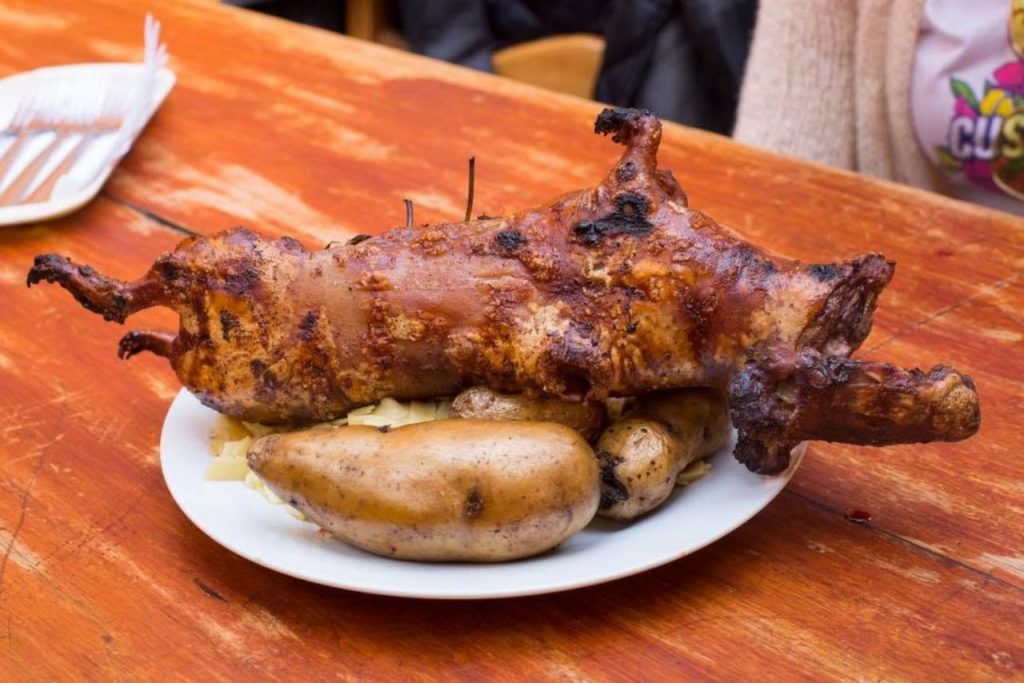
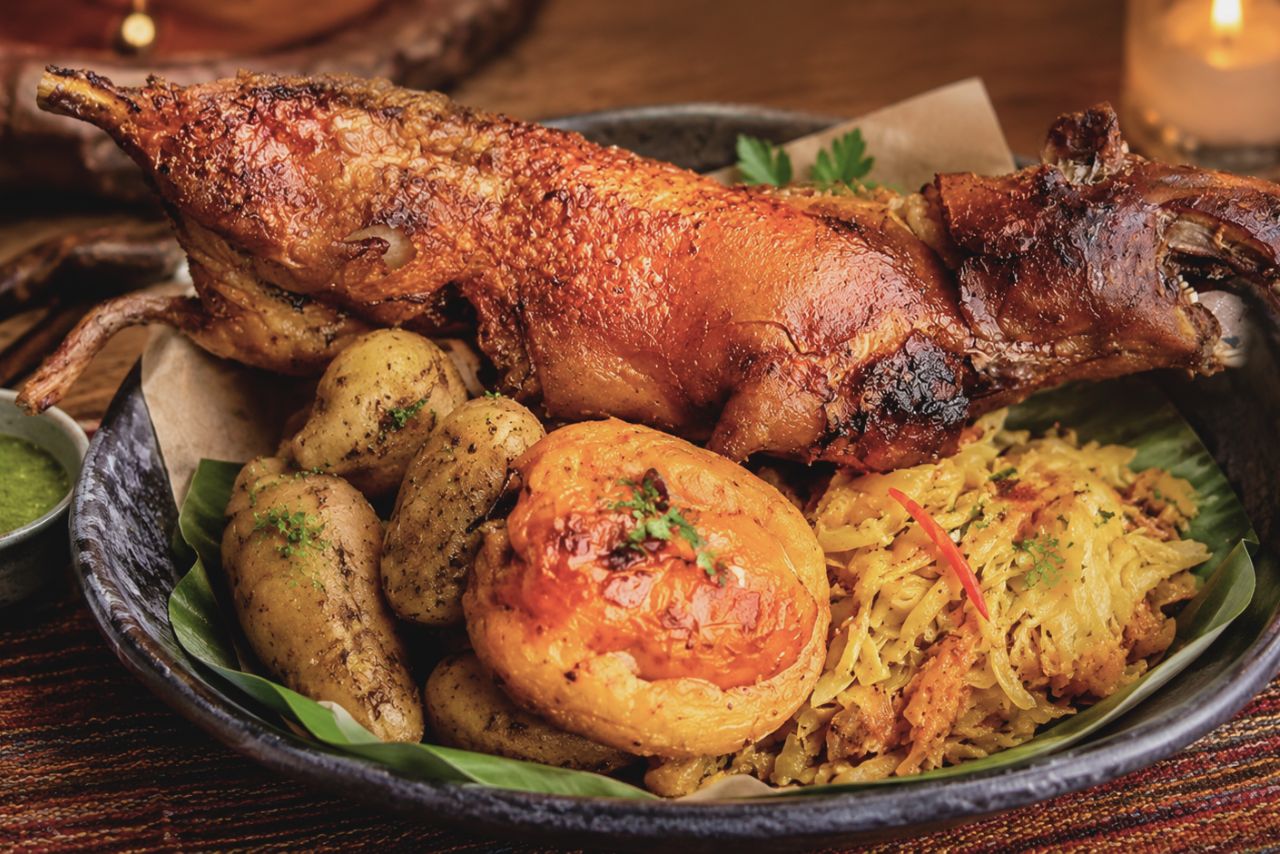
Cuy, the Andean guinea pig, holds a place of honour in Cusco’s culinary tradition. It is not an everyday meal. Families reserve it for weddings, baptisms, and other milestone celebrations. The most common preparation here is cuy al horno, meaning the guinea pig is baked whole rather than fried.
The flavor is rich. The texture sits closer to rabbit than to chicken. It usually arrives with boiled potatoes, a simple salad, and a spoonful of spicy aji sauce on the side. Some restaurants serve a version called cuy chactado, which involves frying the meat flat under the weight of a stone. Either way, trying cuy is one of the most authentic answers to what to eat in Cusco.
Trucha
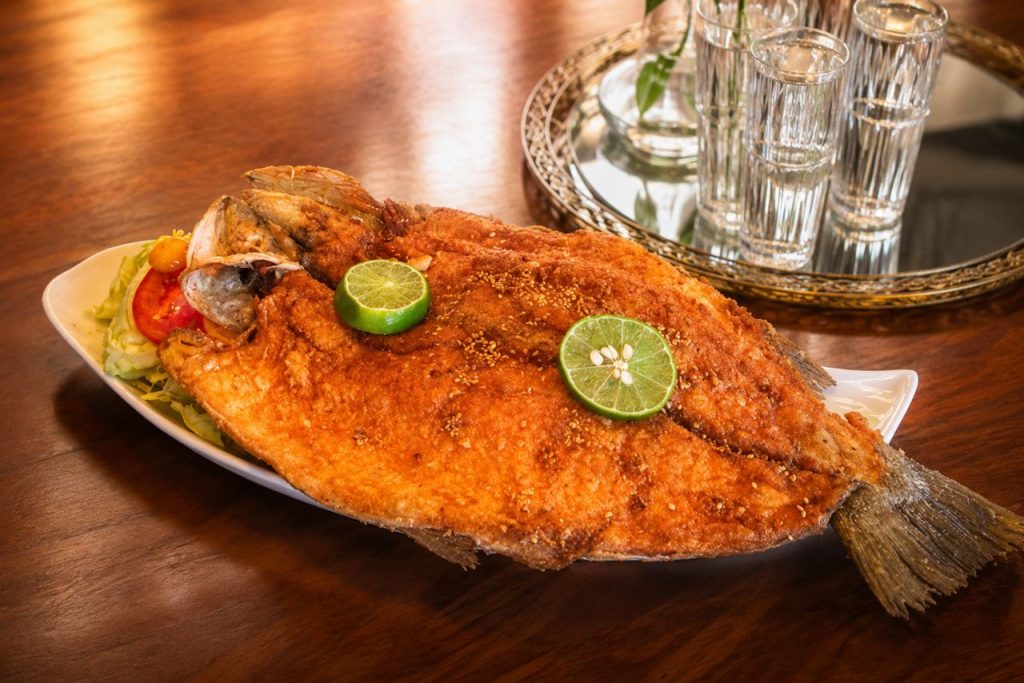
Few dishes capture daily life in Cusco better than trucha. This is the trout that swims in the region’s cold rivers and high lakes. Cusco’s ceviche almost always uses trucha rather than ocean fish, unlike the seafood version found along Peru’s coast. The fish is cured in citrus. It arrives with sweet potato, onion, and toasted corn.
Fried trout is just as common. It is often paired with rice, cassava, and a tangy onion-based salsa criolla. Trucha rarely travels far before it reaches a plate. Most of it comes straight from farms in the Sacred Valley. The fish on a Cusco menu was likely swimming that same morning.
Choclo con Queso
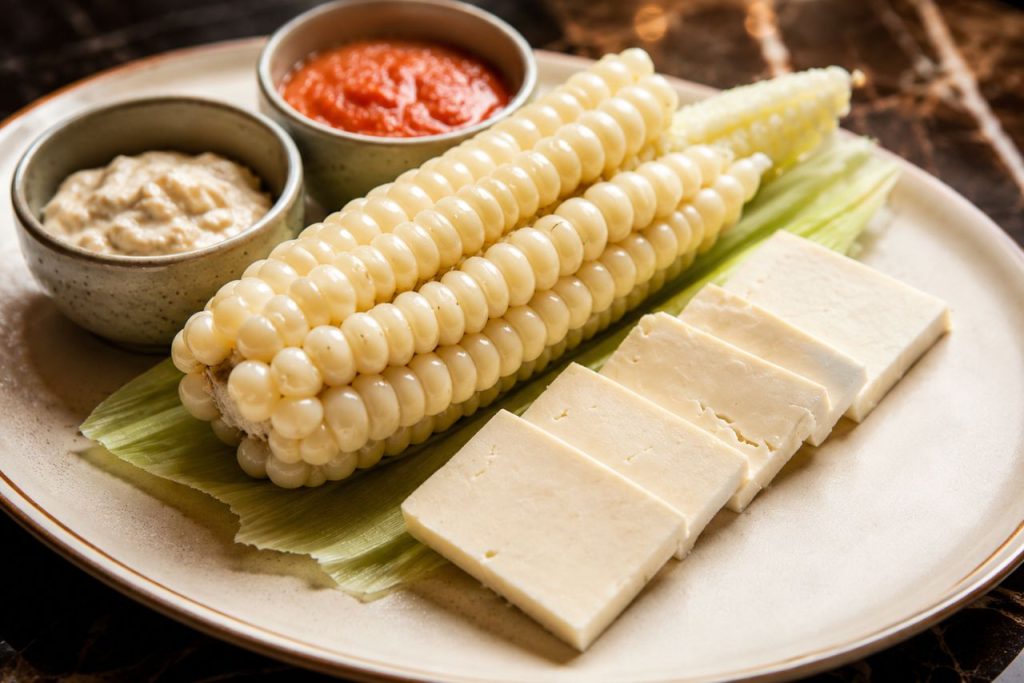
Choclo con queso proves that the most memorable dishes are sometimes the simplest. A few large kernels of Andean corn, called choclo, are boiled or grilled. They arrive alongside a thick slice of queso paria, a mild and slightly salty Andean cheese. That is the entire dish, and it works because both ingredients shine on their own.
Street vendors throughout Cusco sell choclo con queso from steaming pots. They often set up near busy corners or outside major attractions. It costs very little and offers an immediate sense of how seriously this region treats its corn. The combination of sweet and salty has fed generations of Andean families. It remains a daily staple rather than a novelty.
The Quiet Power of Quinoa
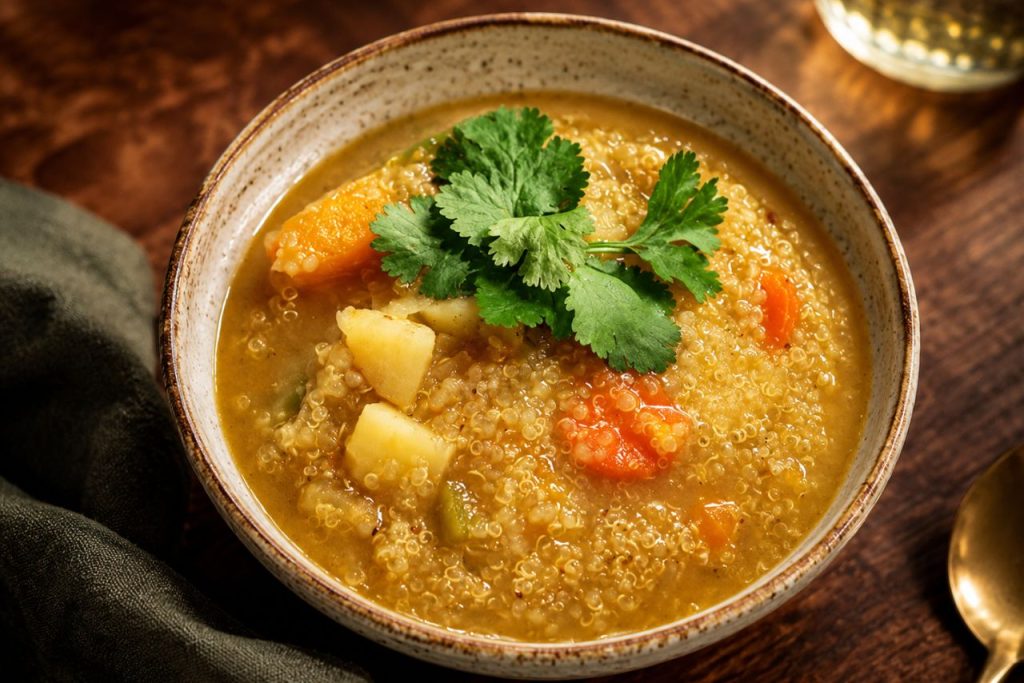
Quinoa rarely takes center stage on a plate, yet it appears almost everywhere in Cusco’s cooking. Locals fold it into hearty soups. They simmer it into a thick porridge called quinoa atamalada. They also serve it as a light side dish alongside meat and potatoes. Its nutritional value made it a staple in the Andes long before the rest of the world took notice.
What surprises most travelers is the texture. Properly cooked Andean quinoa has a gentle crunch. It carries a faint nutty flavor that holds up well in both soups and salads. A bowl of quinoa soup on a cold Cusco evening captures the highland kitchen at its most comforting. Potatoes, herbs, and a touch of chilli usually go in too.
READ ALSO: Quinoa or Kaniwa? Superfoods in the Peruvian Kitchen
Potatoes
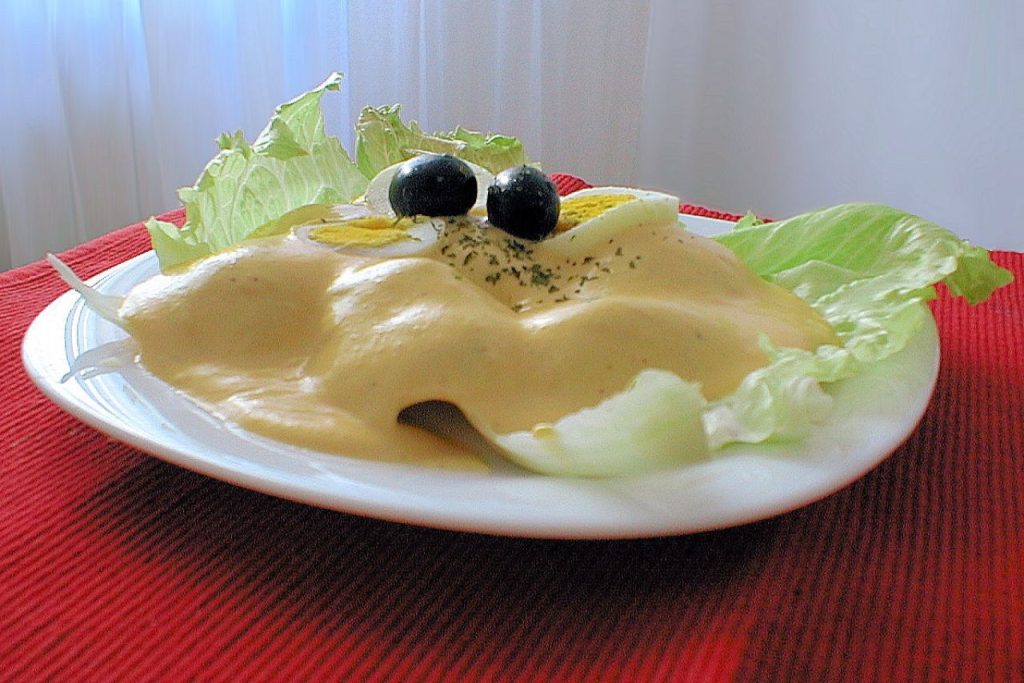
No answer to what to eat in Cusco can skip the potato. Peru is home to roughly 3,500 native potato varieties. Each one suits different soils, altitudes, and dishes. Many of these varieties grow nowhere else on the planet. Small farming communities across the Andean highlands have preserved them for generations.
Visitors will spot purple, yellow, and even mottled potatoes piled high in Cusco’s markets. Each variety carries a name and a use passed down through families. Papa a la huancaina covers sliced potatoes in a creamy, spicy yellow sauce. It is one of the most popular ways to enjoy this variety. Boiled potatoes also accompany cuy, trucha, and almost every traditional Andean plate. They anchor the meal the way bread anchors a table elsewhere in the world.
READ ALSO: 5 Facts You Didn’t Know About Peruvian Potatoes
Chicha de jora
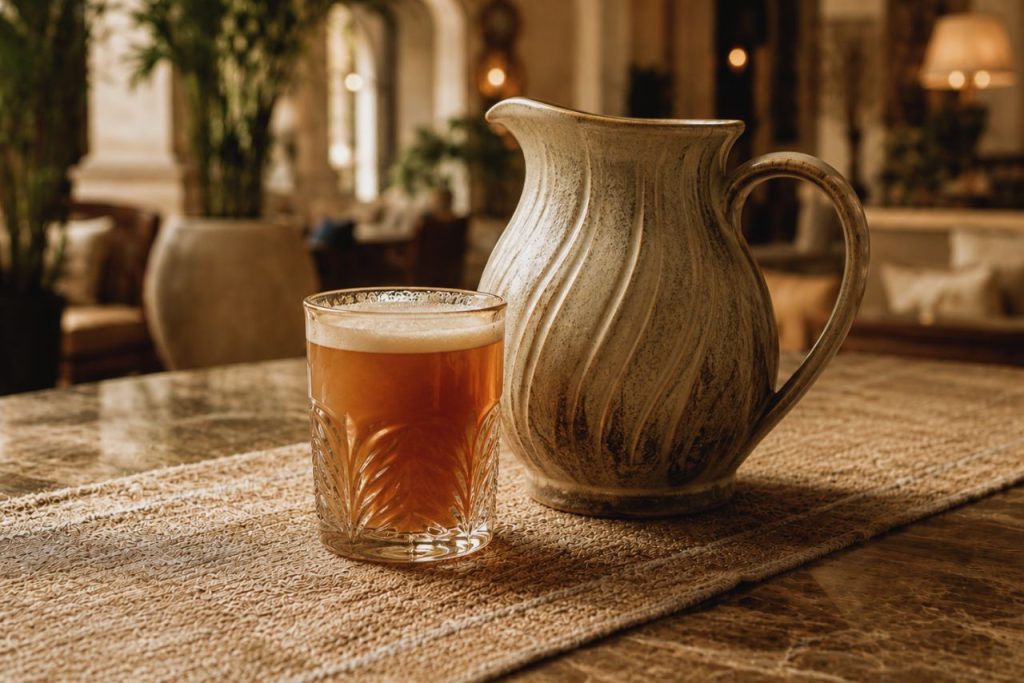
Chicha de jora, a fermented corn beer, has been brewed in the Andes since long before the Inca Empire. Traditionally made from a specific variety of maize, it ferments naturally over several days. Communities often share it during gatherings and celebrations. A red flag hanging outside a small house in the Sacred Valley usually signals a local chichería. This is where the drink is sold straight from the source.
For visitors who prefer something non-alcoholic, chicha morada offers a gentler introduction. It is made by boiling purple corn with pineapple, cinnamon, and other natural flavorings. The result has become the iconic purple drink served alongside the daily lunch menu across Cusco. Both versions trace back to the same Andean corn that has sustained this region for millennia.
Andean Corn
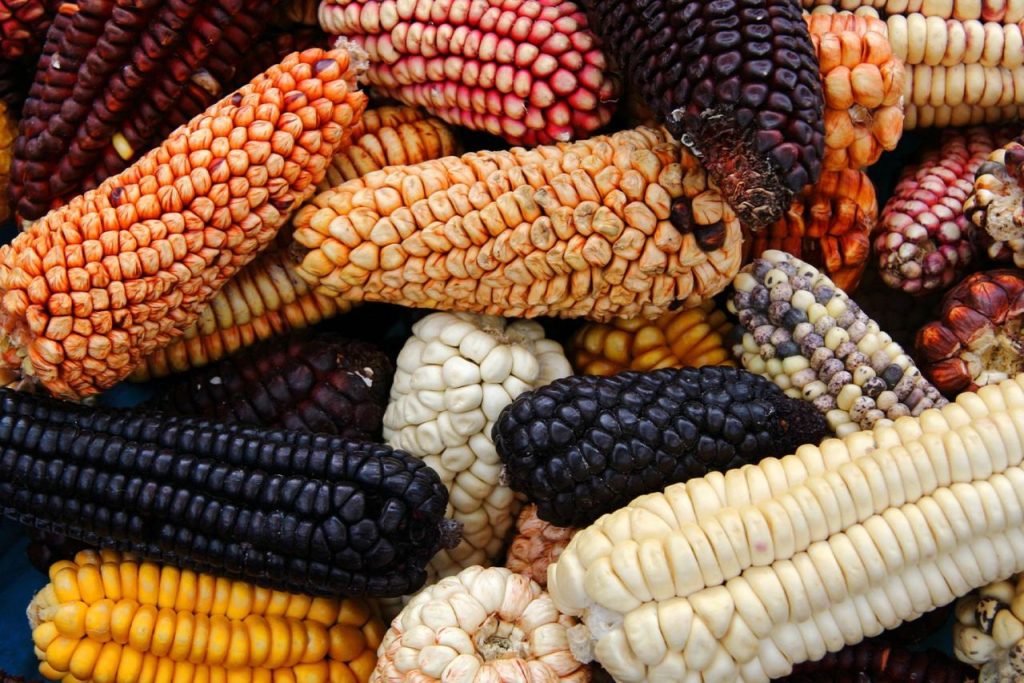
Corn runs through nearly every dish on this list, and Cusco’s variety of Andean corn deserves attention on its own. The kernels grow far larger than standard corn. They carry a soft, almost creamy bite once cooked. The same corn appears toasted as cancha, a crunchy snack served in nearly every restaurant as a starter. Ground further, it becomes the dough used for tamales and humitas.
This single ingredient shows just how connected Cusco’s food culture is to its land. The Sacred Valley’s fertile soil and varied microclimates allow farmers to grow corn unlike anything found at lower altitudes. That difference shows up in the texture and sweetness of every dish built around it.
READ ALSO: Andean Cuisine: A Gastronomic Journey through the Peruvian Mountains
Eating Like a Local in Cusco
The dishes covered here rarely need a special restaurant to find. Many of them turn up at San Pedro Market and the family-run lunch counters across the city. These places prepare them exactly the way they have been prepared for generations. Visiting these markets and modest kitchens is the surest way to taste Cusco as it actually eats. That beats relying on restaurants built solely for tourists.
Patience matters here. The best bowl of quinoa soup or the most memorable cuy al horno is rarely found through a quick search. It comes from asking a local what to eat in Cusco, then following that recommendation without hesitation.
READ ALSO: Peruvian Food & Drink: What It Is, What to Try, and Where to Eat in Peru (2026 Guide)
A Region Worth Tasting Properly
Cusco’s food culture runs far deeper than its restaurant strip suggests. Cuy, trucha, choclo con queso, quinoa, potatoes, chicha, and Andean corn together tell the story of this region. Altitude and centuries of careful cultivation shaped every one of them. Each dish connects directly to the land that produced it. That connection is what makes the food worth seeking out in the first place.
For travelers who want to go further than any guidebook allows, Enigma’s Gastronomy experiences open the door. Private chefs’ workshops, remote market visits, and meals shared inside Andean homes all become part of the journey.
READ ALSO: Peru for Food Lovers: Why Lima Is Only the Beginning
Build Your Private Culinary Journey in Peru
Let’s build a private culinary journey through Peru, from Cusco’s’s most thoughtful tables to the Andean regions where the ingredients begin for you.