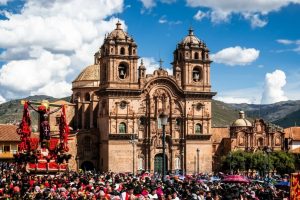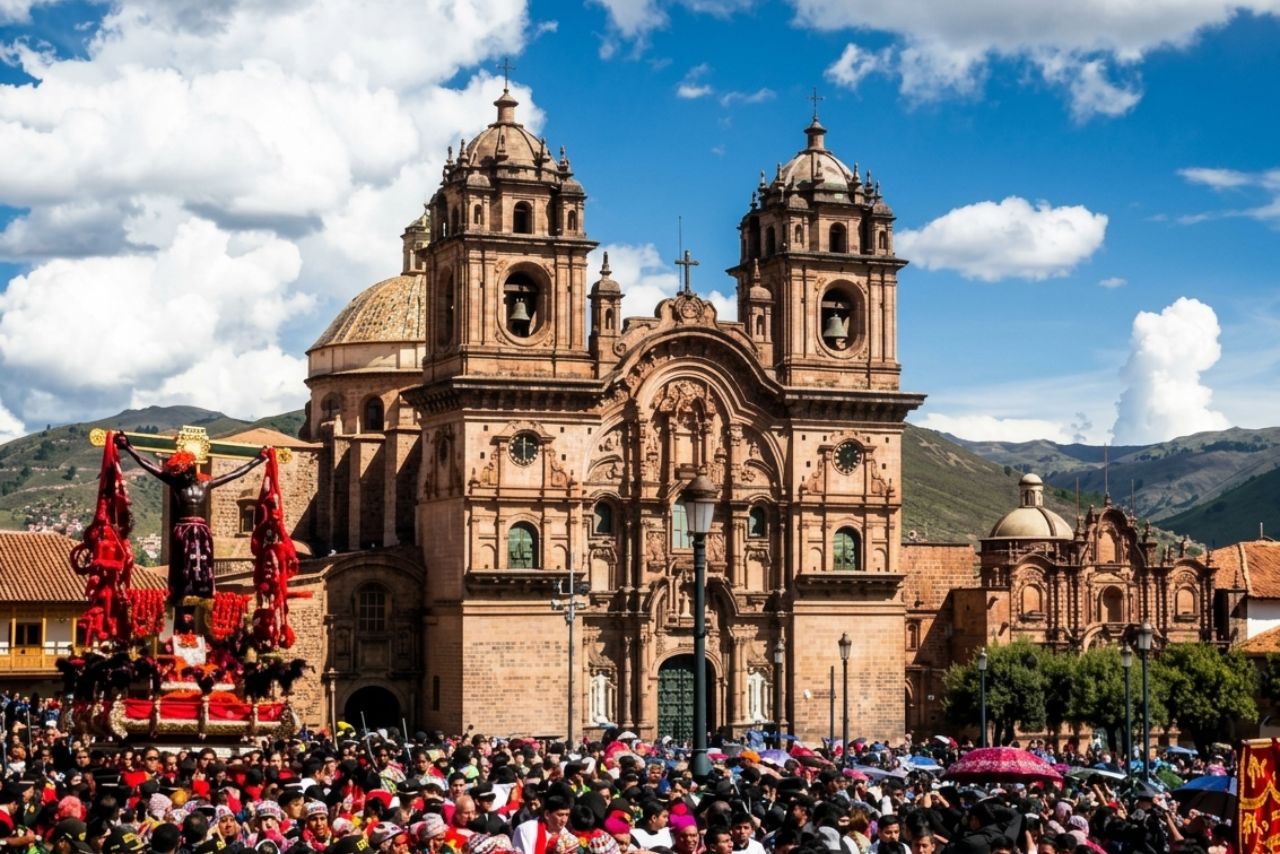
Holy Week in Cusco is unlike Easter anywhere else on earth. While most of the Christian world focuses its devotion on Good Friday and Easter Sunday, Cusco turns inward on Holy Monday, when the figure of El Señor de los Temblores, the Lord of the Earthquakes, emerges from the Basílica Catedral and moves slowly through the city’s colonial streets.
Semana Santa in Cusco runs from 29 March to 5 April in 2026. It is one of the most powerful cultural events in South America, a week where Catholic ritual and Andean spiritual tradition fold into one another so completely that it is impossible to separate them.
For travelers already drawn to Peru, there may be no more rewarding time to arrive. This is what to expect, day by day.
Key Takeaways: Holy Week in Cusco 2026
- Holy Week in Cusco is one of the city’s most powerful cultural and religious moments.
- The most important event is the Holy Monday procession of Señor de los Temblores.
- Semana Santa in Cusco blends Catholic tradition with deep Andean heritage.
- Key customs include the twelve dishes, church visits, processions, and local markets.
- Good Friday also brings the Hampi Rantikuy fair and solemn public observances.
- It is one of the most meaningful times to experience Cusco beyond its landmarks.
- Planning early matters, as the city draws strong interest during this period.
What Makes Semana Santa in Cusco Different

Easter in Peru is celebrated across the country, but Cusco’s Holy Week stands apart for two reasons. First, the city’s central event falls on Holy Monday rather than Good Friday.
Second, the traditions here reveal one of the most vivid examples of religious syncretism in the Americas: Inca spiritual practice braided seamlessly into Catholic ceremony.
The red ñucchu flowers thrown during the Señor de los Temblores procession are a case in point. In Catholic symbolism, they represent the blood of Christ. But in Andean tradition, the same flower was used as an offering to the deities Kon and Wiracocha.
The ch’ayñas, women who sing devotional hymns in Quechua during the procession, perform songs that were declared Cultural Heritage of the Nation in 2014. The language is pre-colonial. The faith is not. And the result is something that belongs entirely to Cusco.
The Procession of El Señor de los Temblores

The story begins on 31 May 1650, when a devastating earthquake struck Cusco. Buildings collapsed. Churches crumbled. In desperation, the people carried a dark-skinned figure of the crucified Christ from the cathedral into the streets.
According to local tradition, the moment the image appeared, the tremors ceased. The figure was declared the Patrón Jurado of Cusco, the city’s sworn protector, and has been venerated ever since.
Every Holy Monday, the Señor de los Temblores is borne on ornate andas through the historic centre. The procession begins at the Catedral del Cusco in the afternoon and unfolds over several hours. Balconies are draped with woven textiles and fine tapestries. The crowd scatters petals of ñucchu. The sound of the pututu horn echoes off the stone walls.
The route passes through Plaza San Francisco, where the first blessing is given, then to the Church of La Merced for a brief rest. The figure returns to the Plaza de Armas for the final benediction to the four cardinal points. Roughly 80,000 people gather to receive it. In 2026, the procession falls on Monday 30 March.
This is the single most significant religious event in Cusco’s calendar and one of the most attended processions in all of Peru.
Best Time and Place to Experience the Procession
If you want to witness the procession at its most moving, plan to be in or near the Plaza de Armas well before late afternoon. Crowds build steadily through the day, and by evening the square becomes the emotional centre of Holy Week in Cusco, especially around the final blessing.
If you prefer a less compressed view, sections of the route near San Francisco and La Merced can feel slightly more manageable than the main square, while balconies and hotel terraces overlooking the procession route offer a more elevated perspective for those who book ahead.
Carry a light rain layer, stay hydrated, and expect slow movement through the historic centre.
READ ALSO: Easter Celebrations in Peru: A Complete Guide to Semana Santa Traditions
Day-by-Day Guide to Holy Week in Cusco 2026

Palm Sunday (29 March): Domingo de Ramos
Families arrive at mass carrying crosses woven from palm leaves. These are blessed during the service and hung above doorways for protection. All churches open their doors, and visitors can enter without the usual admission fee.
Holy Monday (30 March): The Señor de los Temblores
The defining event of Cusco’s Semana Santa. See above for the full procession details. Arrive early; the Plaza de Armas fills quickly.
Holy Thursday (2 April): Jueves Santo
Two traditions converge. First, the feast of twelve dishes: families gather around tables laden with plates prepared without red meat, honouring the Last Supper.
Expect lawa de maíz (corn soup), sudado de trucha (steamed trout), sopa de camarones, sugar-dusted empanadas and traditional sweets like mazamorra de durazno.
Second, the visita de las siete iglesias: an evening pilgrimage to seven historic churches through the candlelit centro histórico. Local tradition holds that a wish made during the visit will be granted.
Good Friday (3 April): Viernes Santo
The Via Crucis is re-enacted from Plaza San Francisco to the Cruz del Papa at Sacsayhuamán. Simultaneously, the Hampi Rantikuy takes place in San Francisco Square: a traditional fair selling medicinal plants, herbs and remedies from the highlands.
Tradition holds that all plants gathered during Semana Santa carry a special blessing.
Good Friday Afternoon Processions
Good Friday in Cusco is not only about the Via Crucis and Hampi Rantikuy. According to your 2026 events calendar, the afternoon also brings processions of the Holy Sepulchre and the Virgin of Sorrows, adding another layer of solemnity to the day.
Holy Saturday (4 April): Sábado de Gloria
Holy Saturday in Cusco is marked by the Easter Vigil, one of the most sacred moments of Holy Week.
Celebrated at night in churches such as Cusco Cathedral, La Compañía de Jesús and San Francisco, it begins with the blessing of the new fire and the lighting of the Paschal candle, a symbol of Christ’s resurrection.
As candles are lit across the church and bells return after days of silence, the city moves from mourning into hope.
In rural communities surrounding Cusco, some families practise purification rituals in rivers and lakes.
Easter Sunday (5 April): Domingo de Resurrección
Easter Sunday brings a more joyful close to Holy Week. Morning Masses are held across the city, especially at Cusco Cathedral, La Compañía de Jesús and Santo Domingo, marking the celebration of the Resurrection.
The risen Christ is carried through the streets in a joyful procession, and the city fills with the aromas of caldo de gallina, tamales and tortas.
In some parts of the historic centre, the day also includes music, family gatherings and festive meals shared after the restraint of Lent.
READ ALSO: Peru Traditions, Holidays & Festivals: The Annual Calendar Travelers Should Know
Our Recommended Places to Watch the Holy Monday Procession in Cusco
The most atmospheric place to witness the Holy Monday procession is around Cusco’s Plaza de Armas, where the city gathers and the occasion unfolds with its fullest sense of scale and devotion. For those who prefer a more comfortable vantage point, a number of restaurants, cafés and upper-level spaces around the square offer a more composed way to take in the experience, while still remaining close to its emotional centre.
Some are chosen for their elevated views, others for their location just steps from the procession route. Whether for a long lunch, an early dinner or a quiet drink before the city fills, these are some of the places worth considering.
Around Plaza de Armas and the Adjacent Streets
LIMO Peruvian Nikkei
Portal de Carnes 236, 2nd floor
A polished setting overlooking the square, known for its Peruvian-Japanese menu, refined ceviches and well-made pisco cocktails.
Hanz Craft Beer & Burger
Portal de Carnes 216, Plaza de Armas
A more relaxed option in the heart of the centre, good for casual dining and a less formal pause before the procession begins.
Fusión Andina
Portal de Carnes 260
A contemporary interpretation of Andean flavours, with local ingredients presented in a more modern way.
La Retama
Portal de Panes 123, Plaza de Armas
A central choice for familiar Peruvian classics, well placed for those who want to remain directly connected to the square.
Morena Peruvian Kitchen
Portal Harinas 181, Plaza de Armas
A lively and popular address for contemporary Peruvian cuisine with bold local character.
Mulli
Portal de Panes 167
A more thoughtful, ingredient-led approach to Andean gastronomy, with a seasonal and elevated feel.
Don Pancho Taberna
Portal de Panes 151, Plaza de Armas
A traditional-feeling stop for Creole and Peruvian dishes in one of the city’s most iconic settings.
Mistura Grill Cusco
Portal de Panes 137
A casual option for straightforward Peruvian cooking, convenient for its location near the square.
Tunupa Restaurante
Portal de Confituría 233, Plaza de Armas
A larger venue known for its broad menu and lively atmosphere, close to the centre of the procession route.
Sagrado Restaurante
Calle Plateros 309, corner of Plaza de Armas
A good choice for lighter fare, with vegan, organic and gluten-free options near the heart of the city.
Il Olivo Trattoria Ristorante
Calle Plateros 365
A nearby alternative for those who would prefer Italian cuisine within easy reach of the square.
República del Pisco
Calle Plateros 365
A well-known stop for pisco cocktails and Peruvian dishes, ideal before or after the main event.
Ofrenda Peruvian Healthy Food
Calle Plateros 359
A lighter, plant-forward option for those who prefer a more nourishing style of dining.
Café Macchiato
Calle Marqués 238
A convenient café for coffee and small bites, within walking distance of the procession route.
Micaela Restaurant
Portal de Comercio 121
A comfortable central option with an international menu and Peruvian touches.
Calle del Medio
Calle del Medio 113, Plaza de Armas
A vibrant stop for cocktails and casual dishes in the historic centre.
Cafetería Hotel Cusco Plaza de Armas
Portal de Comercio 113
A practical choice for a coffee or light meal, with immediate access to the square and its atmosphere.
If you would like to experience the procession from one of these addresses, it is worth reserving ahead where possible. On Holy Monday, the best-positioned tables and balconies are quickly sought after, and the historic centre grows steadily busier as the afternoon unfolds.
The Easter Food of Cusco: The Feast of 12 Dishes
Food is inseparable from Semana Santa in Cusco. The feast of twelve dishes on Holy Thursday is one of Peru’s most cherished culinary traditions, and understanding it adds a layer of meaning to the week.
Each of the twelve plates represents one of the apostles. Red meat is avoided throughout Lent, so the table is filled with what the Andes provide: corn soups, river fish, shrimp, root vegetables, grains and an array of traditional sweets.
Dishes may also include roast pork or lamb, Cusco-style tamales, and seasonal breads enjoyed after Mass. The atmosphere is warmer and more celebratory, offering a clear contrast to the solemnity of the days before.
Common dishes include lawa de maíz, chupe de camarones, trucha al vapor, pesque de quinua and empanadas de Semana Santa, sweet pastries dusted with sugar and colourful sprinkles.
It is less a meal than a ritual of abundance and gratitude, shared among extended families. For visitors, some restaurants and hotels in Cusco offer their own versions of the twelve-dish tradition during the week.
A Tradition That Varies by Household
Although Holy Thursday is the day most commonly associated with the twelve dishes, some Cusqueñan families keep the custom on Good Friday instead, depending on family practice and belief.
That small detail is worth noting because it reflects the lived nature of Semana Santa in Cusco. Traditions are deeply rooted, but they are also personal, local and passed down through households rather than fixed in exactly the same way everywhere.
The Dishes That Define Holy Week in Cusco
Holy Week in Cusco is also expressed through the table. Across the city, families prepare a rich spread of soups, fish dishes and sweets that reflect both faith and local tradition.
While the custom is often referred to as the twelve dishes, the exact number and selection can vary from one household to another.
Soups
1. Lawa
A comforting corn-based soup, often scented with huacatay, that is deeply rooted in Andean cooking.
2. Pumpkin Soup
Smooth and warming, this version is often enriched with fresh Andean quesillo cheese.
3. Chupe de Camarones or Machas
One of the most prized dishes of the season, prepared with shellfish and known for its richness and depth of flavour.
Main Dishes
4. Ceviche
Peru’s most iconic dish also appears during Holy Week, bringing brightness and freshness to the table.
5. Fried Trout with Rice
A classic highland favourite made with river trout from the Andes.
6. Tuna Stir-Fry
A dish that reflects the meeting of coastal ingredients with highland cooking traditions.
7. Pumpkin and Tarwi Stew
A nourishing preparation made with tarwi, sometimes called Andean soy, valued for its protein and earthy flavour.
Desserts and Baked Traditions
8. Mazamorra de Chancaca
A traditional sweet prepared with chancaca, the deep, caramel-like syrup made from unrefined sugarcane.
9. Cinnamon Rice Pudding
Creamy and fragrant, this dessert is gently infused with cinnamon.
10. Peach and Apple Compote
A sweet preparation that recalls the orchard traditions of the Sacred Valley and the region’s love of slow-cooked fruit.
11. Cusco-Style Empanadas
A beloved local pastry with colonial roots, often enjoyed during festive and religious occasions.
12. Suspiro or Meringues
Light and delicate, these sweets bring an airy finish to the meal.
Beyond the traditional twelve dishes, some households may also prepare baked treats such as jurka bread or maicillos, depending on family custom.
Jurka Bread or Cake is one of the more rustic seasonal treats associated with the period, baked in wood-fire ovens. While Maicillos are crisp toasted corn biscuits that add a distinctly Andean note to the Holy Week table.
READ ALSO: Peru Traditions, Holidays & Festivals: The Annual Calendar Travelers Should Know
Practical Tips for Visiting Cusco During Semana Santa
Cusco during Semana Santa is a high-demand period. Promperú estimates approximately 1.9 million domestic travellers will move across Peru during the 2026 holiday. Flights and hotels book quickly, so planning well ahead is essential.
Altitude (3,400 metres) can catch visitors off guard, particularly during long processions. Arrive at least a day early to acclimatise. Carry water. Dress in layers. April evenings in Cusco are cool, and afternoon rain is common.
Photography is welcome during outdoor processions, but discretion is expected inside churches. For a quieter vantage point, balconies overlooking the Plaza de Armas offer an elevated perspective. Some hotels along the route reserve spaces for guests.
Holy Thursday and Good Friday are public holidays in Peru. Banks and government offices close. Tourist services generally remain open, but confirm arrangements in advance.
READ ALSO: What Peruvians Eat for Easter
Frequently Asked Questions About Easter in Peru
Holy Week in Cusco runs from 29 March to 5 April 2026, with the most important local celebration taking place on Holy Monday, 30 March, during the procession of Señor de los Temblores.
The central event is the Holy Monday procession of El Señor de los Temblores, the sworn patron of Cusco. While many places focus on Good Friday, Cusco’s Semana Santa is defined above all by this procession.
Señor de los Temblores, or the Lord of the Earthquakes, is the dark-skinned image of Christ venerated in Cusco as the city’s protector. Local devotion is closely tied to the 1650 earthquake, after which the image became central to Cusco’s religious life.
Cusco’s Holy Week is distinctive because its main act happens on Holy Monday, not Good Friday, and because the celebration visibly blends Catholic ritual with Andean symbolism, including the use of ñucchu flowers and long-standing Quechua devotional traditions.
The twelve dishes traditionally eaten during Holy Week represent the twelve apostles. Typical foods include corn soup, trout, shrimp soup, rice or grain dishes, empanadas, mazamorra and other traditional sweets, though the exact menu varies by family.
Good Friday includes the Via Crucis from Plaza San Francisco to Saqsayhuamán, the Hampi Rantikuy medicinal plant fair in San Francisco Square, and afternoon processions of the Holy Sepulchre and the Virgin of Sorrows.
Yes, especially for travellers interested in culture, faith, and living tradition. It is one of the most meaningful weeks in Cusco’s calendar, but it is also a busy period, so hotels, flights and prime viewing spots should be arranged early.
Final Thoughts
Holy Week in Cusco is not simply a date on the calendar. It is a time when faith, memory and tradition take hold of the city in a way that feels deeply moving, whether you come as an observer, a believer or a curious traveller. The streets fill with devotion, the churches open their doors, and ancient customs continue to shape the rhythm of each day.
What makes Holy Week in Cusco so distinctive is the way Catholic devotion and Andean tradition continue to exist side by side. Faith is expressed not only through Masses and processions, but also through food, local custom and the shared rhythm of the city. It is this blend of spirituality, culture and continuity that gives Semana Santa in Cusco its lasting power.
To experience Cusco during Semana Santa is to see the city at its most heartfelt and most human. It is solemn, beautiful and intensely local, revealing a side of Peru that goes far beyond its landmarks.
For those drawn to journeys shaped by culture and meaning, this is one of the most powerful moments of the year to be here.
Begin Your Holy Week Journey
If Holy Week in Cusco has stirred your curiosity, we can help shape a journey around it with the depth and care it deserves. From where to stay and when to arrive to the most meaningful ways to experience the city during this sacred time, we design each trip with thoughtful detail and a strong sense of place.