
If you’re planning a trip to Peru, here are 10 things you should know before you go.
Peru is a fantastic country with a lot to offer visitors from around the world. The top ten things you should know about Peru before flying are from Enigma to prepare you for your visit.
1. Peru has three distinct climate zones
Peru can be divided into three distinct geographical regions: the coast, the mountains and the jungle. Before traveling to Peru, you should know that each region has a drastically different climate and understanding the climate patterns in the different regions will help you prepare for your trip.
The coastal region is mostly desert and the climate can be dry to extremely arid. Lima, the country’s capital, may be blazing hot in the summer and cool and drizzly in winter.
Summers in the Andes are warm and nites cold, but winters can quickly change from sunny and warm to cold and rainy. Though it rains hardest from November to March, the Peruvian jungle is hot year-round and rains almost daily.
2. Lima is worth your time
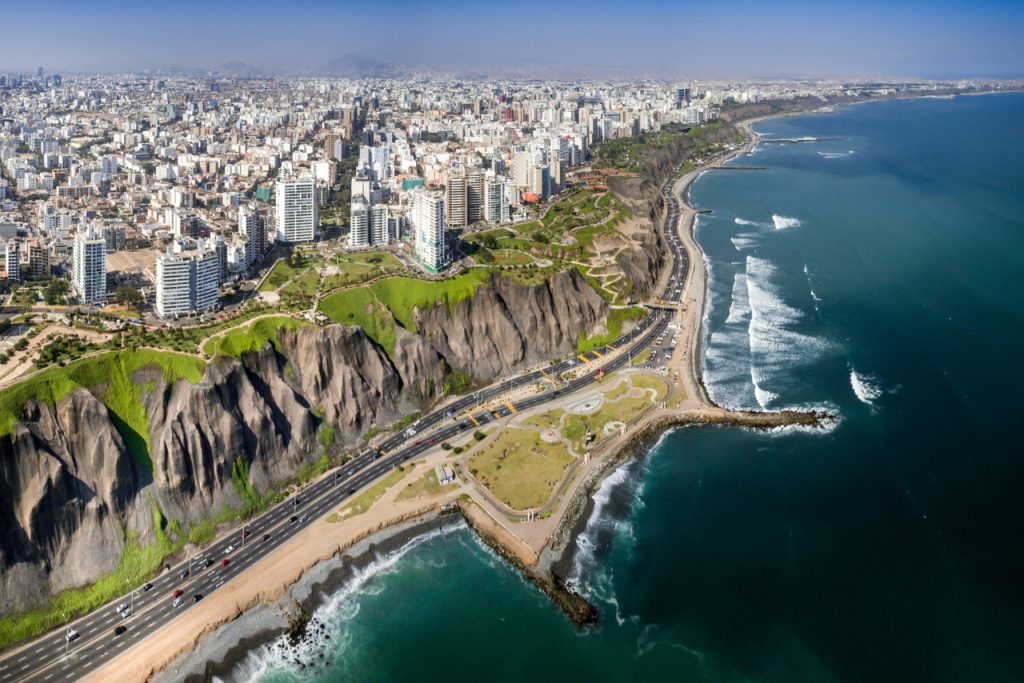
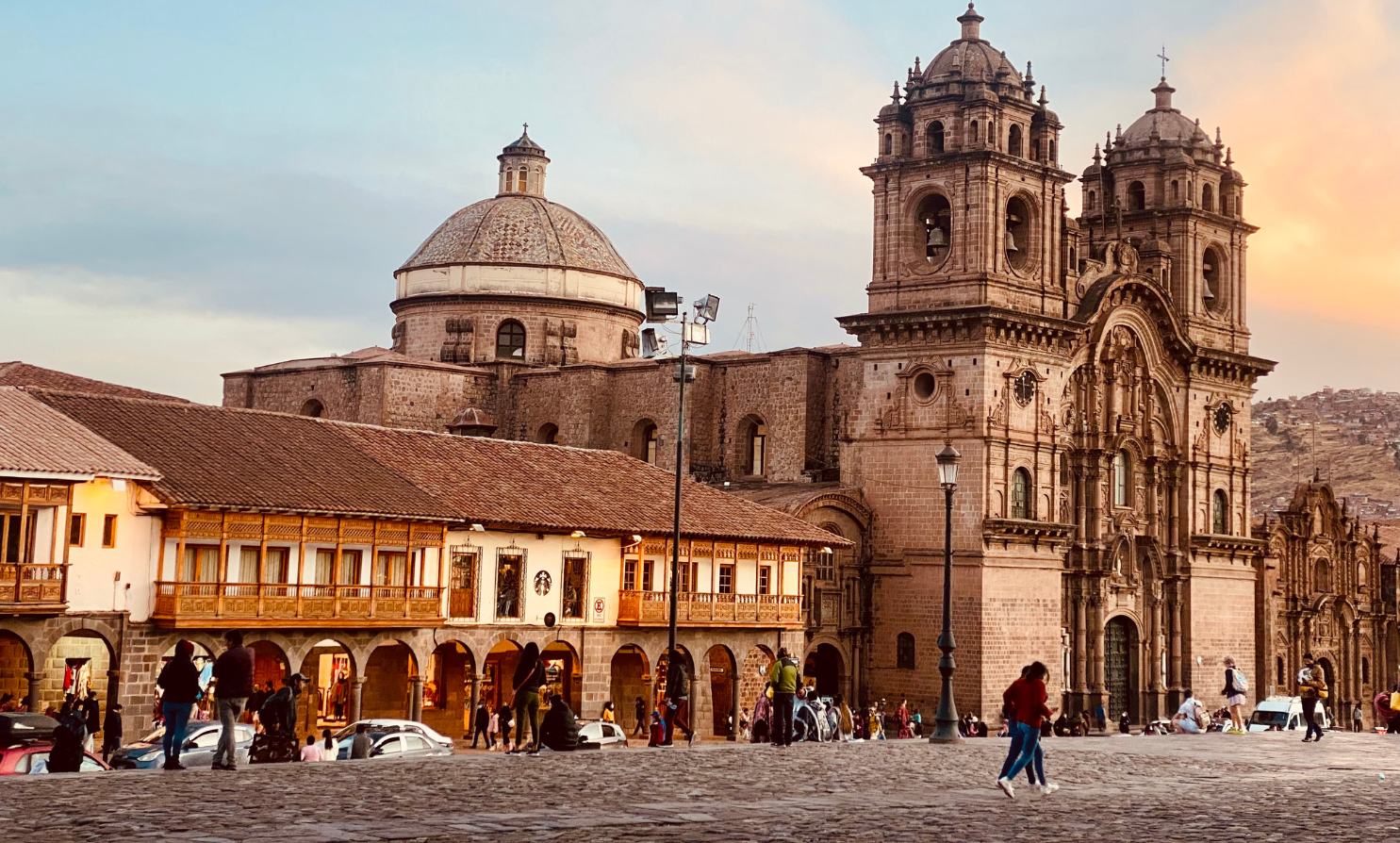
Most visitors to Peru land in Lima for one or two days before heading to Cusco and Machu Picchu. Many people are surprised to learn that Lima has a vibrant nightlife, fascinating museums, and world-class cuisine.
Miraflores is the best place to drink while overlooking the Pacific Ocean, while Barranco is full of art and creativity. Lima central and Callao, with their complex histories, are also worth visiting.
3. The food is fantastic

Peru is known for being the gastronomic capital of South America and boasts some of the best gastronomy in the world.
While traveling in Peru, don’t miss an opportunity to indulge in one of the tasty dishes this country is known for, such as ceviche, lomo saltado, pollo a la brasa, anticuchos, rocoto relleno, aji de gallina, cuy, causa and the many mouth-watering tropical fruits.
Lima is the perfect city to take advantage of Peru’s gastronomy. In the capital there are many world-class restaurants, such as Central, Astrid & Gastón and Maido, so be sure to come with an empty stomach and a healthy appetite.
4. There are no required vaccinations for Peru

The CDC recommends several vaccinations before traveling to Peru, but none are required. That list includes vaccinations for yellow fever, typhoid, hepatitis A, hepatitis B, rabies and other routine vaccinations. Moreover, when you travel through the jungle in Peru, you should take precautions against malaria.
If you’re traveling through an at-risk area, your doctor may prescribe malaria medication, but you can also wear long sleeves and pants and use bug repellent.
5. When visiting the Andes, beware of altitude sickness
Altitude sickness, known in Peru as soroche, is very common among travelers in the Andes. Many of Peru’s most fascinating attractions lie at high altitudes and if you’re not already accustomed to that environment, you may start to feel sick. Common symptoms of altitude sickness include dizziness, headaches, nausea, upset stomach, loss of appetite and shortness of breath.
To combat the effects of altitude sickness, it is recommended that you eat light the day before and while traveling through high altitudes, as well as stay hydrated by drinking plenty of water and electrolyte drinks.
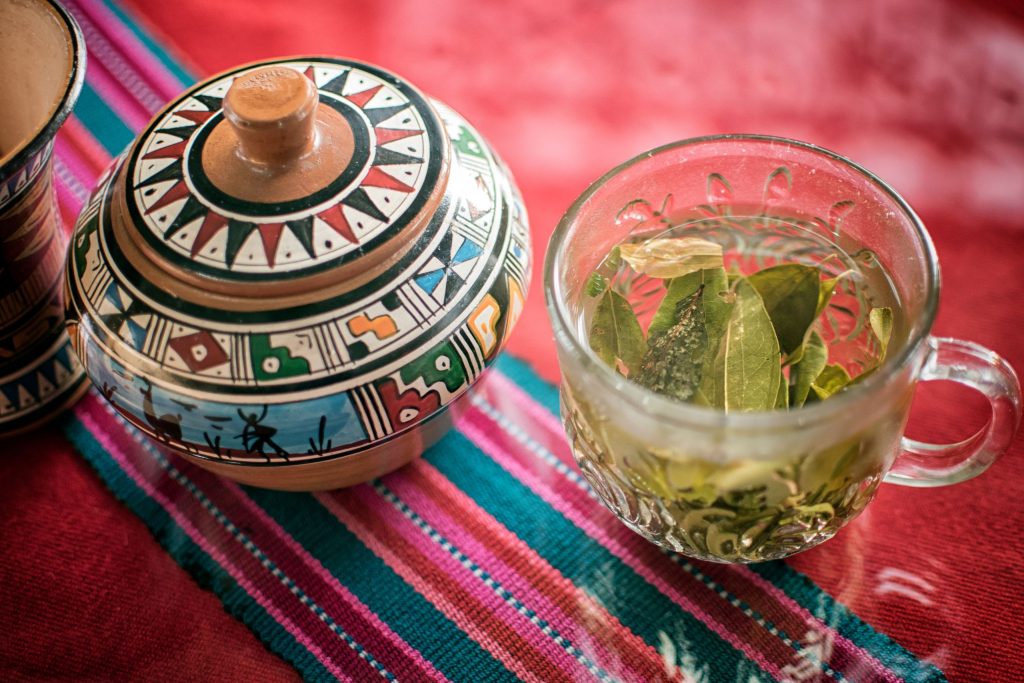
Coca leaves are another way to beat the effects of altitude. The coca leaf is a mild stimulant that works to suppress hunger, thirst, pain and fatigue, so the native people of the Andes commonly chew coca leaves or drink coca tea. You can also buy pills for soroche at any pharmacy.
6. There is more to Peru than Machu Picchu
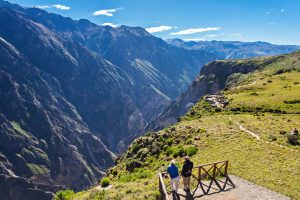
Most travelers come to Peru to see Machu Picchu and miss out on a lot of history, culture and other beautiful sights. If you have the time, pass a few days relaxing in the Sacred Valley or the Colca Canyon, or take a trip to Lake Titicaca, the largest lake in South America and the world’s highest navigable body of water.
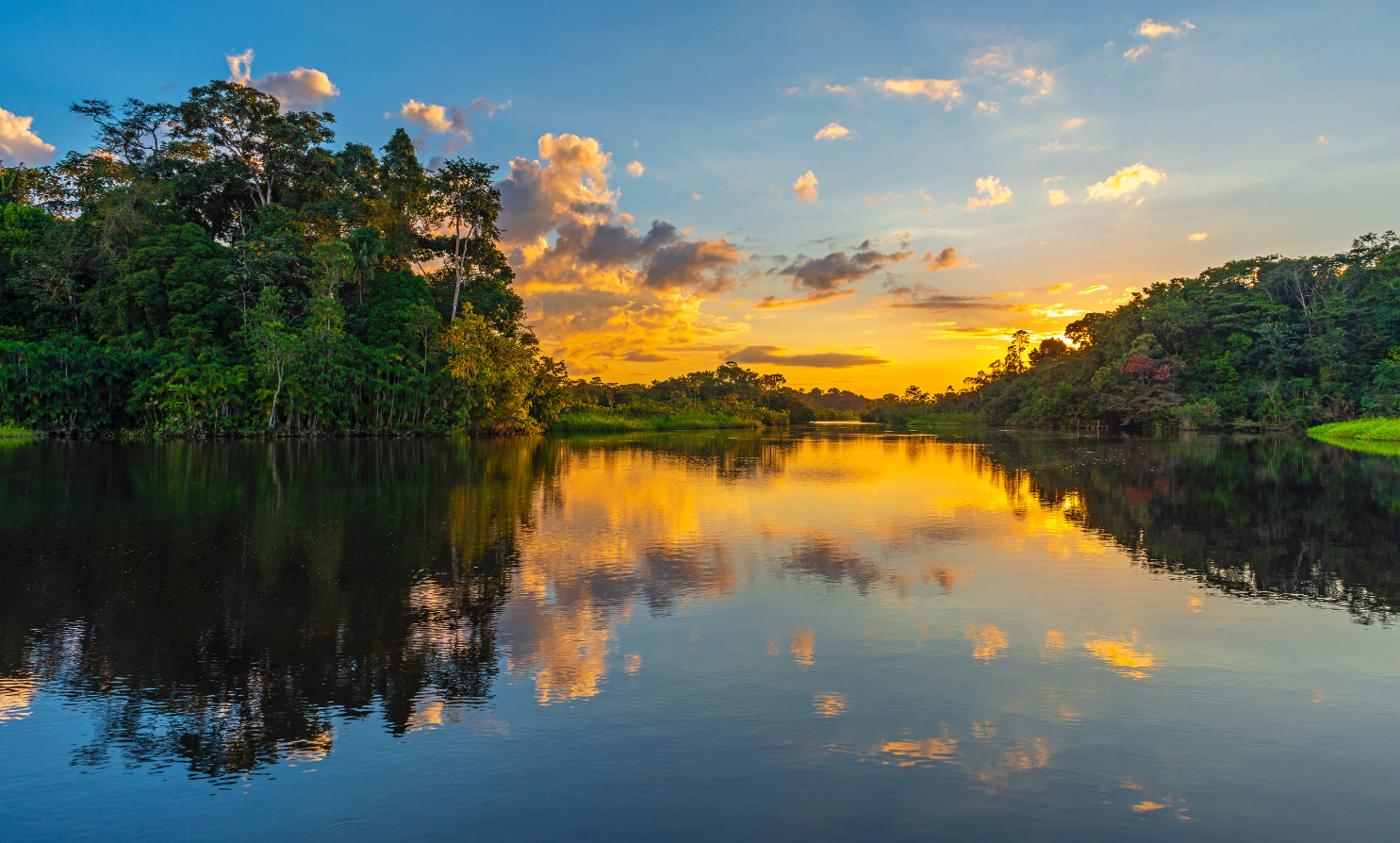
For nature lovers, the Peruvian Amazon is one of the most biodiverse places in the world; for adventurers, the Andes Mountains offer countless opportunities for trekking and climbing; and for the beach-goers, Northern Peru boasts long stretches of pristine beaches and excellent surfing.
Peru is a country that is rich in culture and history, so for those who are interested in ancient civilizations, between Chan Chan, the Nazca lines, Kuélap and more, the country has much more to offer than just Machu Picchu.
READ ALSO: 15 Most Beautiful Places in Peru — From Quaint Towns to Iconic Inca Sites
7. Cash is king
Outside the thriving metropolis of Lima, you may find that MasterCard, Visa, American Express and other cards aren’t accepted in shops and businesses. Or if they do accept credit, many places may charge you an additional fee between 6 and 10% for using your card. Your best option is to always have cash on you.
The currency in Peru is the nuevo sol and Peruvians prefer their small denominations. If you happen to be out of soles, the U.S. dollar may still be accepted in some places, but many merchants will reject overly worn or tattered U.S. bills.
8. Don’t flush your toilet paper
Peruvian plumbing can’t handle toilet paper, so be sure to throw away the paper rather than flushing it. In public restrooms, expect to see trashcans next to the toilet. Some bathrooms may have signs to remind you, but others will assume you already know.
9. Pisco is the beverage of choice

When you’re in Peru, drink like a local. Pisco is a brandy that is made from grapes and is usually consumed in cocktail form. The most famous pisco cocktail in Peru is the pisco sour, consisting of pisco, lime juice, simple syrup, egg white, ice and Angostura bitters.
Next to that is the chilcano, a refreshing drink made from pisco, lime juice, ginger ale and angostura bitters.
READ ALSO: The Craft Behind Peru’s Pisco
10. Know your emergency contacts
When traveling with Enigma, your safety and enjoyment are our top priorities and we’ll be there to help you every step of the way. But in case of an emergency, it is always good to know the emergency contact numbers in Peru. The following are important numbers that you should memorize or keep handy at all times:
- Police: 105
- Ambulance: 117 or 106
- Fire department: 116
- Tourist Police: 0800 22221
At Enigma, we know that planning a trip abroad can be quite stressful, which is why we want to make sure that you know a little more about Peru before you get there.
Knowing a few simple things before you land can take away a lot of stress, so we hope you found these tips helpful!
If you have any additional questions about traveling in Peru or what to expect, don’t hesitate to ask!