The Peruvian hairless dog, known locally as perro sin pelo, Peruvian Inca Orchid or calato (“naked”), is Peru’s national dog. It is an ancient, mostly hairless breed with smooth skin, large upright ears and an elegant, slightly otherworldly look. You’ll see them in homes, museums and sometimes at archaeological sites across the country.
Although they’re famous for having no coat, not every Peruvian hairless dog is completely bald. Some have a little hair on their heads, tails, or feet, and in some litters, both hairless and coated pups are born.
What Does a Peruvian Hairless Dog Look Like?

Peruvian hairless dogs come in three sizes, small, medium and large, so you might see a compact lap-sized dog or a more athletic, medium-to-large companion.
Their skin can be:
- Solid black, brown or grey
- Pink with darker patches
- Or a speckled mix, especially as they get older
Puppies are often born a solid dark colour and then develop striking freckled or mottled patterns as they grow. One of their most distinctive features is their upright ears, which gradually stand up as they mature and give them an alert, expressive look.
Because they are hairless, their skin shows every line and muscle, which is part of their unusual beauty – even if some people aren’t sure at first whether to call them “cute” or “strange.”
Why Are Peruvian Hairless Dogs Culturally Important?
How far back does their history go?
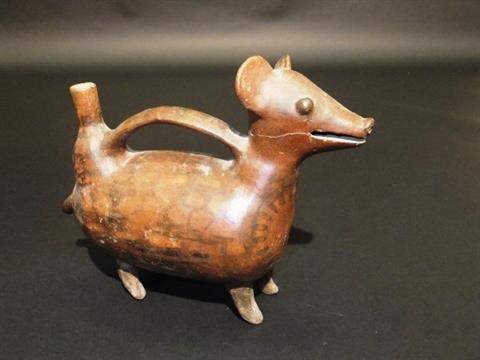
The Peruvian hairless dog is deeply connected to Peru’s pre-Hispanic history. Archaeologists have found:
- Ceramics and pottery from pre-Inca and Inca cultures depicting hairless dogs that look almost identical to today’s breed.
- Burial offerings and art that suggest these dogs were valued companions, not just working animals.
This evidence supports the idea that the breed actually originated in Peru, rather than arriving later from other continents.
How were they viewed in pre-Inca and Inca times?
In ancient times, these dogs were believed to have spiritual and mystical qualities:
- They were kept as companions by Inca nobility.
- They were sometimes dressed in ceremonial clothing for special occasions.
- Because their skin is naturally warm, they were used as bed warmers and were thought to help with aches and pains.
When the Spanish arrived, the breed nearly disappeared, some chronicles even suggest they were used as a food source. But in rural areas, especially along the coast and in some Andean communities, families continued to keep them quietly, and the breed survived.
Today, the perro peruano sin pelo is officially recognised as a distinct breed and celebrated as part of Peru’s cultural heritage, much like traditional textiles or ancient crops. You’ll sometimes see them featured alongside ruins, art and national symbols.
Where Can You See Peruvian Hairless Dogs in Peru?
If you’re curious to meet one in person, there are several ways:
- In Lima and other cities: Many Peruvians keep them as family pets, so it’s common to spot a hairless dog walking in parks or waiting calmly beside a café table.
- At archaeological sites and museums: Some sites and museums keep one or two Peruvian hairless dogs on the grounds as part of their cultural interpretation. They act as a “living link” to the pre-Hispanic past.
- In boutique hotels and cultural spaces: A few design hotels and cultural centres proudly host a resident hairless dog, often introduced to visitors as part of the experience.
If you’re traveling with a guide, you can simply mention that you’d like to see a Peruvian hairless dog up close; they’ll often know exactly where you’re likely to encounter one during your stay.
Are Peruvian Hairless Dogs Really Hypoallergenic?
Many people assume that a hairless dog must be completely hypoallergenic – but the reality is more nuanced.
- The breed produces less loose hair and less visible shedding than coated dogs, which can be helpful for people sensitive to fur.
- However, most dog allergies are triggered by dander (skin flakes) and saliva, not just by hair.
So:
- Peruvian hairless dogs can be more comfortable for some allergy sufferers, especially those who react mainly to hair and dust.
- They are not guaranteed hypoallergenic for everyone, and individual reactions vary.
If you have allergies and are considering living with one, it’s best to spend time with the breed first, ideally in a home environment to see how your body responds.
Are Peruvian Hairless Dogs Good Pets?

What is their temperament like?
Peruvian hairless dogs are generally:
- Intelligent and alert: they notice everything and learn quickly.
- Active: they enjoy regular walks and play, especially in cooler hours.
- Loyal and affectionate: they tend to form strong bonds with their families and can be quite cuddly at home.
- Instinctively protective: they may be reserved around strangers at first and will often alert you to any unusual sounds or visitors.
With proper socialisation, they become gentle, devoted companions who enjoy being close to their people.
What special care do they need?
Because of their genetics and hairless nature, they do require thoughtful care:
- Skin protection
- Very sensitive to sun: they can burn easily and may need pet-safe sunscreen when outdoors.
- Sensitive to cold and damp: in cool climates or at night, they often need coats or sweaters to stay comfortable.
- Dental health
- Many hairless individuals are born without some premolars, a side effect of the gene that causes hairlessness.
- This can make chewing hard food difficult, so they may need softer diets and regular vet check-ups.
- The coated variety usually has normal, full dentition.
- Environment
- They are not suited for extreme climates (very hot sun or very cold temperatures) without protection.
- Their skin may occasionally need gentle moisturising or special shampoos, depending on the dog.
On average, Peruvian hairless dogs live around 11–13 years, similar to many medium-sized breeds.
Who are they best suited for?
A Peruvian hairless dog can be a wonderful companion for:
- People who enjoy close, indoor living with their dog – these are not “outdoor-only” animals.
- Owners willing to manage skin and dental care conscientiously.
- Individuals or couples who value a loyal, alert, slightly unusual companion and don’t mind the extra comments and questions they attract in public.
They may be less ideal for households that:
- Prefer low-maintenance pets where grooming and special care are minimal.
- Spend a lot of time in very sunny or very cold climates without options to protect the dog.
Whether you see one trotting proudly through a Lima park or meet a calm, watchful companion at a boutique hotel, the Peruvian hairless dog is a living link between ancient Peru and the present day.
Odd, elegant, loyal and deeply Peruvian, they are a reminder that culture here is not just found in ruins and museums, it also curls up at your feet and falls asleep.
FAQs About Peruvian Hairless Dogs
They are not officially classified as endangered, but they are a rare and protected breed, closely associated with Peru’s national heritage. Responsible breeding and conservation efforts help maintain healthy population numbers.
They can be good with children when well socialised and when kids are taught to be gentle. Because of their sensitive skin, they are usually better suited to calm, respectful children, rather than very rough play.
No. Many are almost completely hairless, but some have small patches of hair on the head, tail or feet. In some litters, coated puppies also appear; these are still purebred but with full fur.
They typically live around 11–13 years, depending on size, health, diet and general care.
They are usually moderately vocal – they will bark to alert, but most can be trained to settle. Their intelligence means they respond well to consistent, positive training and quickly learn routines.