
There is something quietly compelling about Peru in September. The peak of the dry season is still with you in the Andes, the landscapes can be remarkably clear, and the days lend themselves beautifully to exploring. Around Cusco and the Sacred Valley, mountain scenery, ancient archaeological sites and living traditions come together beneath expansive Andean skies. Farther south, the highlands offer dramatic landscapes and cultural encounters, while the Amazon presents an entirely different world of dense forest and extraordinary biodiversity.
September is part of Peru’s high season, which broadly runs from May through October. For travelers, this means favorable conditions for many of the country’s most iconic experiences, particularly in the Andes. It is also a fascinating time to look beyond the obvious, with local celebrations and the opportunity to combine Peru’s celebrated highlights with less-visited places.
If you’re considering a trip, here’s what to know about visiting Peru in September.
Key Takeaways: Peru in September
- Expect dry-season conditions in the Andes: September generally brings favorable conditions for exploring Cusco, the Sacred Valley and Machu Picchu.
- Pack for changing temperatures: Peru’s varied altitudes mean mornings, evenings and different regions can feel very different. Layers are essential.
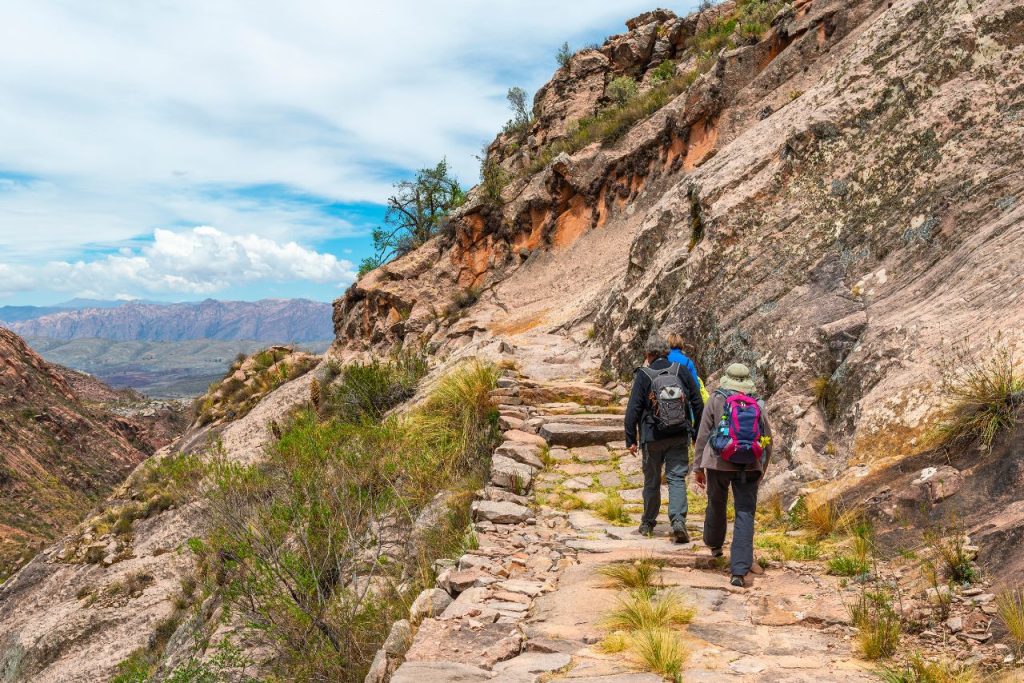
- Consider a trek: September is a strong month for experiencing Peru on foot, from the Inca Trail and Salkantay to more remote routes such as Ausangate and Choquequirao.
- Look beyond Machu Picchu: Give yourself time for the Sacred Valley, Lima, Lake Titicaca, Arequipa, the Colca Canyon or the Amazon.
- Experience local culture: September brings celebrations including the Virgen de Natividad, Señor de Huanca and San Jerónimo festivities around Cusco.
- Allow enough time: A longer stay gives you the opportunity to travel more slowly and experience the contrasts between Peru’s coast, Andes and Amazon rather than rushing between highlights.
What Is the Weather Like in Peru in September?
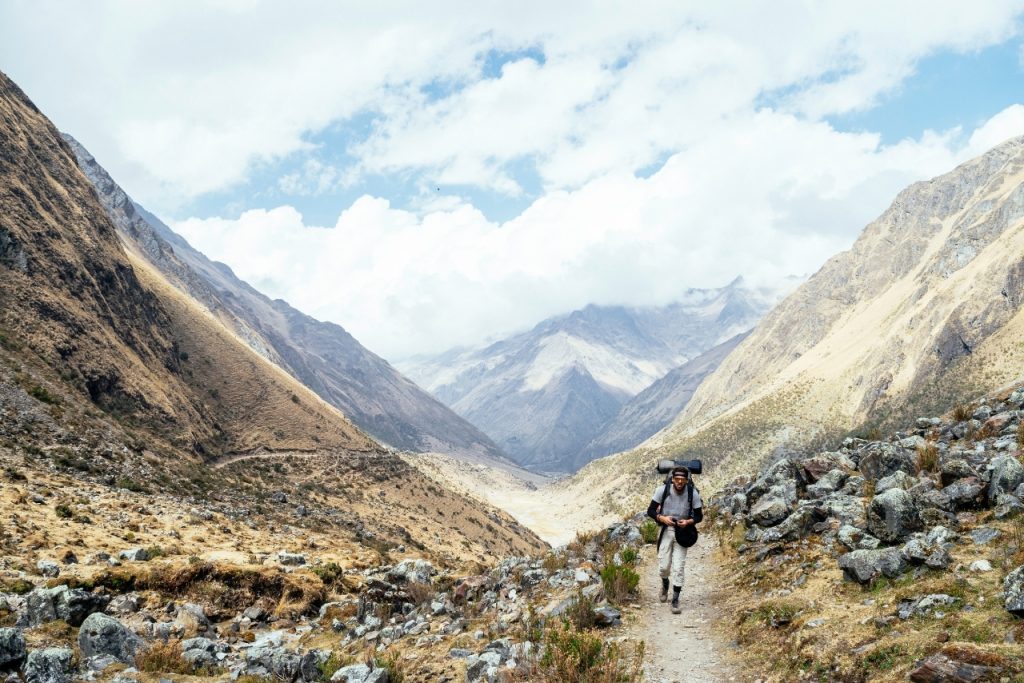
Peru’s geography makes its climate wonderfully varied. The country stretches from the Pacific coast across the high Andes and into the Amazon rainforest, so there is no single “Peru weather” to expect.
In the Andes, September falls within the dry season. Around Cusco, the Sacred Valley and Machu Picchu, conditions are generally favorable for sightseeing, hiking and exploring outdoors. Clearer skies can reveal the scale of the surrounding mountains, while the mornings and evenings at higher elevations can feel distinctly cool.
Altitude is an important part of the equation. Cusco sits at approximately 3,400 meters (11,150 feet) above sea level, while Machu Picchu is considerably lower at around 2,450 meters (8,040 feet). The Sacred Valley sits lower still in many areas.
This variation means that temperatures and conditions can change considerably over the course of a single journey. Layering is useful, particularly if your itinerary moves between different elevations.
On the coast, Lima has a completely different climate. The city is influenced by the Pacific Ocean, with conditions that can feel cool and overcast compared with the bright skies of the Andes.
And then there is the Amazon, where September brings the warm, humid conditions associated with the rainforest.
The beauty of traveling through Peru is precisely this contrast: within one journey, you can move from the Pacific coast to high-altitude mountain landscapes and then into the tropical forest.
Is September a Good Time to Visit Machu Picchu?
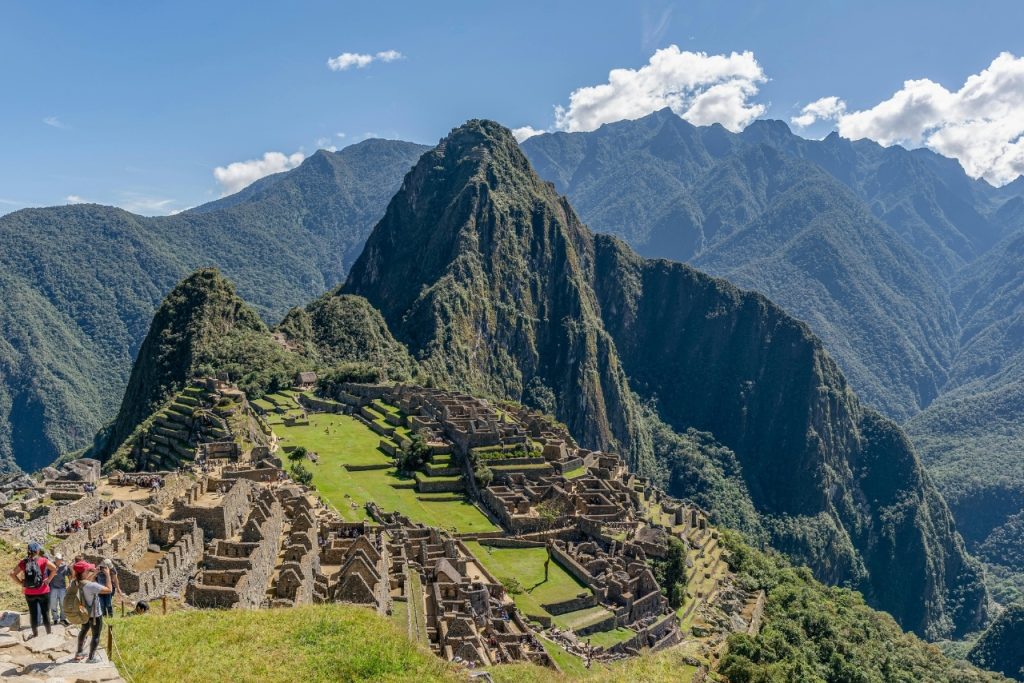
September is a popular month for visiting Machu Picchu, and for good reason.
The dry season makes it particularly appealing for travelers who want to combine their visit with time outdoors. The surrounding mountains and cloud forest create an extraordinary setting for exploring the ancient citadel, while the journey through the Sacred Valley adds another layer to the experience.
Rather than treating Machu Picchu as a quick stop between Cusco and the airport, consider giving the region more time.
The Sacred Valley is filled with archaeological sites, traditional communities, mountain landscapes and opportunities to experience Andean culture. Places such as Pisac, Ollantaytambo, Maras and Moray can be incorporated into a slower journey that allows time to appreciate both the history and the landscape.
The journey to Machu Picchu can also be part of the experience. Traveling by train through the changing landscape toward Aguas Calientes offers a dramatic transition from the highlands into the lush environment surrounding the sanctuary.
For travelers who prefer to arrive on foot, September is also an excellent period to consider one of Peru’s legendary treks.
Trekking in Peru in September
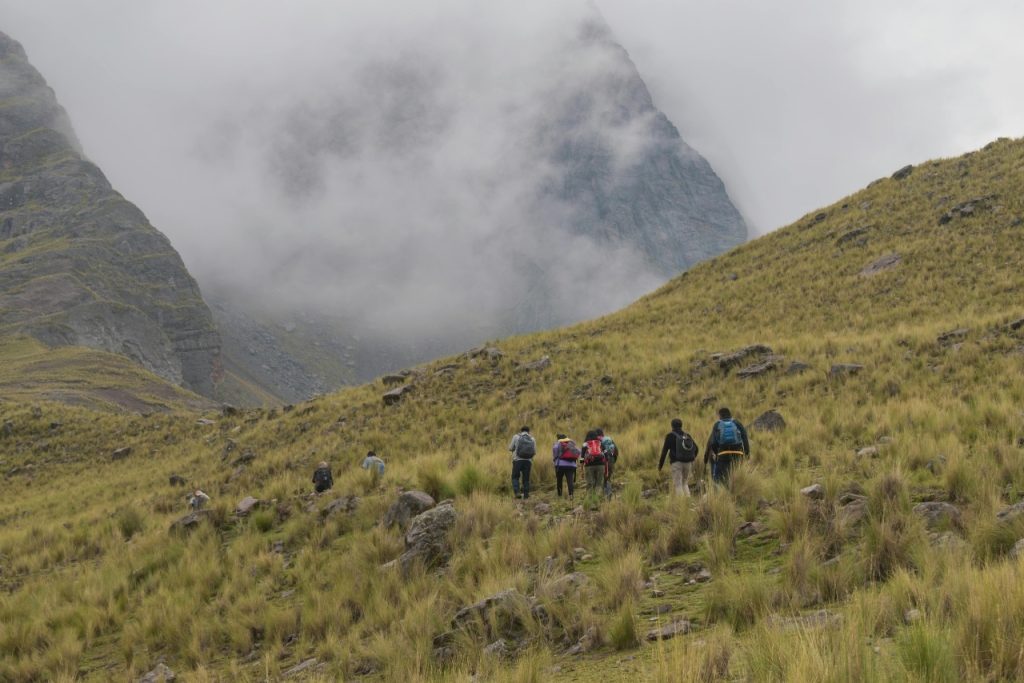
September is a particularly attractive month for trekking in the Peruvian Andes.
The dry season opens up opportunities to explore some of the country’s most remarkable mountain routes, from the iconic Inca Trail to Machu Picchu to longer and more remote trails.
The Inca Trail remains one of South America’s most famous hikes. The route combines mountain scenery, archaeological sites and changing ecosystems before culminating at Machu Picchu.
The Salkantay Trek offers a different experience, with dramatic mountain scenery, high passes and a sense of adventure as the landscape gradually changes on the way toward Machu Picchu.
For those seeking greater remoteness, Ausangate leads deep into the high Andes, where turquoise lagoons, snow-capped mountains and remote communities create an extraordinary wilderness experience.
Choquequirao is another option for experienced hikers looking for something more secluded. Its archaeological remains sit amid spectacular mountain scenery, and reaching them requires considerably more commitment than a conventional sightseeing excursion.
There are also shorter routes around Cusco and the Sacred Valley for travelers who want to experience the Andes on foot without committing to a multi-day trek.
The important thing is to choose a route according to your interests, fitness, experience and the type of landscape you want to encounter. A trek in Peru can be physically demanding, but the rewards extend well beyond the scenery. Walking through the Andes offers a rare opportunity to slow down and experience the mountains, communities and landscapes at a human pace.
September Festivals and Traditions in Cusco
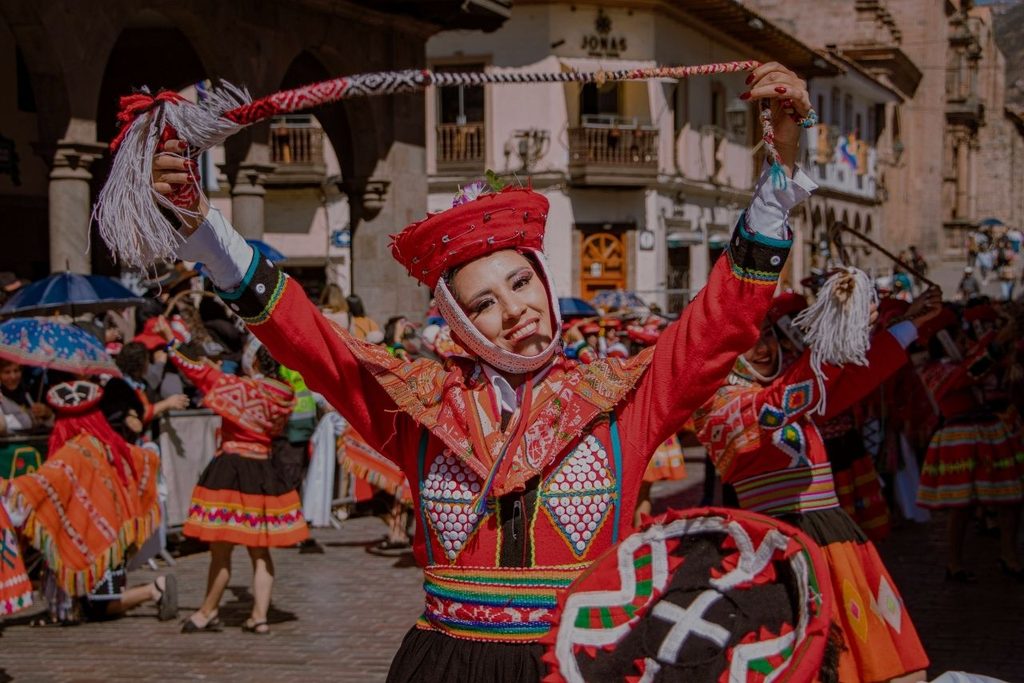
September brings several local celebrations to the Cusco region, offering another perspective on Peru’s living culture.
On September 8, the Virgen de Natividad is celebrated with dance groups parading from Almudena Cemetery through the city center toward the Main Square.
On September 14, the Señor de Huanca pilgrimage brings people to the Huanca Sanctuary for large outdoor Masses. One of the local traditions associated with the celebration is bringing new or recently purchased cars to be blessed.
Later in the month, on September 30, the San Jerónimo Festivity takes place.
For travelers interested in culture, these celebrations offer something that archaeological sites alone cannot provide. Peru’s history isn’t confined to ruins and museums. Its traditions, religious practices, music, dance, textiles and community celebrations continue to shape everyday life.
Being present during a local celebration can therefore add an entirely different dimension to a journey.
Where Should You Go in Peru in September?
One of the pleasures of traveling to Peru is the sheer range of experiences available. You can build a classic first-time itinerary around Lima, Cusco, the Sacred Valley and Machu Picchu, or use September as an opportunity to explore further.
Lima
Lima is often treated as a gateway to Peru, but it deserves time in its own right.
The capital combines colonial architecture and historic neighborhoods with contemporary art, fashion, museums and an extraordinary culinary scene. Its restaurants, markets and food traditions make it an especially rewarding destination for travelers interested in gastronomy.
A few days in Lima can provide an entirely different introduction to Peru before heading into the Andes.
READ ALSO: How to Spend a Day in Miraflores, Lima
The Sacred Valley
The Sacred Valley rewards travelers who resist the temptation to rush through it. Mountain scenery, archaeological sites, traditional communities and agricultural landscapes create an atmosphere that is very different from Cusco. It is a place where you can spend a morning exploring ancient ruins and an afternoon simply enjoying the landscape.
The valley is also a natural base for outdoor activities, cultural encounters and time in nature.
Lake Titicaca
At approximately 3,850 meters (12,630 feet) above sea level, Lake Titicaca is the world’s highest navigable lake.
The immense blue expanse of the lake is impressive in itself, but the surrounding communities and enduring traditions make the region particularly fascinating.
For travelers with additional time, a journey to Lake Titicaca can provide a completely different perspective on the highlands and the cultures that have flourished there for centuries.
READ ALSO: Lake Titicaca: A Journey to the Birthplace of the Sun
Arequipa and the Colca Canyon
Further south, Arequipa offers elegant colonial architecture, impressive churches and convents, and a distinctive culinary culture.
Beyond the city lies the Colca Canyon, where dramatic landscapes, highland communities and the sight of Andean condors soaring above the canyon create one of southern Peru’s most memorable experiences.
The region is particularly appealing for travelers who want to venture beyond the classic Cusco itinerary.
READ ALSO: Colca: The World’s Most Beautiful Silence
The Amazon
Peru’s Amazon provides perhaps the greatest contrast of all. After the mountains and high-altitude landscapes of the Andes, the rainforest feels like entering another world. Dense vegetation, waterways, wildlife and immense biodiversity define the experience.
Destinations such as Tambopata and Manu offer opportunities for nature and wildlife experiences, while the northern Amazon provides the possibility of exploring the rainforest by river.
For travelers with enough time, combining the Andes with the Amazon creates an extraordinary sense of Peru’s geographical and ecological diversity.
READ ALSO: The Peruvian Amazon: A Complete Guide to Peru’s Greatest Wilderness
What Should You Pack for Peru in September?
Packing for Peru requires thinking in terms of layers and altitude, rather than simply choosing clothes for a particular season.
For the Andes, lightweight layers, a warm fleece or sweater and a waterproof outer layer are useful. Comfortable walking shoes are essential, particularly if your itinerary includes archaeological sites or hiking.
Sun protection is also important at high altitude. Sunglasses, sunscreen and a hat can make a significant difference during long days outdoors.
If you’re trekking, your packing list will naturally need to be more specialized, depending on the route, altitude and number of days on the trail.
And don’t forget that conditions can change quickly in mountainous environments. Even during the dry season, being prepared for a change in weather is part of traveling responsibly in the Andes.
READ ALSO: What to Pack for Peru: A Luxury Traveler’s Guide
How Many Days Do You Need in Peru?
A week can allow you to experience Lima, Cusco, the Sacred Valley and Machu Picchu, although a longer stay will give you more time to settle into each destination rather than constantly moving.
Ten to fourteen days opens up more possibilities. You might add Lake Titicaca, Arequipa and the Colca Canyon, or combine the Andes with the Amazon.
For travelers who have two or three weeks, Peru becomes a much broader canvas. You can slow the pace, venture farther from the traditional routes and include more time for nature, culture, gastronomy and outdoor experiences.
The most important thing is to have enough time to experience each place properly.
READ ALSO: Peru in 10 Days: The Perfect Private Journey for First-Time Visitors
Is September a Good Month for Peru?
For many travelers, September offers an appealing combination of favorable conditions, outdoor opportunities and cultural experiences.
The Andes are still in the dry season, making it a particularly attractive period for trekking and exploring the Cusco region. Machu Picchu and the Sacred Valley can be combined with local festivities, while travelers with more time can venture toward Lake Titicaca, Arequipa and the Colca Canyon or into the Amazon.
But perhaps the greatest appeal of September is the opportunity to experience Peru beyond its most famous landmarks.
Machu Picchu may be the place that first draws you here, but it doesn’t have to be where the story ends.
Peru is a country of extraordinary contrasts: coast and mountains, desert and rainforest, ancient archaeological sites and living traditions, sophisticated cities and remote communities. The more time you give it, the more those contrasts begin to make sense.
And September can be a beautiful moment to discover them.
Plan Your Journey to Peru in September
Peru has a remarkable way of rewarding curiosity. Whether you are drawn by the Andes, ancient history, extraordinary landscapes, local traditions, gastronomy or the possibility of going somewhere few travelers ever reach, there is much more to discover beyond the familiar.
Let’s create a private, tailor-made journey around the way you want to experience Peru.