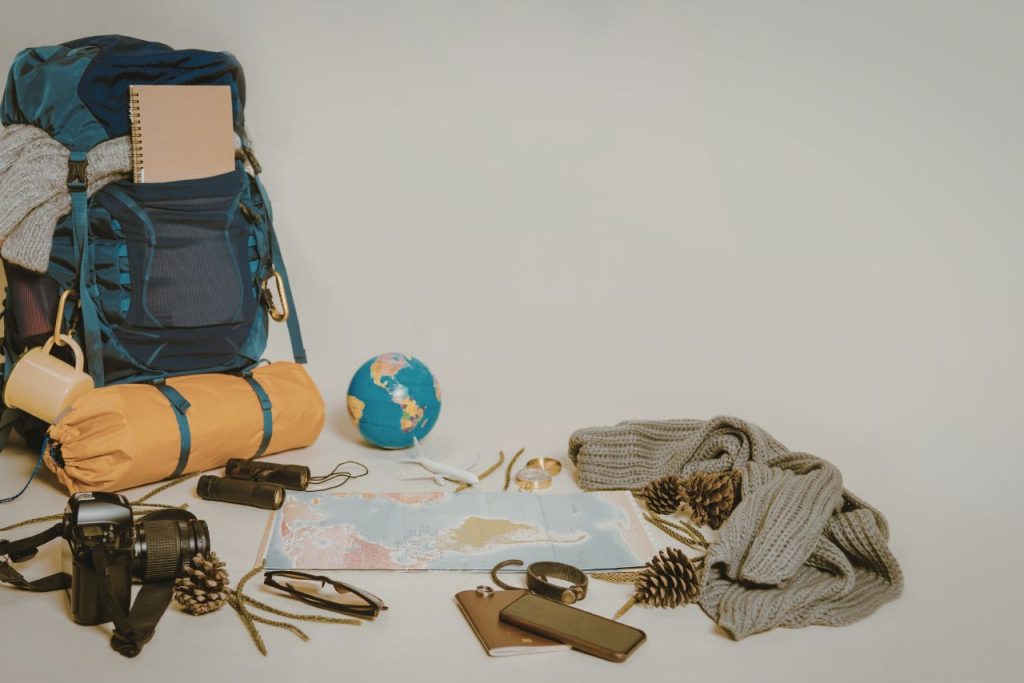
Packing for Peru is less about bringing more and more about bringing the right things.
A single journey can take you from dinner overlooking the Pacific in Lima to a cool morning in the Sacred Valley, an afternoon walking through Machu Picchu, cocktails aboard a luxury train and, a few days later, the humidity of the Amazon rainforest.
The answer is not five different wardrobes.
It is a carefully considered collection of pieces that layer well, travel beautifully and can move comfortably between Peru’s very different landscapes.
At Enigma, pre-arrival information is part of the journey-planning process, including practical guidance on Peru, health and safety, and what to bring. For a luxury traveler, we would approach packing in much the same way we approach the itinerary itself: prepare for what matters, keep things flexible and leave room to enjoy where you are.
Here is what we recommend packing for Peru.
First, Understand Peru’s Different Climates
Perhaps the most important thing to know before opening your suitcase is that there is no single “Peru weather.”
A classic journey may combine the Pacific coast, the high Andes and eventually the Amazon rainforest. Enigma describes Peru through these three distinct geographical regions, with classic itineraries moving from sea level to elevations above 4,000 meters.
That means you might leave a relatively mild Lima morning and arrive several hours later in the Sacred Valley, where sunshine can feel surprisingly warm during the day before temperatures fall after sunset.
The solution is layering.
Scott Dunn similarly recommends layered clothing for Peru’s highlands, including long sleeves, warmer layers and waterproof outerwear, alongside sturdy walking shoes for archaeological sites and city exploration.
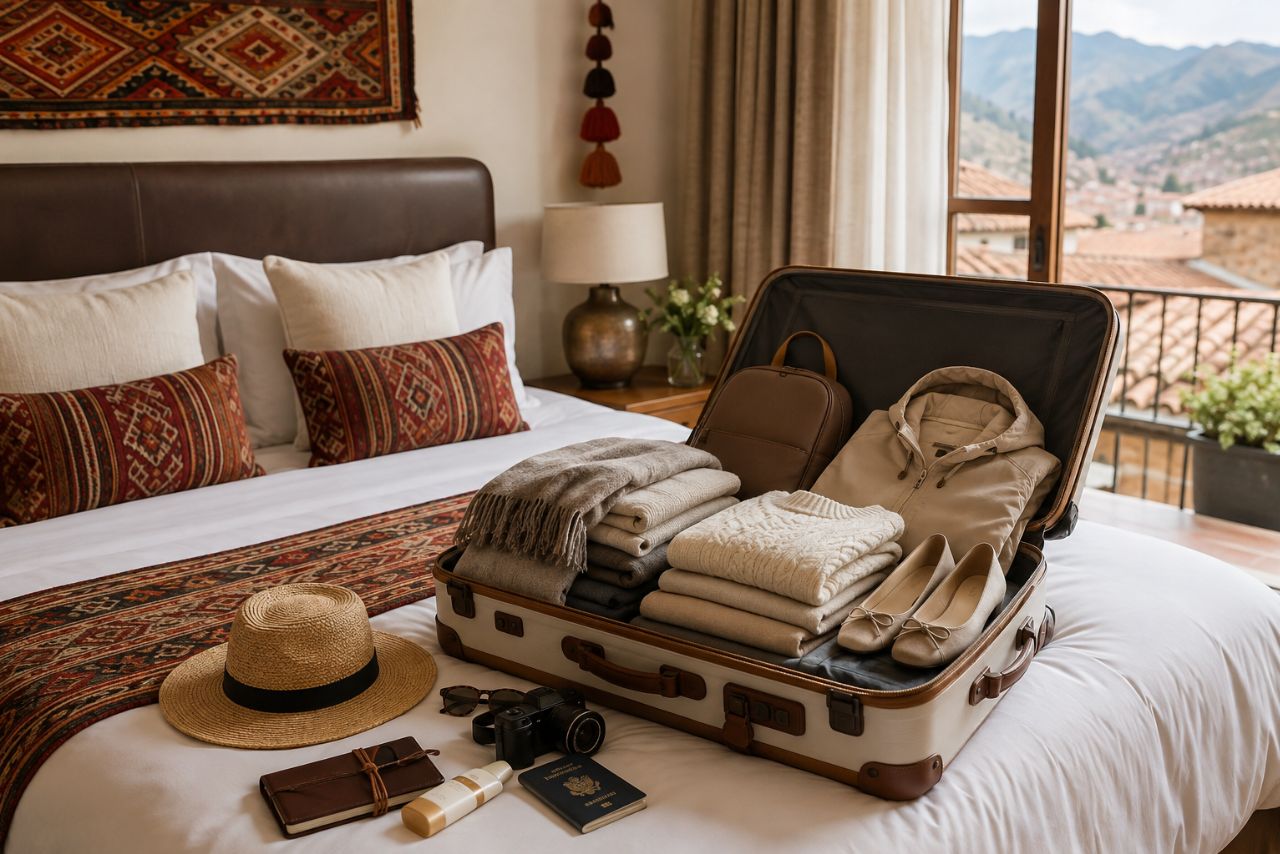
For most luxury Peru journeys, a capsule wardrobe built around lightweight shirts, comfortable trousers, knits and one excellent outer layer will take you remarkably far.
What Clothes Should You Pack for Peru?
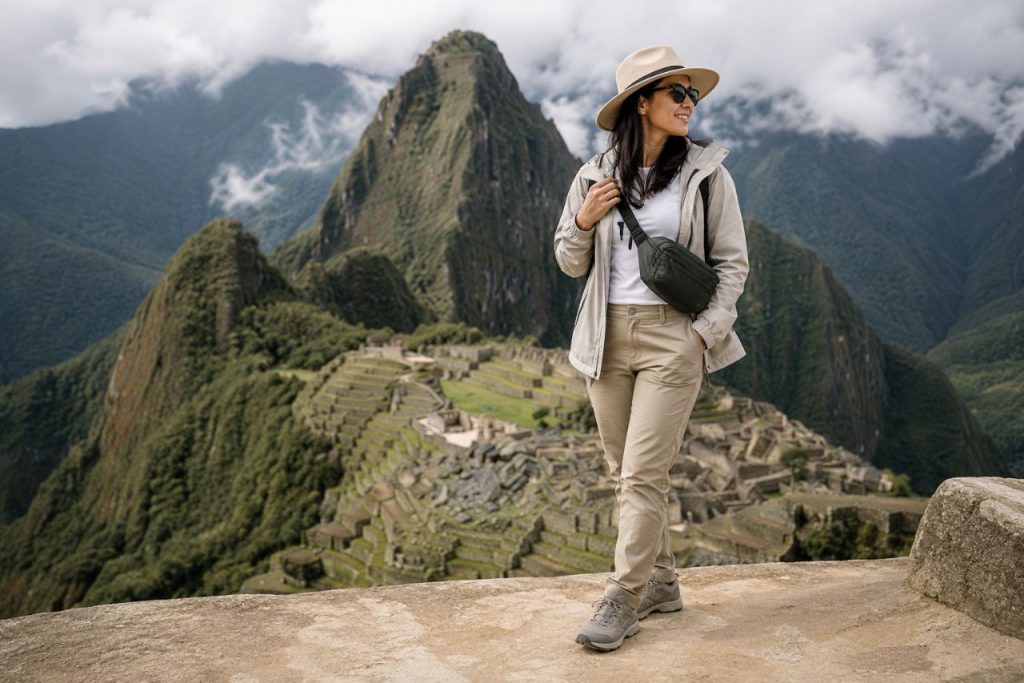
Start with pieces you can wear in more than one setting.
A crisp shirt might work for breakfast at your hotel, a day exploring the Sacred Valley and dinner later that evening. Tailored but comfortable trousers can move between a private tour in Lima and a train through the Andes. A fine knit can live in your day bag until the temperature falls.
For a typical Peru itinerary, we would pack several breathable tops or shirts, comfortable trousers, one or two warmer layers, a lightweight waterproof jacket, sleepwear and a few pieces for dinners and relaxed evenings.
Natural and technical fabrics that breathe, layer easily and do not crease excessively are particularly useful.
There is little need to fill your suitcase with formalwear. Even Peru’s most luxurious journeys tend to have a relaxed sense of elegance. You want to look polished, but you also want to be able to walk across cobblestones, step onto a train or sit outside as the temperature changes.
A light scarf or wrap is one of those small pieces that earns its place repeatedly. It can provide warmth in the Andes, make an evening outfit feel more finished and take almost no room in your luggage.
What to Pack for Lima

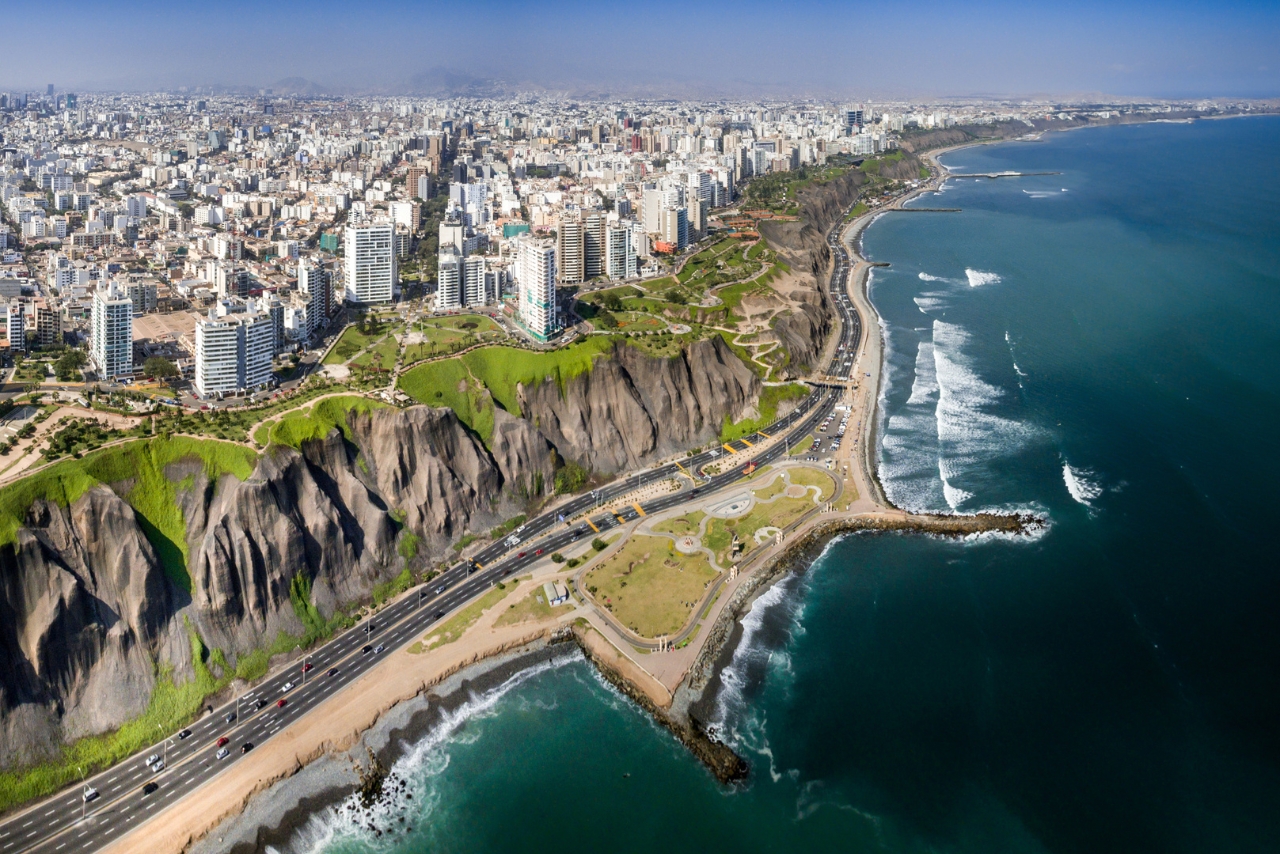
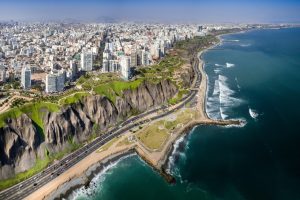
Lima requires the least technical wardrobe of the trip. The capital is where you may want to pack some of your more polished pieces, particularly if your itinerary includes the city’s acclaimed restaurants, galleries or an evening in Barranco or Miraflores. Enigma recommends at least two nights in Lima, where gastronomy, art, fashion and historic architecture can all form part of the experience.
During the day, smart casual clothing works well. Comfortable trousers, dresses, shirts, blouses and good walking shoes will cover most plans.
For dinner, bring something you genuinely enjoy wearing. A midi dress, relaxed tailoring or elegant separates work beautifully without feeling overly formal.
And keep a light jacket or knit close. Lima’s relationship with the Pacific can make it feel cooler than travelers expect.
READ ALSO: How to Spend a Day in Miraflores, Lima
What to Wear in Cusco and the Sacred Valley
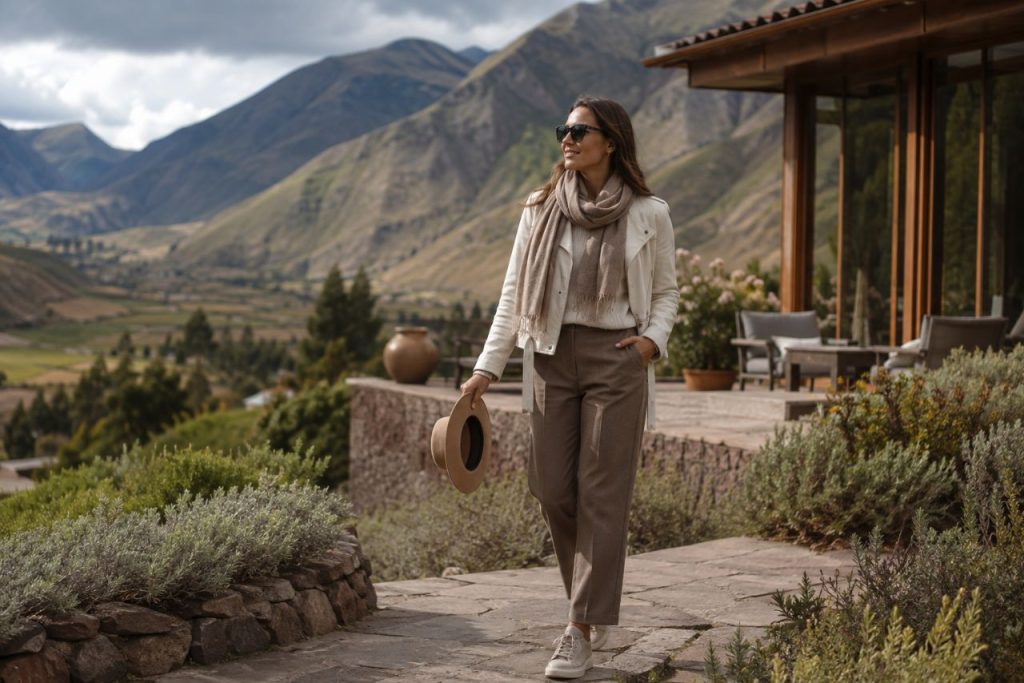
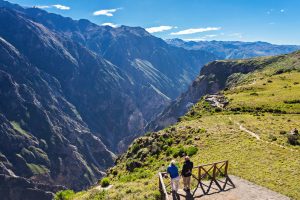
The Andes require more thought because temperatures can change considerably during the course of a day. Your most useful pieces will be those you can add and remove easily.
Start with a breathable base layer, then add a shirt, fine sweater, or fleece and keep a lightweight jacket available. Sun protection matters too, so sunglasses and a hat deserve a place in your day bag.
Cusco is also a walking city. Beautiful historic streets and Inca stonework are part of its appeal, but uneven surfaces make comfortable footwear far more useful than delicate shoes.
The Sacred Valley offers everything from archaeological sites and communities to horseback riding, kayaking and mountain biking, so what you pack should reflect the experiences on your individual itinerary. Our programs in this region include trekking, biking, rafting, kayaking and horseback riding as well as cultural experiences and luxury properties.
And because Cusco sits higher than the Sacred Valley, evening layers become particularly valuable as your journey moves through the region.
READ ALSO: Sacred Valley Peru Travel Guide: Why Travelers Are Choosing Longer Stays
What to Pack for Machu Picchu

For Machu Picchu, comfort wins. Choose breathable layers, trousers you can move easily in and well-tested walking shoes with dependable grip. A lightweight waterproof layer is worth carrying even when the forecast looks favorable.
Your day bag should remain relatively small.
Current rules for the Machu Picchu archaeological site prohibit bags and backpacks larger than 40 x 35 x 20 cm, so this is one occasion where a compact day bag is not simply stylish but practical.
Pack only what you need for the visit: sunglasses, sun protection, your required documents, a lightweight outer layer and other personal essentials permitted under current site rules. Always check the latest regulations before traveling, as access requirements can change.
READ ALSO: Machu Picchu in March 2026: Fewer Crowds, Lush Landscapes and Lower Prices
And what if you are taking the Hiram Bingham?
This is one of those questions Enigma guests genuinely ask: Do I need to dress up for the train?
The answer is no.
The Hiram Bingham may feel wonderfully glamorous, but for many travelers it forms part of the same day as their Machu Picchu visit. You do not need a cocktail dress, heels or formal evening attire for the return journey.
Comfortable, polished travel clothing is much more appropriate. Consider tailored trousers, a beautiful shirt or knit, smart trainers or other comfortable walking shoes and perhaps an elegant jacket or scarf.
You can go from Machu Picchu to drinks, dining and live music aboard the train without changing the entire character of your outfit.
READ ALSO: The Best Luxury Train Journeys in Peru: Machu Picchu, Lake Titicaca and the Andes
Choose Your Shoes Carefully
If there is one thing we would not leave until the week before departure, it is footwear.
Peru is not the place to break in a beautiful new pair of shoes.
Bring at least one pair of comfortable walking shoes or trainers you already know you can wear for several hours. They should be supportive enough for cobbled streets and archaeological sites and polished enough that you do not feel permanently dressed for a hike.
If your itinerary includes trekking or more demanding outdoor activities, pack footwear specifically suited to that experience. Scott Dunn’s Inca Trail guidance similarly emphasizes appropriate footwear and keeping a waterproof layer and other weather essentials accessible during hiking days.
A second pair can then serve your city and evening plans: loafers, comfortable flats or another lightweight option that packs easily.
High heels are rarely essential. Peru rewards travelers who can walk.
What to Pack for Lake Titicaca
Lake Titicaca calls for your warmest Andean layers.
The lake sits at approximately 3,850 meters, and we recommend a minimum of two nights when including the region in a Peru itinerary.
Pack a warm knit, jacket, long trousers, sunglasses and sun protection. A scarf or wrap is useful for early mornings, boat journeys and evenings.
Here particularly, do not let clear blue skies fool you into leaving your warmer pieces at the hotel. High-altitude sunshine and cool air can exist at the same time.
What to Pack for the Peruvian Amazon
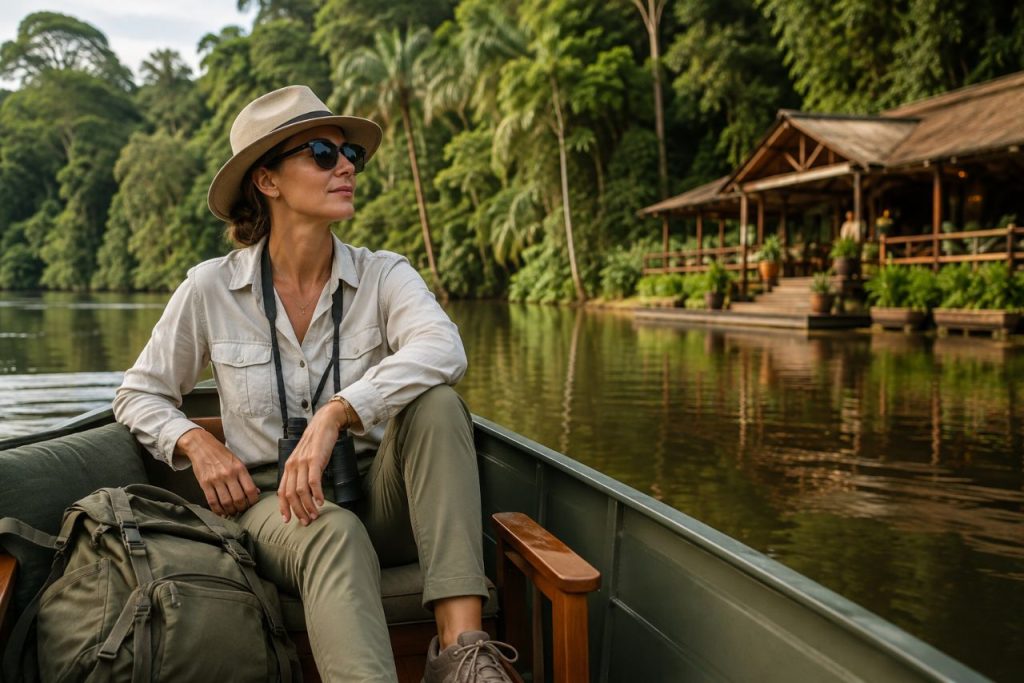
Then Peru changes again. For the Amazon, move away from heavy Andean layers towards lightweight, breathable clothing that provides good coverage.
Long lightweight trousers and long-sleeved shirts are useful for rainforest excursions. Add comfortable closed shoes, a hat and a light rain layer.
Humidity means quick-drying fabrics are particularly convenient.
A swimsuit is worth packing for lodge or cruise stays where facilities allow, and having a fresh outfit reserved for dinner can feel particularly welcome after a day exploring the rainforest.
We recommend around three to four nights for either the northern or southern Amazon, so you do not need an enormous rainforest wardrobe. A small number of versatile pieces is usually enough.
READ ALSO: The Peruvian Amazon: A Complete Guide to Peru’s Greatest Wilderness
Don’t Forget the Day Bag
Your large suitcase may stay at the hotel while you explore, which means your day bag matters almost as much as your luggage.
Choose something lightweight, secure and comfortable enough to carry for several hours.
For an average sightseeing day, it might hold sunglasses, sun protection, a light layer, tissues, personal medication, your phone or camera and a power bank.
For Machu Picchu, remember the site’s current size restrictions for bags.
Train luggage should also be considered when planning what goes into your main suitcase versus a small overnight bag. PeruRail currently allows a small bag or backpack of up to 8 kg on Machu Picchu train journeys, subject to its stated dimensions and service conditions. If your itinerary includes rail travel, we can advise on how your larger luggage will be handled throughout the journey.
A Few Luxury Travel Essentials Worth Bringing
Luxury travel does not mean packing every possible contingency. Quite the opposite.
The best suitcase contains the few things that make moving between very different places feel effortless.
A high-quality lightweight rain jacket is far more useful than several bulky coats. A beautiful knit works in a hotel lounge, on a train and at altitude. A compact crossbody bag can take you from Lima to Cusco. Comfortable leather or understated trainers may be worn repeatedly.
A portable charger is useful on long touring days, while a universal travel adapter keeps the inevitable collection of phones, cameras and devices manageable.
Bring any essential personal medication in your hand luggage and enough for the duration of the journey.
And leave some room.
Peru is difficult to visit without finding something you want to bring home, whether that is a textile, piece of jewelry, ceramic, artwork or another object connected to the people and places encountered along the way.
READ ALSO: How to Plan a Luxury Trip to Peru That Feels Truly Personal
Your Peru Packing List
If you want one final check before closing the suitcase, make sure you have:
- Lightweight tops and shirts that layer easily
- Comfortable trousers
- A fine knit or warmer sweater
- Lightweight waterproof jacket
- Comfortable, broken-in walking shoes
- Additional trekking footwear if your itinerary requires it
- Smart but relaxed dinner clothing
- Light scarf or wrap
- Sunglasses and sun hat
- Sun protection
- Compact day bag
- Swimwear where appropriate
- Lightweight Amazon clothing if travelling to the rainforest
- Personal medication
- Phone/camera chargers and power bank
- Travel adapter
- Essential travel documents
The exact list should ultimately follow your itinerary, not someone else’s generic packing checklist.
A traveler spending a week between Lima and the Sacred Valley needs something very different from someone trekking through the Andes, continuing to Lake Titicaca and then flying into the Amazon.
That is also why Enigma’s Advisor Information Toolkit is designed to provide packing guidance by season and by activity, rather than one universal answer for every Peru journey.
Peru essentials that should go on every packing list
| Essential | Why it matters |
|---|---|
| Compact sunglasses + sun hat | High-altitude destinations can have strong sunshine even when temperatures feel cool. Peru Travel specifically recommends sunscreen and sun protection for destinations such as Lake Titicaca. |
| Broad-spectrum sunscreen | Useful across coasts, mountains and the Amazon. The CDC includes sunscreen, sunglasses and a hat in its Peru packing guidance. |
| Lip balm with SPF | Particularly valuable in the dry, high-altitude Andes; Peru Travel specifically lists it for Lake Titicaca. |
| Insect repellent | Essential for Amazon and other lower-altitude tropical areas. The CDC recommends effective insect repellent and covered skin to reduce insect bites in Peru. |
| Small day bag | Needed for sightseeing and especially Machu Picchu. |
| Waterproof pouch | Useful for phones, passports and cameras around Machu Picchu, the Amazon and boat excursions. |
| Power bank | Particularly useful on full-day excursions, trains and remote stays. |
| Universal travel adapter | PeruRail notes that Peru uses 220V and commonly encountered A, B and C outlets. Travelers bringing 110V-only appliances should verify voltage compatibility, not just plug shape. |
| Personal medication | Keep essential medication in hand luggage and in its original packaging where practical. |
| Packable tote | Useful for purchases, hotel-to-hotel transfers or separating day items from the main suitcase. |
| Laundry bag / packing cubes | Particularly useful on multi-region journeys where clean city clothing needs to be separated from trekking or Amazon pieces. |
The core luxury Peru capsule wardrobe
For a traveler combining Lima, the Sacred Valley, Machu Picchu and Cusco, we would recommend packing approximately this wardrobe rather than bringing a completely separate outfit for every day:
| Category | Recommended packing list |
|---|---|
| Tops | 3–4 breathable T-shirts/tops; 2 long-sleeved shirts or blouses; 1 polished blouse/shirt for dinner |
| Bottoms | 2 comfortable walking trousers; 1 tailored trouser; 1 additional casual trouser/jean |
| Dresses | 1–2 versatile dresses if desired, particularly for Lima and hotel dinners |
| Warm layers | 1 fine merino/cashmere-style knit; 1 warmer mid-layer; 1 lightweight insulated jacket if travelling through the Andes |
| Weather protection | 1 lightweight waterproof shell, preferably breathable and packable |
| Shoes | 1 excellent pair of walking trainers; 1 more technical walking/hiking shoe if required; 1 pair of elegant flats/loafers |
| Evening | 1 sophisticated dinner look that can be re-worn with different accessories |
| Accessories | Scarf/wrap; sunglasses; sun hat; compact crossbody; small evening bag |
| Active | Technical trousers/leggings and activity-specific clothing only if the itinerary includes hiking, biking, riding or rafting |
| Sleep & leisure | Sleepwear, swimsuit, lightweight robe/cover-up only if personally preferred |
| Underwear | Enough for several days rather than the entire journey if confirmed laundry arrangements are available |
What to Pack for Peru by Destination and Season
| Destination | Weather & season | Clothing to pack | Shoes | Essential accessories | Luxury traveller notes |
|---|
| Lima | Dec–Apr: warmer, brighter and generally sunnier. May–Nov: cooler, cloudier and often misty/overcast along the coast. Peru’s tourism authority particularly recommends Dec–Apr for warmer Lima weather. | Lightweight dresses; linen or cotton shirts; tailored trousers; lightweight knit; smart jacket or blazer; polished evening outfit; sleepwear; swimsuit if hotel has a pool | Comfortable leather trainers; loafers; ballet flats; elegant low heels or evening shoes | Sunglasses; small crossbody bag; evening bag; light scarf; compact umbrella if desired | Lima is the place to bring your most refined city pieces. Fine dining is sophisticated but generally does not require formalwear. Pack one elegant dinner look rather than multiple formal outfits. |
| Paracas & Ica | Warmest around Dec–Feb. Jun–Aug tends to be cooler, with August particularly windy; Peru Travel recommends an extra warm layer from roughly Jun–Sep. | Linen shirts; light trousers; dresses; shorts; lightweight sweater; wind-resistant jacket; swimsuit; resort wear | Trainers; loafers; comfortable sandals; flat resort sandals | Wide-brim hat; sunglasses; sunscreen; scarf for wind; beach tote | Bring pieces that move easily between boat excursions, desert landscapes, vineyard/pisco experiences and a luxury resort. A lightweight windbreaker is more useful than a heavy coat. |
| Northern Beaches / Máncora | The Piura region remains warm for much of the year; Dec–Mar corresponds with Peru’s summer beach season. | Swimwear; cover-ups; linen dresses; linen shirts; shorts; relaxed trousers; lightweight evening pieces; one thin layer for breezy evenings | Sandals; espadrilles; trainers, and water-friendly footwear where useful | Sun hat; sunglasses; high-SPF sunscreen; beach bag; reusable water bottle | Think barefoot luxury. Resort-ready separates are more useful than formal dinner clothing. |
| Sacred Valley | Andean rainfall is concentrated roughly Nov–Mar, while Apr/May–Oct is considerably drier. Conditions can shift from strong daytime sun to cool evenings. | T-shirts or breathable base layers; long-sleeved shirts; tailored casual trousers; fine wool/cashmere knit; fleece if active; lightweight insulated jacket; waterproof shell; casual dinner wear | Supportive walking trainers; low hiking shoes if active; loafers/flats for hotel evenings | Sunglasses; sun hat; sunscreen; compact day bag; scarf; reusable water bottle | This is where layering matters most. Choose attractive technical pieces in neutral colors so the same jacket or knit works for archaeological sites, private lunches and luxury hotels. |
| Sacred Valley, rainy season | Nov–Mar: wetter, greener and more likely to have afternoon showers. | Everything above, plus a genuinely waterproof lightweight shell and quick-drying trousers | Water-resistant walking shoes with good grip | Small umbrella; waterproof pouch for phone/camera; pack cover if using a backpack | Avoid relying on a fashion trench as your only rain protection. Pack one technical waterproof layer that still looks polished. |
| Cusco | Apr–Oct: generally drier with clearer conditions. Nov–Mar: rainy season. At around 3,400 m, temperatures can change sharply between sunshine and evening. Peru Travel identifies the same broad dry/rainy cycle. | Layering tops; long trousers; knitwear; warm jacket; waterproof shell; smart-casual dinner pieces | Excellent walking trainers or supportive flats; non-slip soles are ideal for stone streets | Scarf; sunglasses; sun protection; compact handbag/crossbody | Cusco’s cobbled and stone streets make comfortable footwear far more important than heels. Pack elegant flats or loafers for restaurants instead. |
| Cusco, Jun–Aug | Peak dry-season months bring clear conditions but especially cool mornings and evenings. | Add warmer knitwear; light down or insulated jacket; warmer sleepwear if you feel the cold | Closed shoes | Warm scarf; thin gloves for particularly early starts | A beautiful lightweight down jacket or wool layer is much more versatile than a bulky winter coat. |
| Machu Picchu | Rainiest broadly Nov–Mar; drier conditions dominate much of the rest of the year, although mist and showers can occur at any time in the cloud-forest environment. Peru Travel identifies Nov–Mar as the rainy season here. | Breathable top; comfortable trousers; lightweight mid-layer; waterproof shell | Broken-in walking or trail shoes with dependable grip | Sunglasses; hat; sunscreen; compact day bag; waterproof phone/camera pouch | This is not the day for a handbag, heels or an elaborate outfit. Keep the look polished through well-cut activewear and neutral layers. |
| Lake Titicaca / Puno | High-altitude and cool. Peru Travel gives typical conditions around 3°C–14°C and specifically recommends warm layers, sunscreen and lip balm. The dry season is broadly May–Oct, with sunny days and cold nights. | Thermal or merino base layer; sweater; insulated jacket; long trousers; warm sleepwear; waterproof/wind-resistant layer | Closed walking shoes; comfortable boots | Warm scarf; gloves; sunglasses; sunscreen; SPF lip balm; sun hat | Even an elegant lakefront property does not remove the need for serious warm layers, particularly for early boat departures and evenings. |
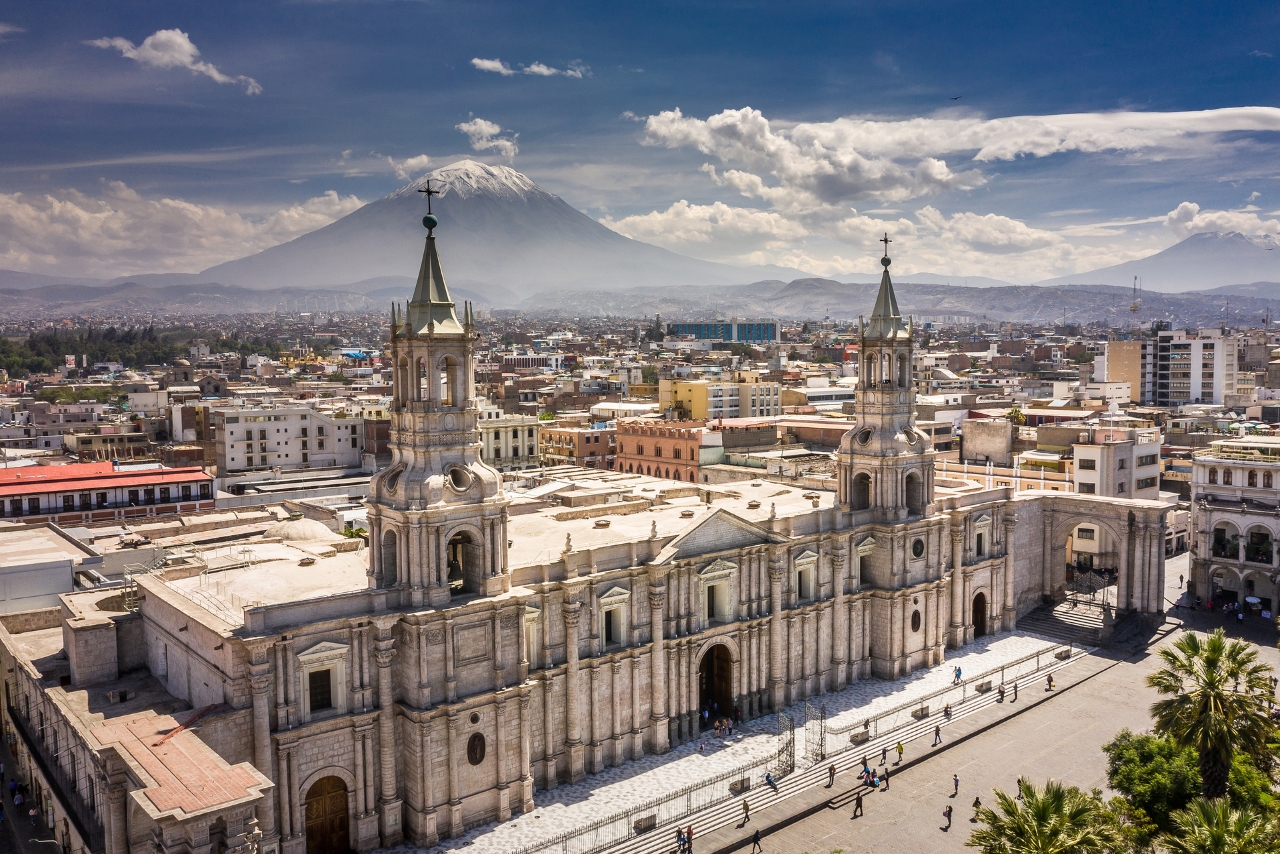
| Arequipa city | Generally mild, sunny and much drier than the wetter Andean regions. The wider region has significant altitude variation. | Dresses; shirts; lightweight trousers; cardigan/knit; light jacket; one polished evening outfit | Walking trainers; loafers; flats | Sunglasses; sunscreen; hat; small day bag | Arequipa itself lends itself to smart city dressing, but keep your Colca clothing separate if combining both. |
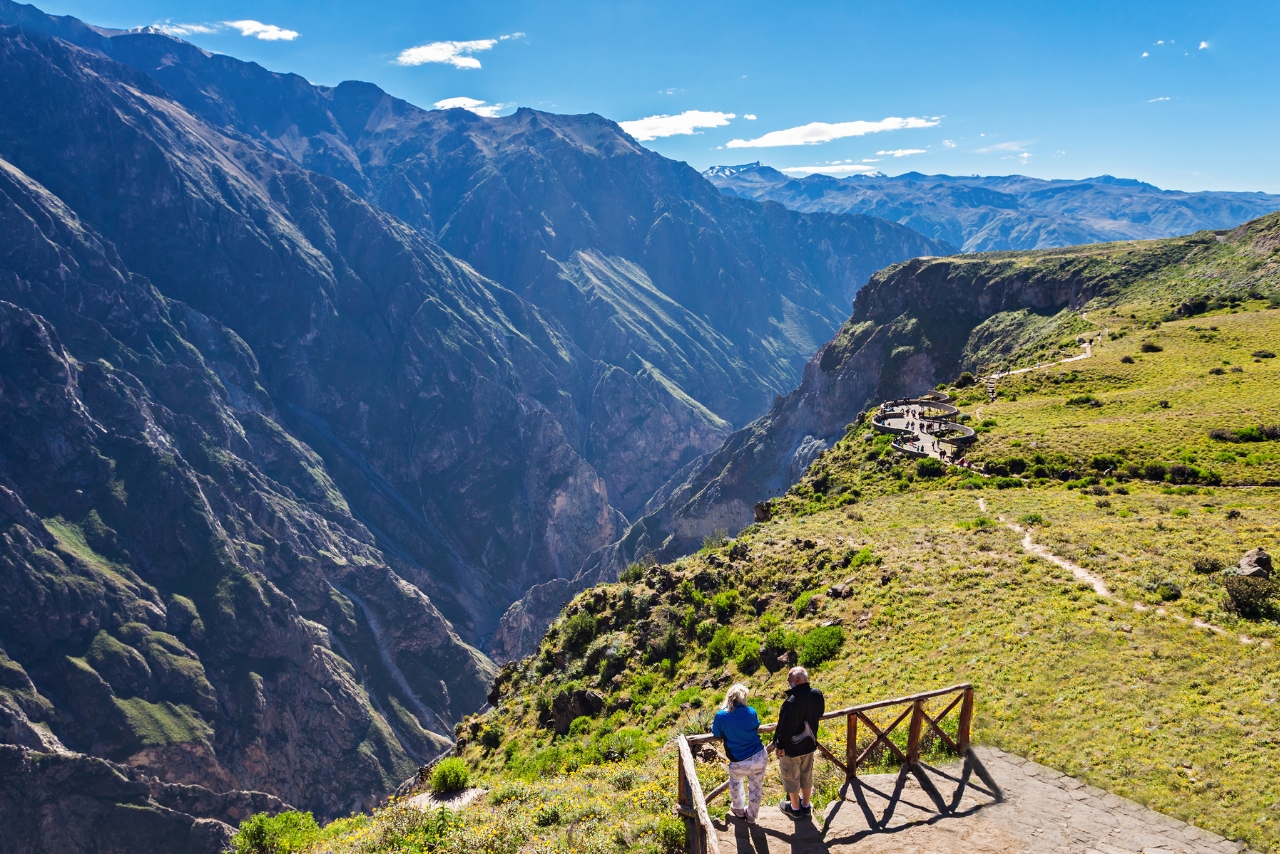
| Colca Valley & Canyon | May–Sep is highlighted by Peru Travel as a particularly good hiking period. Elevation changes are significant, and early mornings at viewpoints/high passes can be cold. | Base layers; fleece or fine wool knit; insulated jacket; windproof/waterproof outer layer; comfortable trousers | Supportive walking shoes or hiking shoes | Gloves; scarf; sun hat; sunglasses; sunscreen; compact daypack | Dress for the coldest part of the day, then remove layers. This is especially relevant for early departures to see condors. |
| Northern Amazon / Iquitos & Pacaya Samiria | Tropical and humid year-round. Amazon river travel has a high-water season roughly Dec–May and a lower-water period thereafter; each creates different types of access and wildlife experiences. | Lightweight long-sleeved shirts; breathable long trousers; quick-dry tops; lightweight rain jacket; swimsuit; relaxed dinner outfit | Lightweight closed walking shoes; second dry pair; sandals for vessel/lodge | Effective insect repellent; wide-brim hat; sunglasses; dry bag; waterproof phone pouch | Choose beautiful lightweight technical fabrics. A silk blouse or heavy linen can feel luxurious but may be impractical in humidity. |
| Southern Amazon / Tambopata & Puerto Maldonado | Warm and humid. Peru Travel describes May–Nov as the relatively drier period for Tambopata, although tropical rain remains possible. | Long sleeves; breathable trousers; quick-drying layers; rain shell; swimsuit; lightweight evening clothing | Closed trail/walking shoes; dry spare shoes; sandals at the lodge | Insect repellent; sun protection; hat; dry bag; binoculars if wildlife-focused | Keep a completely clean outfit reserved for dinner/evening. After a humid rainforest excursion, having something fresh to change into feels particularly luxurious. |
Pack for the Journey You Are Actually Taking
The best Peru packing list should almost disappear once you arrive.
You should have the layer you need when the temperature changes, the shoes that let you keep walking through Cusco, an outfit you feel wonderful wearing at dinner in Lima and a day bag that carries exactly what you need at Machu Picchu.
Nothing more complicated than that.
Peru may take you from coast to Andes to rainforest, from ancient sites to beautiful hotels and from outdoor adventures to some of Latin America’s most sophisticated dining rooms. The right suitcase simply gives you the freedom to move comfortably between all of them.
Enigma provides its guests with detailed pre-arrival information tailored to their individual journey, including what to bring, alongside health, safety and destination guidance.
Planning your journey through Peru? Let Enigma create a private itinerary around the places you want to experience, with the practical details taken care of before you ever close your suitcase.