Most people are told to visit Machu Picchu in June, July or August. The sky is clear, the trails are dry and the photographs practically take themselves. What nobody mentions is that those same months bring over a million visitors to the site each year and that the experience of standing in one of the most extraordinary places on earth while jostling for space at the Guardian’s House viewpoint is not quite what anyone imagined.
March is different. The rainy season is easing, the site is extraordinarily green, morning mist curls through the terraces in a way that no photograph quite captures, and the daily visitor count is a fraction of what it will be in two months’ time. The Inca Trail has just reopened after its February maintenance closure. Hotel prices in Aguas Calientes are lower. Trains are available without booking months in advance.
There are real trade-offs to visiting in March, and this guide covers all of them. But for the traveler who has done their research, March may be one of the best-kept secrets on the entire Andean calendar.
Key Takeaways: Machu Picchu in March 2026
- March sits at the tail end of the rainy season. Showers are typically short and occur in the early morning or late afternoon, leaving the middle of the day clear and warm.
- Daytime temperatures range from 16 to 21°C (61 to 70°F). Nights cool significantly, so layers are essential.
- Visitor numbers are significantly lower than peak season. The daily capacity limit for low season is 4,500 compared to 5,600 in high season.
- The Inca Trail reopens on 1 March after its annual February closure. Permits for March are among the easiest to secure of any open month.
- Ticket prices, accommodation and train costs are all lower in March than in the dry season months of June through August.
What The Weather Is Like In March
The classic Inca Trail covers 43 kilometres over four days, beginning at Kilometre 82 near Ollantaytambo and March is technically the tail end of the rainy season, which runs from November through to late March. But the experience on the ground is not what the label suggests.
Rain in March tends to arrive in the early morning, when the citadel is still wrapped in mist, and again in the late afternoon after the main visiting hours. The middle of the day is frequently clear, sunny and warm. Temperatures during the day sit between 16 and 21°C (61 to 70°F), which makes for comfortable walking in light layers. Nights in Aguas Calientes cool down considerably, so a warm layer for the evening is useful.
The second half of March is noticeably more settled than the first. If your schedule allows any flexibility, aiming for the final two weeks of the month increases the likelihood of clear skies.
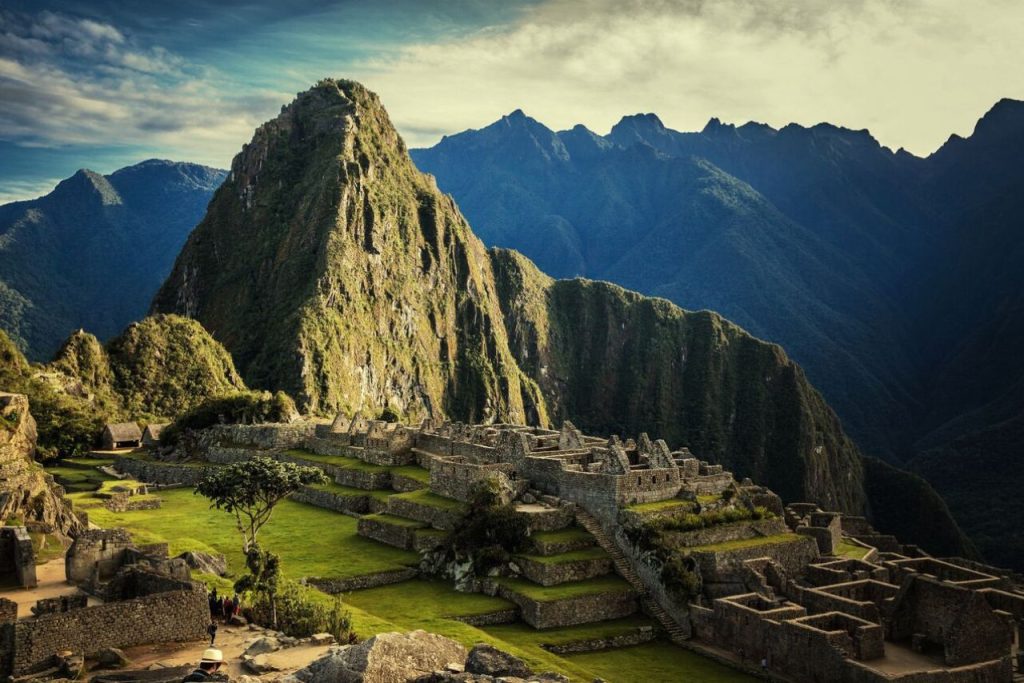
The mist that does appear in the morning is worth embracing rather than avoiding. The citadel emerging from cloud, terrace by terrace, as the sun rises is one of those sights that stops you mid-sentence. It is one of the defining images of Machu Picchu and it is not available to the July visitor.
Tip for timing your visit
Plan to arrive at the site between 9am and 10am in March. The early morning mist is clearing by then, the light is excellent for photography and the midday crowds have not yet arrived from Aguas Calientes.
READ ALSO: The History of the Inca Trail
The Crowd Situation in March
Machu Picchu operates under a strict daily visitor cap managed by the Peruvian Ministry of Culture. In the low season, which includes March, the daily limit is 4,500 visitors across all circuits and time slots. In high season from June through to early November, that figure rises to 5,600.
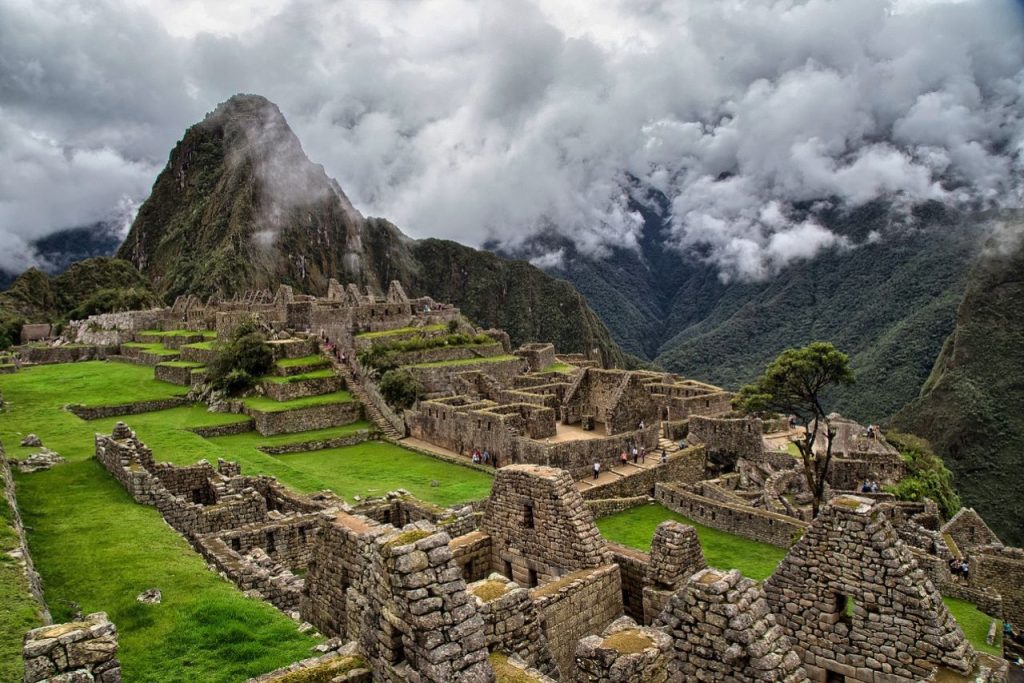
The practical difference is significant. A 4,500 visitor day feels entirely different from a peak season day when the most popular entry slots are filled. The Guardian’s House viewpoint, which draws the greatest concentration of visitors at any one time, is noticeably less congested. The agricultural terraces and the residential sector of the site can be explored at a pace that lets you actually look at what you are standing in.
Weekdays in March are quieter than weekends. Sundays in particular see more domestic visitors, as Cusco residents receive free entry. Booking a Tuesday, Wednesday or Thursday slot gives the most settled experience.
EXPLORE MORE: Enigma Treks and Expeditions
Machu Picchu Tickets in 2026: What You Need To Know
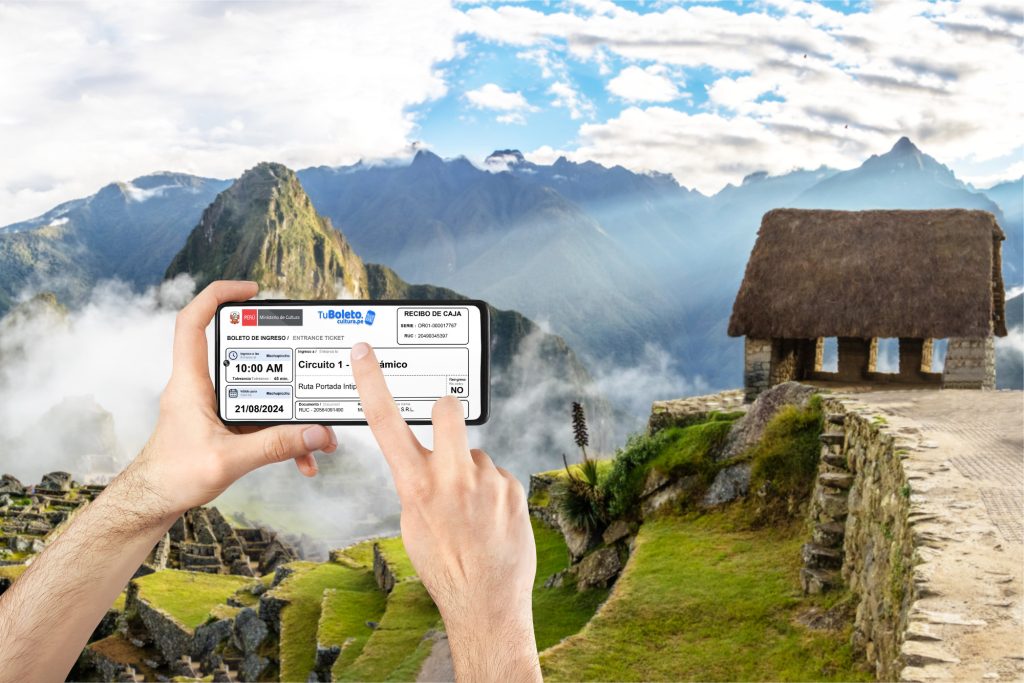
Tickets for Machu Picchu in 2026 are sold through the official Ministry of Culture platform at tuboleto.cultura.pe. All tickets must be purchased in advance. The site does not operate a walk-up system.
The 2026 system is organised around circuits, each covering a different route through the citadel. The main options for most visitors are as follows.
| Circuit | What it covers | Duration |
| Circuit 1 | Panoramic views from Guardian’s House. No access to urban zone. | 2.5 hours |
| Circuit 2 | Most complete route. Guardian’s House, urban zone, temples, terraces. | 2.5 to 3 hours |
| Circuit 3 | Lower section. Agricultural terraces, urban sector, Water Mirrors, Temple of the Condor. | 2.5 hours |
| Huayna Picchu add-on | Steep hike above the citadel. Limited to 400 visitors per day. | Additional 2 hours |
| Machu Picchu Mountain | Higher viewpoint above the site. Less steep than Huayna Picchu. | Additional 2 to 3 hours |
Circuit 2 is the most comprehensive option and the most popular. It includes access to the Temple of the Sun, the Sacred Plaza, the Temple of the Three Windows and the main agricultural terraces.
Standard circuit tickets for foreign visitors are priced at approximately 152 Peruvian soles, or around 40 USD, for 2026. From May 2026 this rises to approximately 163 soles. Mountain add-ons cost around 200 soles. Prices should be verified at the time of booking as the Ministry of Culture updates rates periodically.
READ ALSO: What to Know before Traveling to Machu Picchu
Important for Inca Trail travelers in 2026
A new regulation introduced in January 2026 means that Inca Trail permits no longer include full citadel access. The trail permit covers the Sun Gate approach and Circuit 1 only. A separate Circuit 2 ticket must now be purchased to explore the full urban and temple zone. Book both well in advance through a licensed operator who can manage both reservations simultaneously.
How far ahead should you book for March?
For March, booking one to two months in advance is generally sufficient for most circuits. Circuit 2 in the final two weeks of March can fill earlier as the weather improves and visitor numbers pick up. If your dates are fixed, booking as soon as possible is always the safer approach.
Huayna Picchu is limited to 400 people daily and is the first thing to sell out in any month. If this is on your list, book it the moment your dates are confirmed.
READ ALSO: The Best Hikes in Cusco
Why March Is The Value Month
The lower visitor numbers in March translate directly into lower prices for flights, accommodation and trains. Hotels in Aguas Calientes that charge significant premiums in July will frequently have promotional rates in March. The Hiram Bingham, the luxury Belmond train service from Cusco to Aguas Calientes, is more available and sometimes discounted during this period compared to peak season.
Tour operators also tend to have more flexibility in March. The absence of permit scarcity on most circuits means itineraries can be designed with greater freedom, and private guiding is both more available and, in many cases, better priced than the same service in June or July.
For families, the calculation is particularly clear. A Machu Picchu trip in March with thoughtful planning can offer a quieter, more immersive experience at a meaningfully lower total cost than the same trip at peak season.
READ ALSO: Must-See Experiences in the Peruvian Andes
What To Expect On The Ground
The site itself
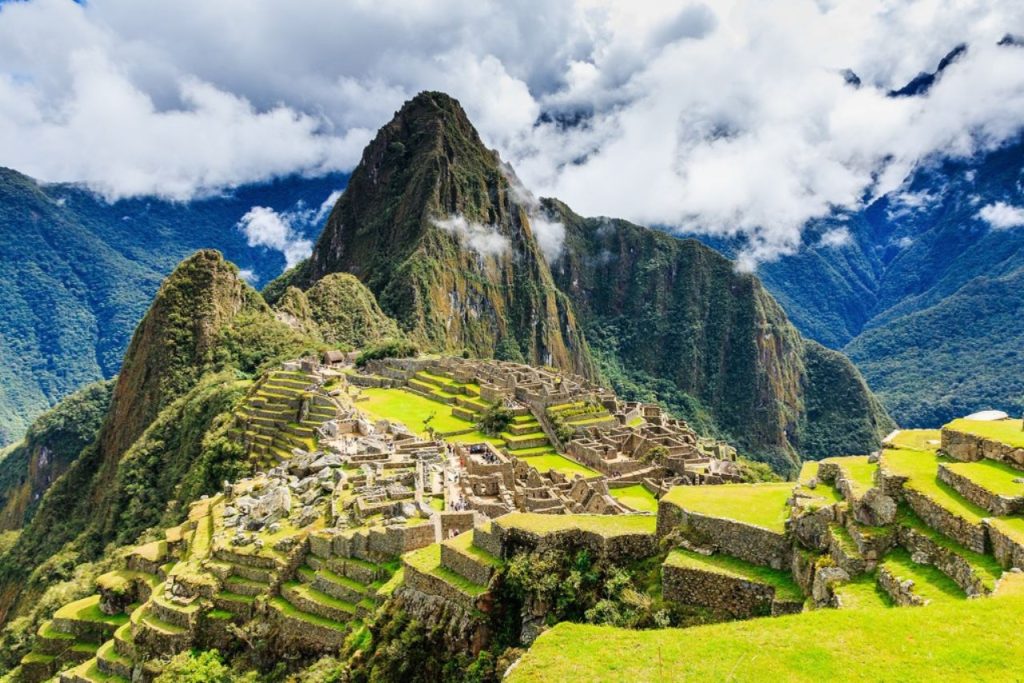
The citadel is extraordinarily lush in March. The agricultural terraces, which appear dry and golden in the high season photographs, are vivid green. The surrounding cloud forest presses in from all sides, the llamas are noticeably more active than in the dry season, and the mountain backdrop to Huayna Picchu is often wreathed in cloud that clears throughout the morning.
The site opens at 6am. Early entry in March is worth taking. The mist-filled citadel in the first hour of daylight, with a private guide who can orient you before the bulk of other visitors arrive, is about as close as modern travel gets to experiencing Machu Picchu as it once was.
Getting there
Aguas Calientes is the base town for Machu Picchu and is accessible only by train or on foot via the Inca Trail. Trains run from Cusco’s Poroy station and from Ollantaytambo in the Sacred Valley. The journey from Ollantaytambo takes approximately 90 minutes and is the more common route for travelers already spending time in the Sacred Valley.
From Aguas Calientes, buses run every 30 minutes to the citadel entrance. The journey takes around 30 minutes on a winding mountain road.
What to pack for March
A lightweight waterproof jacket is non-negotiable. Even on a predominantly clear day, brief showers can arrive without much warning. Quick-drying clothes, a small dry bag for electronics and sturdy footwear with grip are the practical essentials. Sun protection is important even on overcast days at this altitude.
READ ALSO: How to Prepare for a Trek in the Andes
Ready to Plan Your Machu Picchu Visit?
Every Machu Picchu experience we design is private, tailor-made and built around what matters most to you. We handle everything, from circuit selection and ticket booking to train reservations, guided tours and the details in between.
FAQs: Inca Trail vs Salkantay vs Choquequirao
Yes, with realistic expectations about the weather. March sits at the end of the rainy season, which means occasional showers, particularly in the morning and late afternoon. But the middle of the day is frequently clear, the site is greener and more dramatic than at any other time of year, and visitor numbers are significantly lower than the dry season months. For travelers who value space, atmosphere and value over guaranteed blue skies, March is an excellent choice.
Considerably less crowded than peak season. The daily visitor cap in low season sits at 4,500 compared to 5,600 in high season, and the available slots are not filled to capacity on most days. Weekdays are quieter than weekends. The Guardian’s House viewpoint and the main temple complex are accessible without the long waits that characterise a July or August visit.
Yes. Tickets must be purchased through the official Ministry of Culture platform at tuboleto.cultura.pe and cannot be bought on the day at the entrance. For most of March, booking one to two months ahead is sufficient. For the last two weeks of the month, when the weather improves and visitor numbers rise, booking earlier is advisable. Huayna Picchu is limited to 400 visitors daily and should always be booked as early as possible.
Circuit 2 is the recommended option for first-time visitors in any month. It covers the most complete route through the citadel, including the urban zone, the main temples and the classic Guardian’s House viewpoint. In March, the lower visitor numbers mean this circuit can be walked at a genuinely unhurried pace. Inca Trail trekkers arriving via the Sun Gate in 2026 should note that their trail permit now includes Circuit 1 only, and a separate Circuit 2 ticket is required for full citadel access.
Daytime temperatures range from 16 to 21°C (61 to 70°F). Rain is most likely in the early morning and late afternoon, with the middle of the day frequently clear and sunny. Nights in Aguas Calientes are cooler, typically between 7 and 10°C (45 to 50°F). Morning mist is a regular feature of the site in March and is generally considered one of its most atmospheric qualities. The second half of March is noticeably more settled than the first.
Yes. The Inca Trail reopens on 1 March after its annual maintenance closure throughout February. The trail is freshly maintained and in good condition at the start of the month. Permits for March are among the most available of any open month on the trail, though booking as far ahead as possible is still recommended. Travelers should note that from January 2026, Inca Trail permits include only Circuit 1 access at Machu Picchu. A separate ticket for Circuit 2 must be purchased to explore the full citadel.