Cusco is the kind of place that teaches you to measure distance differently. Not in kilometers, but in breath. Like how a gentle slope can feel like a deal on the first day and nothing at all by the third. The speed with which the city’s cafés and cobblestones disappear into the open puna, where the sky seems bigger, the light gets brighter, and the Andes become more of a presence than a sight.
The best hikes around Cusco are not all “treks to Machu Picchu”. Some are short, high-altitude days that deliver a single, startling view. Others are multi-day crossings that move through climates like pages turning: glacial passes, cloud forests, warm valleys, and river canyons. These all have one thing in common: you’ll be different when you get back, even if all you did was walk.
Below are the hikes that most reliably deliver that Cusco feeling, from iconic classics to detours that still feel slightly secret.
Key Takeaways: The Best Hikes in Cusco
- For the classic Machu Picchu arrival: the Classic Inca Trail (4 days) is the most iconic route.
- For a shorter version of the classic: the Short Inca Trail (2 days) delivers big scenery and a trekking finish with less time.
- For the best alternative trek to Machu Picchu: Salkantay (4–5 days) gives huge mountain views and changing landscapes.
- For culture and quieter trails: the Lares Valley Trek (2–4 days) is ideal for village-and-valley scenery.
- For high-altitude wilderness and serious scenery: Ausangate (4–6 days) is the most remote and demanding.
- For the best day hikes from Cusco: Rainbow Mountain (Vinicunca), Humantay Lake, and Waqrapukara offer the strongest payoffs.
- For a tough, crowd-light Inca site: Choquequirao (4–5 days) is the hardest-earned and often the quietest.
Before you lace up
Give yourself time to acclimatize. Cusco’s altitude makes even “easy” hikes feel harder than expected. Build your first day around slow walking, hydration, and an early night. Your best views come when you’re not fighting your lungs.
Classic Inca Trail (4 days)
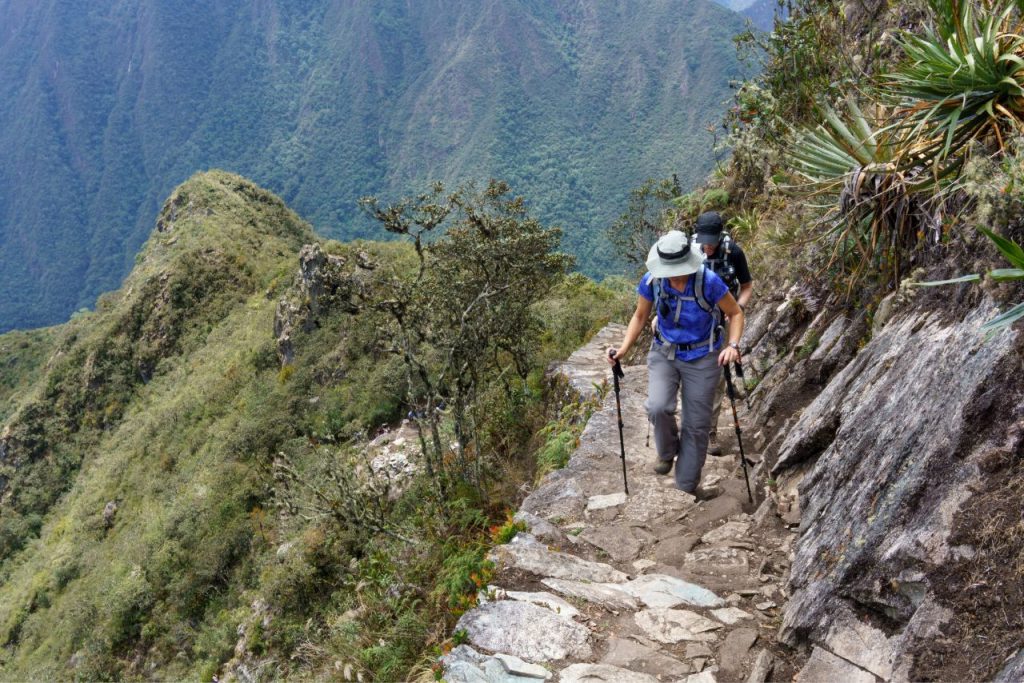
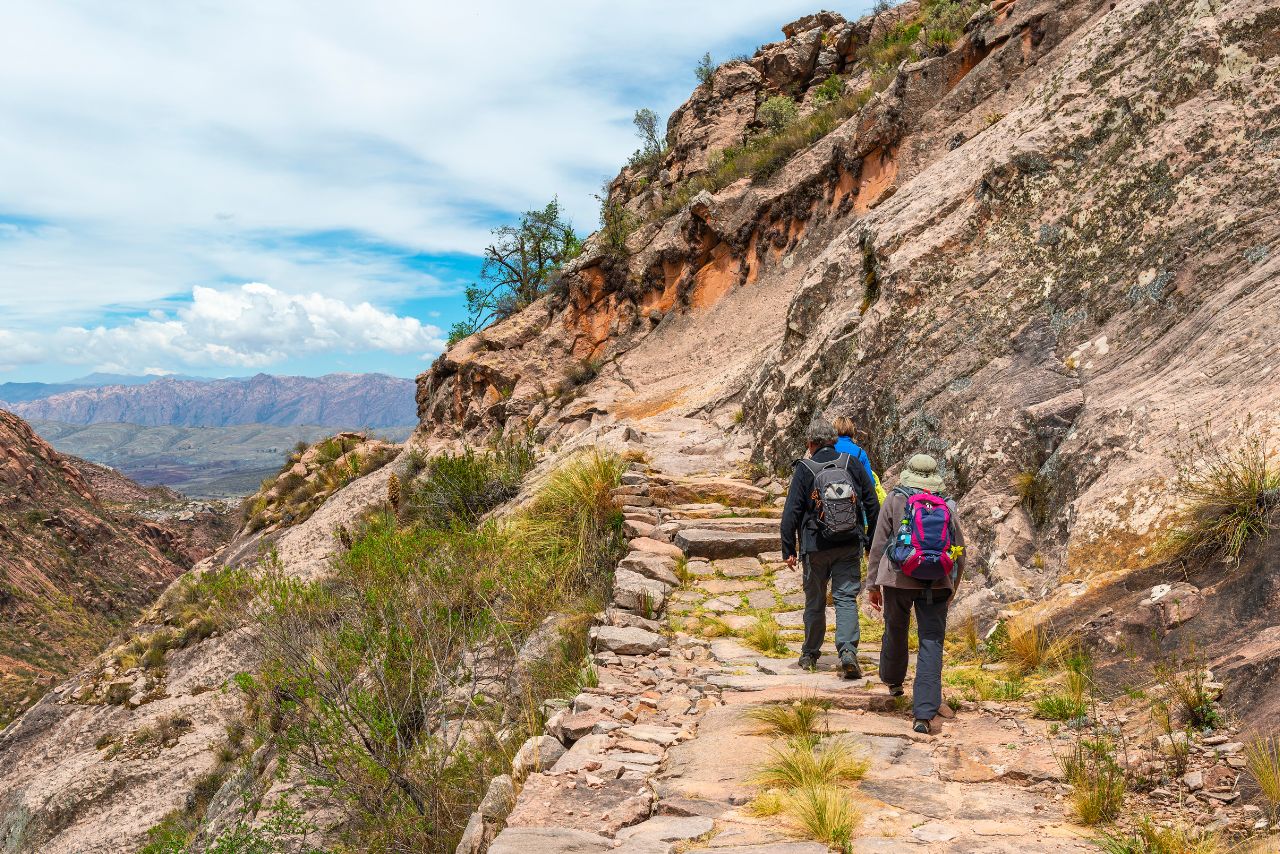
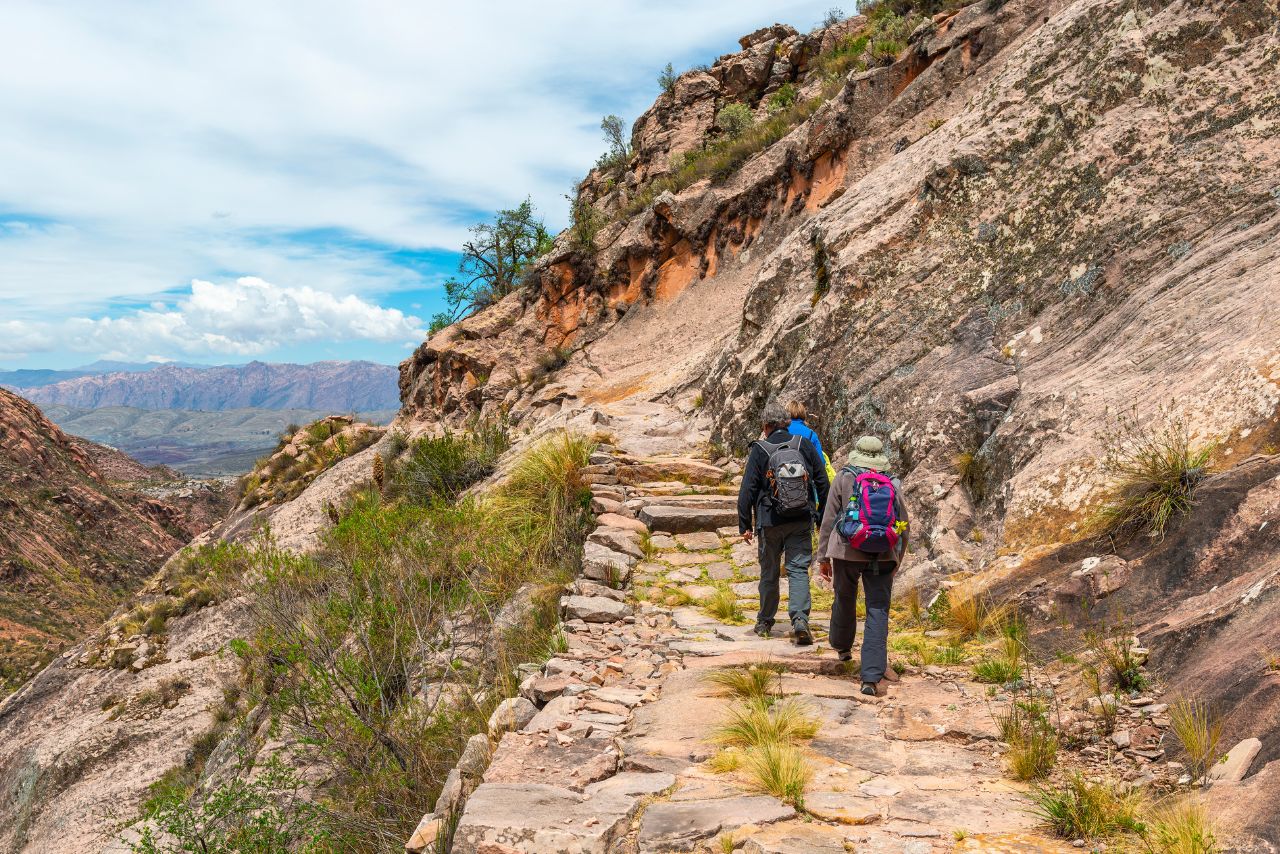
This is the original pilgrimage to Machu Picchu. The Inca Trail is famous for good reason: it turns arrival into ceremony. Stone paths, cloud forest, small ruins that appear mid-walk like footnotes to a larger story, and that final approach into Machu Picchu that feels earned rather than delivered.
It’s also tightly regulated. The Peruvian Ministry of Culture only lets 500 people in each day. That number includes hikers, guides, porters, and cooks. Also, the trail is closed in February for repairs.
Why it’s worth it: It boasts the most storied approach and the most cinematic arc.
Who it suits: Travelers who plan ahead and want history underfoot, not just at the finish line.
Short Inca Trail (1-2 days)
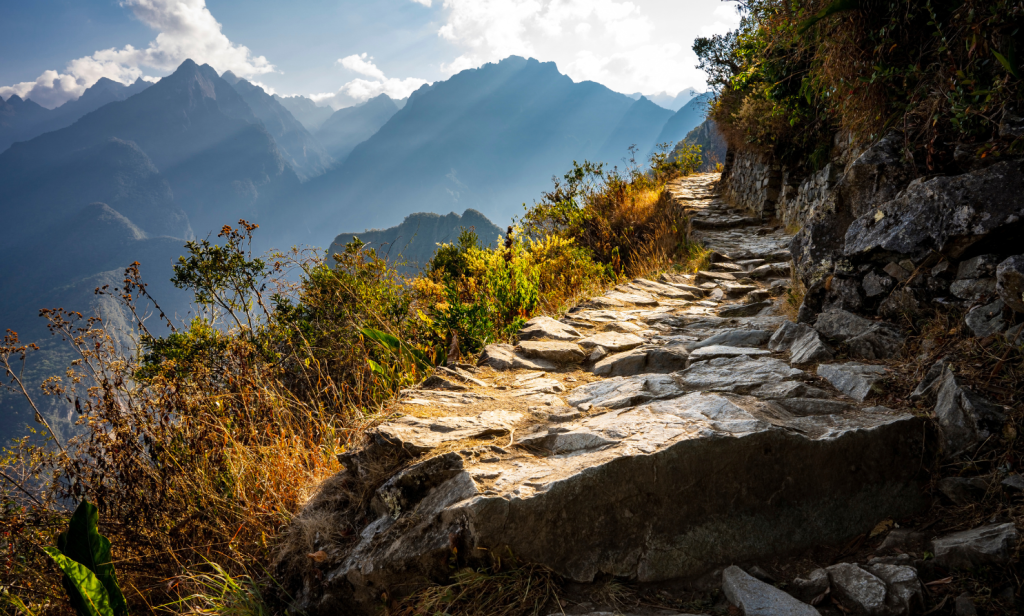
This is a concentrated version of the classic Inca Trail. If you want the Inca Trail feel without committing to four days, the short route offers a brisk, satisfying version: a day of hiking, a night near Machu Picchu, and an early visit the next morning. It’s still controlled by permits and gives you the same “walking into the Inca world” feeling, but it happens faster.
Why it’s worth it: It’s ideal when time is tight, but you still want a trekking approach.
Who it suits: Travelers who want one strong hiking day and a classic payoff.
Salkantay Trek (4–5 days)

Salkantay is the alternative route for people who want to scale. It’s a trek of contrasts: high alpine terrain beneath massive peaks, then a gradual drop into warmer valleys as you move toward Machu Picchu. It’s also become popular because it offers variety without the Inca Trail permit competition.
For those who like hikes that feel like a full journey rather than just a way to get to a well-known destination, this one has that long, unfolding rhythm.
Why it’s worth it: It’s Peru in transition, from cold heights to greener slopes.
Who it suits: Hikers who want drama and don’t mind long days.
Lares Valley Trek (2–4 days)

If your favorite travel moments involve people as much as peaks, Lares delivers. The Lares Valley sits in Urubamba Province, surrounded by spectacular mountains and dotted with glacial lakes and warm valleys. It’s often framed as an alternative to the Inca Trail, but the real draw is the feeling of moving through living Andean landscapes—places where the trail passes near daily life, not only archaeological sites.
Many versions end with a connection toward the Sacred Valley and Machu Picchu, but the heart of the experience is slower and more human: highland routes, small communities, and that quiet sense that you’re walking through someone’s home landscape.
Why it’s worth it: Culture and scenery without the crowds.
Who it suits: Travelers who want a softer, village-and-valley narrative.
Ausangate Trek (4–6 days)

Ausangate is the trek that feels like the Andes speaking in its most uncompromising voice. The route circles the sacred Vilcanota range, delivering glacial views and high passes that are not casual. One of the best-known points is Palomani Pass, often listed at around 5,200 meters.
This is not a trek you do “because you’re in Cusco anyway.” You choose this trek because you want to experience the high Andes in its true form: remote, cold, and intensely beautiful.
Why it’s worth it: It feels like the edge of the map.
Who it suits: Fit hikers who have acclimatized and want wilderness more than comfort.
Rainbow Mountain (Vinicunca) and Red Valley (day hike)

Rainbow Mountain has become a modern icon, but it still has the power to stop you, especially if you time it right. Peru’s tourism site places Vinicunca in the Cordillera de Vilcanota, southeast of Cusco.
The key is to treat it like a mountain day, not a photo stop. Go early. Dress for wind and cold. And if your itinerary allows, add Red Valley to extend the walk and spread out the crowds.
Why it’s worth it: the Andes looks impossible here, in the best way.
Who it suits: travelers who can handle altitude for a short, high-impact day.
Humantay Lake (Day Hike)
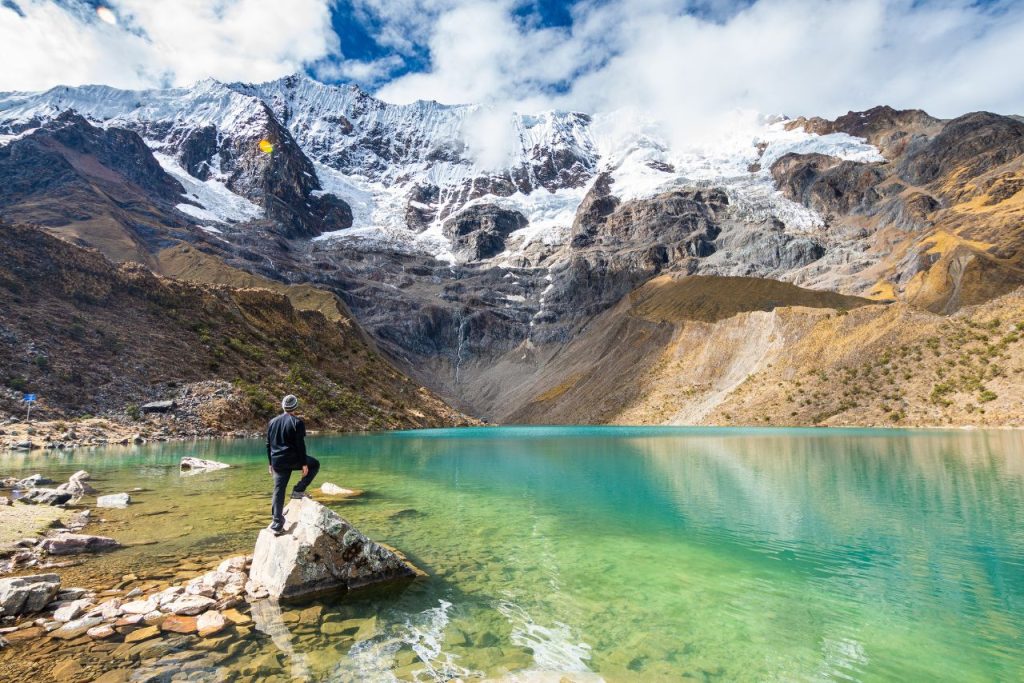
Humantay is a day hike that feels like a quick lesson in Andean altitude: short on paper, surprisingly humbling in practice. The reward is the glacial turquoise color, which looks edited even though it wasn’t.
Peru’s official travel site notes the experience as “Trekking to Humantay Lake” and highlights the high-mountain setting, listing an altitude figure of 5,473 meters above sea level for the environment around the trek (a reminder of how high this landscape runs). Many hikers experience the lake itself in the 4,200-meter range, which is why the climb can feel sharp if you’ve not acclimatized.
Why it’s worth it: A dramatic lake in a single day.
Who it suits: Travelers who want a strong payoff without multi-day trekking.
Waqrapukara (Day Hike or Overnight)
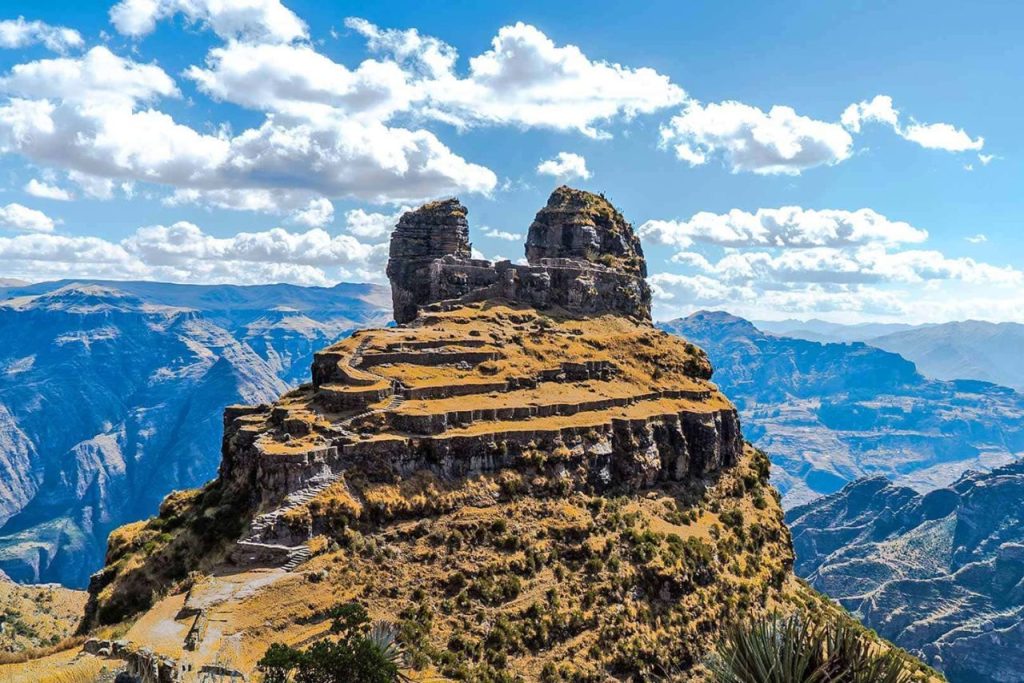
Waqrapukara feels like something you stumble into in a story: a stone sanctuary perched high above a ravine, framed by horn-shaped rock that gives the site its name. It sits at about 4,300 meters above sea level, according to Peru’s official travel site.
It’s not the easiest day out from Cusco, which is exactly why it still feels special. You don’t arrive on momentum. You arrive with effort, and the silence up there makes the stonework feel even more dramatic.
Why it’s worth it: One of the most striking “earned” day hikes in the region.
Who it suits: Travelers who want something powerful and less mainstream.
Choquequirao (4–5 days)

Choquequirao is often described as Machu Picchu’s less-visited counterpart, but the experience is very different because of access. The hike to Choquequirao, which starts from the trailhead near Cachora, is commonly cited as being around 30 km (about 18 miles) one way and involves demanding terrain.
The difficulty is part of its protection. The trail makes you earn the ruins, and in exchange, you get something increasingly rare: space, quiet, and the feeling of arriving somewhere that isn’t shaped around crowds.
Why it’s worth it: Big archaeology with fewer people and more effort.
Who it suits: Hikers who want a serious trek and don’t mind hard climbs.
How to Choose the Right Hike in Cusco
Pick based on the experience you want, not just the headline.
- If you want the most iconic approach to Machu Picchu and you love history, choose the Classic Inca Trail, and plan around permits and February closure.
- If you want a multi-day journey with huge landscape variety, go to Salkantay.
- If you want culture, valleys, and a quieter rhythm, choose Lares.
- If you want raw high Andes wilderness, do Ausangate, with acclimatization and respect for altitude.
- If you want day hikes with a big payoff, Humantay, Vinicunca, and Waqrapukara are the strongest trio, each intense in a different way.
FAQs: The Best Hikes in Cusco
Plan for at least 1–2 days of light activity before tackling high routes like Vinicunca, Waqrapukara, or Ausangate. You’ll enjoy the hike far more if your body has time to adjust.
Many hikers prefer the dry season (roughly May to October) for clearer skies and more reliable trail conditions. The rainy season can still be beautiful, but trails can be muddy and weather changes quickly.
The Classic Inca Trail is the iconic choice, while the Short Inca Trail is a great option if you want a trekking arrival with less time commitment. Salkantay is a popular alternative if permits are unavailable.
Consider Ausangate (multi-day, remote) or Choquequirao (tougher access). For day hikes, Waqrapukara often feels less crowded than the most popular “headline” day trips.
Some day hikes can be done independently if you’re experienced and have reliable transport and navigation. For multi-day routes (or remote trailheads), a guide can improve safety and logistics, especially with weather, altitude, and route-finding.
Bring layers, a rain jacket, sun protection, 2+ liters of water, snacks, a hat and gloves, and supportive footwear. Even on sunny days, wind and temperature drops are common at altitude.
Choose Humantay if you want a shorter hike with a dramatic lake payoff. Pick Vinicunca (Rainbow Mountain) if you want striking mineral colors and big highland views. Both are high altitude, so choose the one that fits your energy level and acclimatization.