
Holidays are times to unwind, rejuvenate, discover new places and cultures and expand our horizons and knowledge through travel. With the email auto-responder on and the phone off, the daily routine and self-imposed dietary rules fade away and the urge to splurge returns.
A few weeks later, you’re in a mad detox trying to erase your conscience and cleanse your body of all the carbs and sugar bombs you ate on your “care free, I’m on holiday” diet. Sound familiar?
Well, you can return from Peru feeling positive and energized after eating exotic delicacies, fruits, and powerful powders.
Peru has had a culinary boom, resulting in many Peruvian restaurants in major cities. Lima has the largest food festival in South America and a culinary think-tank that develops new dishes. Without taking anything away from Peru’s talented chefs, a well-stocked larder with a huge selection of ingredients you won’t find anywhere else has been one of its secrets to success. Peru has the most powerful superfoods and is the hub for many new western health alternatives. Its microclimates and diverse typography allow a huge variety of powerful, antioxidant, phytonutrient-rich, and anti-aging foods to grow.
So What Exactly Constitutes a Superfood?
According to Peruvian raised and born specialist nutritionist Manuel Villacorta, superfoods are “foods that not only have higher than average concentrations of vitamins and minerals, but also have antioxidants.” According to Manuel they have four characteristics:
1. They are healthy for the heart, decrease cholesterol, help reduce blood pressure and are anti-inflammatory.
2. They are great immune boosters as they are high in antioxidants and phytonutrients.
3. They have anti-aging properties and protect our insides from any diseases that make us age.
4. They are brilliant for the gut and facilitate digestion as they act as prebiotics.
What Superfoods Can I Find in Peru & What are Their Benefits?
1. Quinoa

Quinoa, a seed, was one of the Incas’ most important crops and called the “mother grain.” Grown from the coast to the Andes, it has 18% protein and is a great energy source. Quinoa, available in red, white, and black varieties, contains all 8 essential amino acids and is found throughout Peru.
As a salad topping or healthy rice substitute, the possibilities are endless. Cumbres’ quinoa-based beer blends malts and hops with the ancient Andean grain for a unique craft beer.
2. Sacha Inchi
Sacha Inchi means “The People’s Seeds” in Quechua and grows on vines in the Peruvian Amazon. Inca tribes have eaten these seeds for centuries, getting the most omegas of any food.
Peruvians have discovered how delicious these tiny nuts are toasted, and many gourmet markets in Lima sell them. The Inca peanut, rich in nutrients and minerals, can replace cookies and chocolate in vegan and vegetarian backpacks.
3. Yacon
The vast Yacon plant has been grown and eaten in the Andes for centuries. Its sweetness and juicy crunch make it a popular food and medicine in indigenous communities. With half the calories of regular sugar, the root regulates blood sugar and lowers cholesterol.
This diabetic-friendly natural sweetener tastes like honey and is a great way to entertain kids without sugar spikes.
4. Cacao
Due to its junk food reputation, many people consider chocolate a “guilty pleasure”. Chocolate’s bad reputation comes from commercial processing, adding white sugar, and refining. Raw cacao bean is the highest plant-based form of iron, good for the brain, and brings natural happiness.
Peruvian cacao pods are organically grown in the jungle and harvested, fermented, and toasted dry before being broken into nibs. Nibs are a quick, healthy, portable snack. The Choco Museo in Cusco and Lima lets kids and big kids make their own chocolate bars!
5. Maca
The Andean root maca, often powdered, makes a great addition to your morning smoothie. It increased oxygen consumption and energy for the Incas before war or a massive construction project, but also improved sexuality and fertility.
Maca helps you recover after a night out, which can be lifesaving after too many Pisco Sours. Visit a Lima or Peruvian food market and ask for a pinch in your smoothie to start your day.
6. Lucuma

A seductive, sweet tropical fruit with caramel, pumpkin, and maple flavors. For centuries, locals have valued “the gold of the Incas” as a reliable food source and fertility offering.
As Peru’s favorite ice cream flavor, the fruit is often served on dessert tables in celebrations. This healthy after-dinner treat is full of antioxidants, healthy carbohydrates, vitamins, and minerals and is found on most Peruvian menus.
7. Camu-Camu
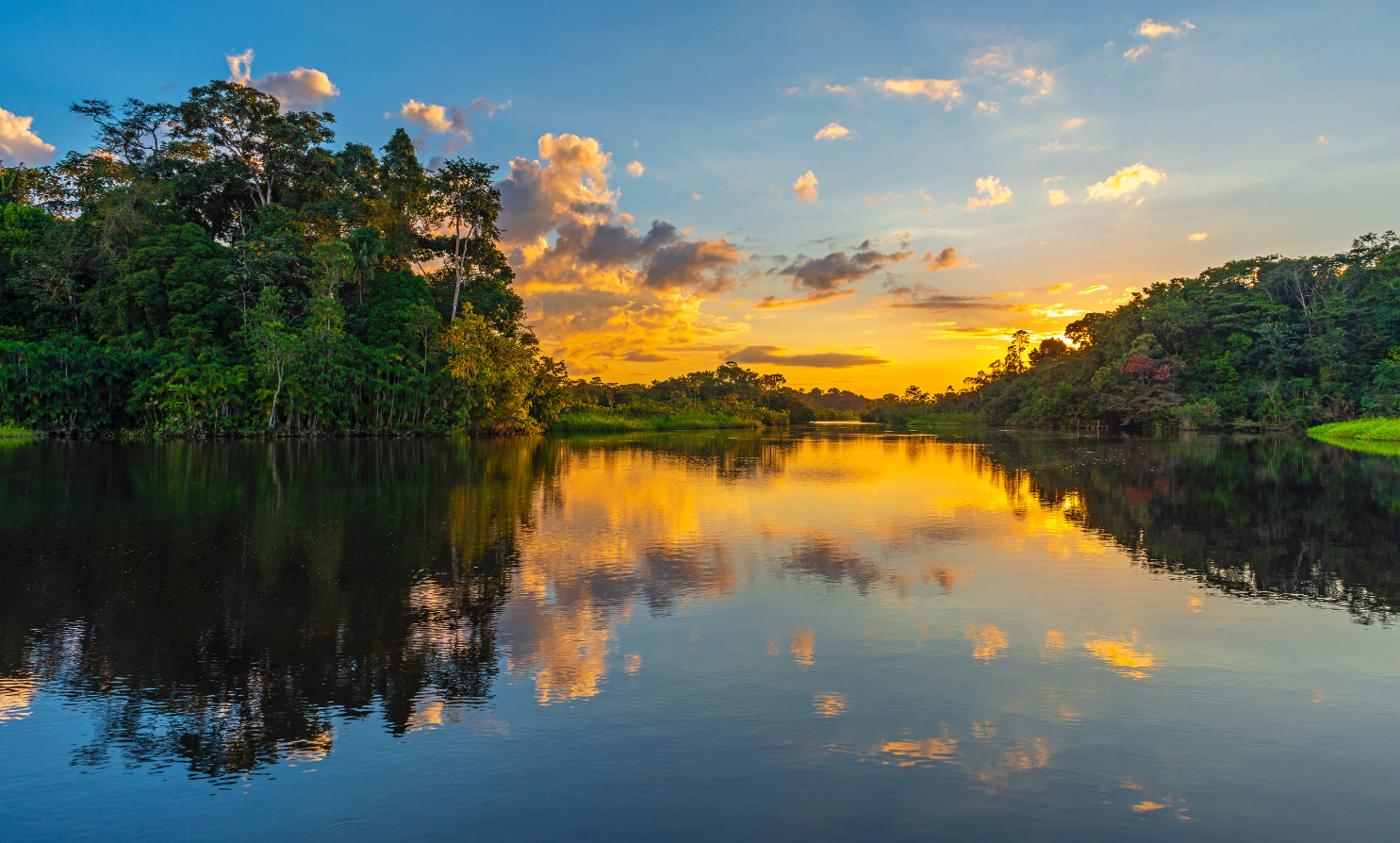
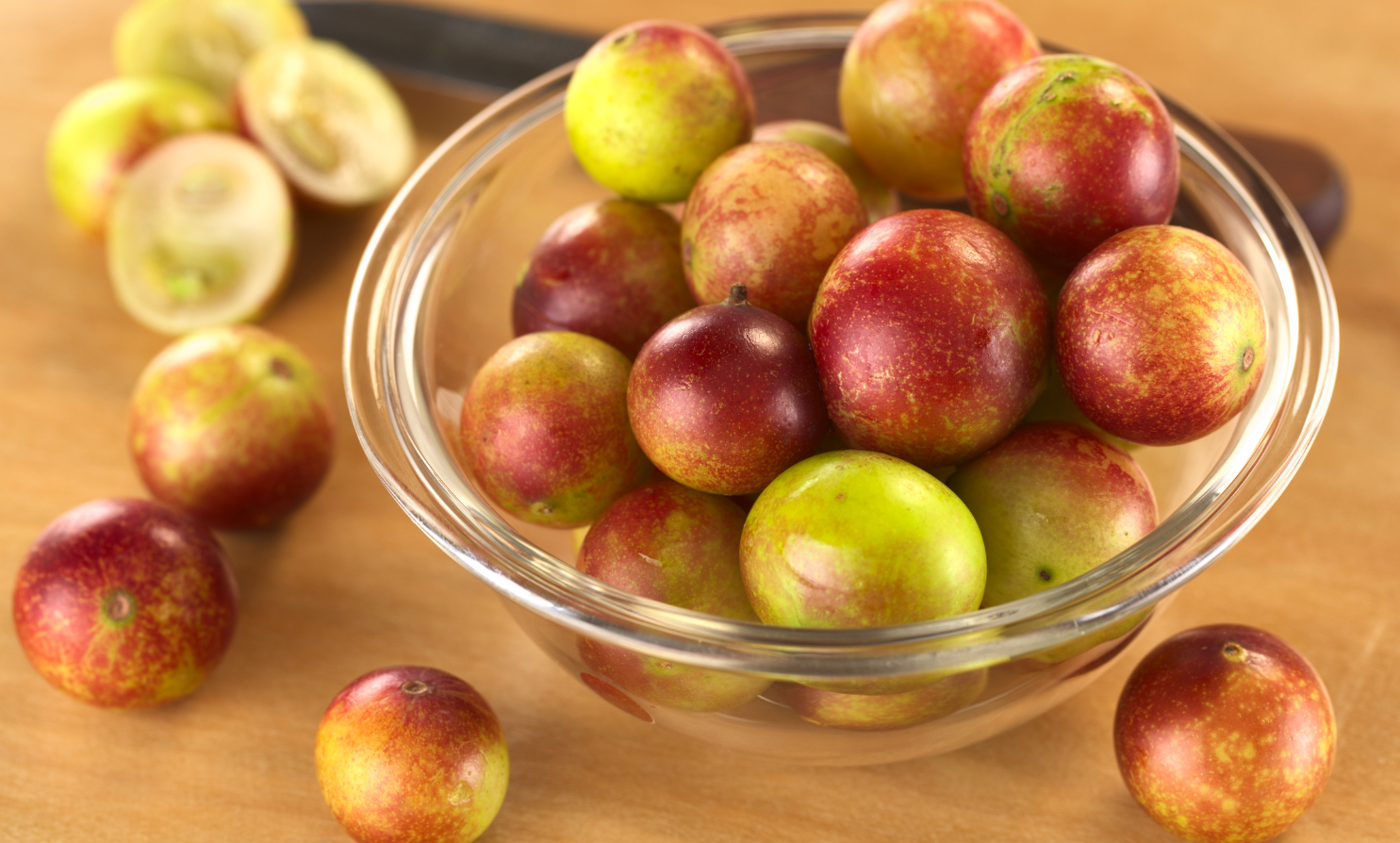
This tropical fruit may be small in size but looks can be deceiving. The Peruvian Amazon rainforest is home to a shrub that sprouts a berry called camu camu. The tart, reddish, and purplish fruits, about the size of a cherry, contain 60 times more vitamin C per serving than the orange. Camu camu is mostly used in desserts and drinks. Look for the bright pink jungle juice served with breakfast or lunch.
Your next trip to Peru can now include all the benefits of holiday foods without excuses. Peru’s superfoods will leave you relaxed, rejuvenated, and reenergized, with fruits to boost antioxidants, powders to control the heart, and organic juices to uplift the soul.
Build Your Private Journey With Enigma
Peru rewards travelers who go further than the headline. Enigma has designed private, tailor-made journeys across the country since 2002, from Cusco to the northern cloud forest. Our team builds each itinerary around your pace, your interests and the access we have spent two decades earning.
Let us design a private Peru journey in which every transfer, stay and experience belongs to the story of the trip.