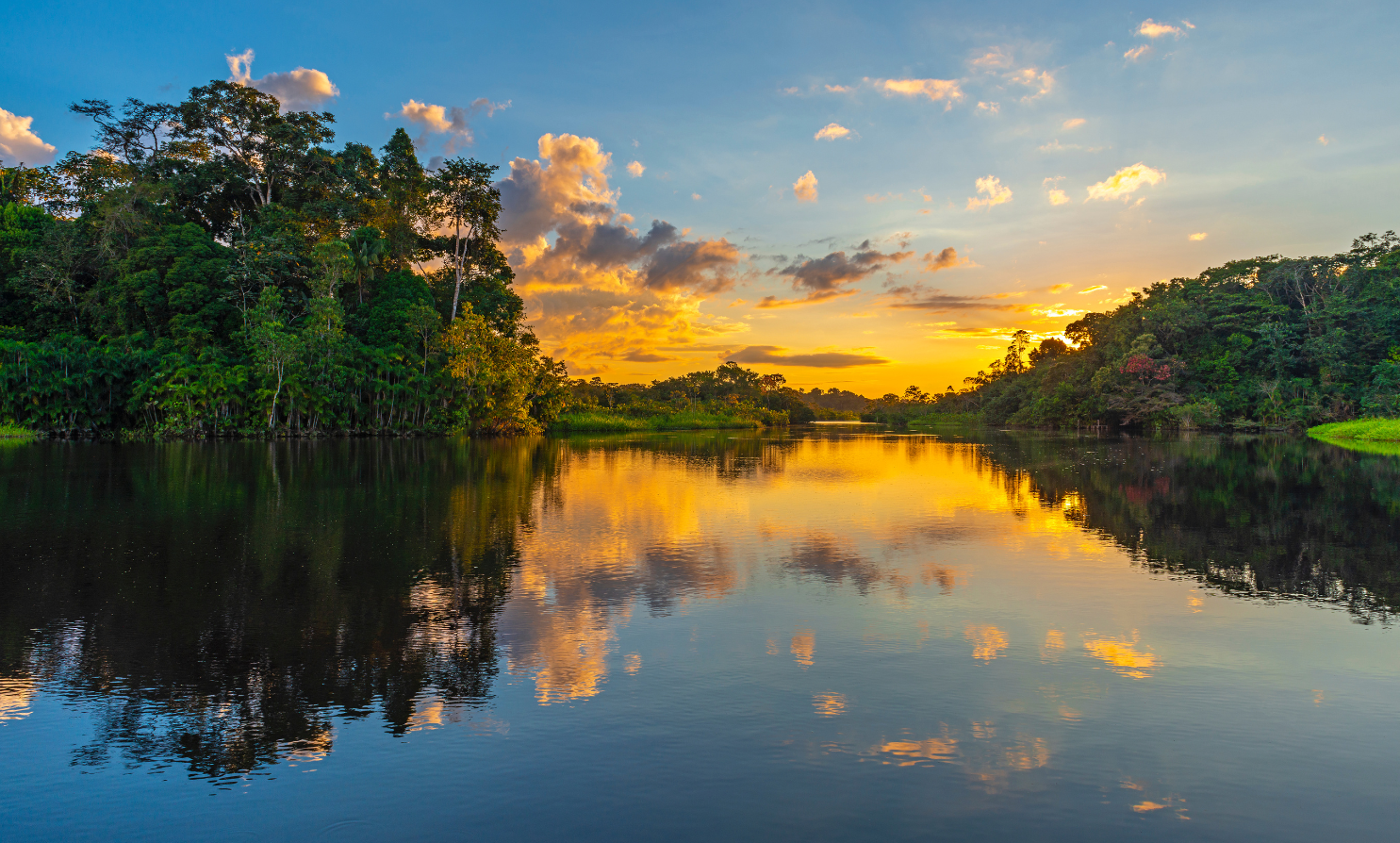
Seven hours by boat from Puerto Maldonado, the Tambopata Research Center sits at the edge of what most maps simply leave blank. There are no roads in. The nearest town is half a day away by river. And because of that distance, the wildlife here is denser, less habituated to human presence, and considerably more willing to be itself.
It is the most remote lodge in the Peruvian Amazon, and it may be the only place in the world where a guest on a nature trip can end the week with a species named after them.
What Is Wired Amazon?

Wired Amazon is a citizen science programme run by Rainforest Expeditions, the Peruvian ecotourism company that has operated the Tambopata Research Center since 1989.
Launched in 2015, the programme invites guests to move beyond wildlife watching and contribute directly to the scientific understanding of one of the most biodiverse ecosystems on Earth.
The logic is simple: the Amazon contains more undiscovered species than any research team could document alone. Trained visitors, guided by resident scientists, can meaningfully extend that work.
How the Program Works

Online: Contributing from Home
In Aerobotany, volunteers examine high-resolution aerial images of the Amazonian canopy and record flowering crowns, leafless trees and other features visible from above.
In AmazonCam Tambopata, volunteers sort through footage from over 100 remote camera traps positioned around the reserve, identifying the animals that pass through.
Remote participants earn travel credits redeemable toward a future stay at one of Rainforest Expeditions’ properties.
On the Ground: Contributing in Person

For guests staying at the lodge, the work becomes fully immersive. The most popular activity is Discover a New Species, in which insects are drawn to a light trap at night and guests collect the specimens that interest them. Species are also gathered on guided collection walks through the forest.
Back at the station, each specimen is examined: its appearance, life stage, sex and reproductive characteristics are recorded and analysed. If the specimen appears to be unknown to science, it is submitted to the International Barcode of Life, a global initiative building a DNA library of all living organisms.
When a new species is confirmed, the guest who collected it is offered the chance to propose a name.
The Science Happening Here Is Real

Wired Amazon identifies approximately one new species per month. In a single year, eight were confirmed, several by guests with no scientific background beyond what they learned during their stay.
The camera traps have produced extraordinary incidental findings alongside the scheduled research: a short-eared jungle dog carrying her pups, a jaguarondi with cubs, a dwarf porcupine previously unknown to be present in the Tambopata area.
What makes this significant beyond its novelty is the location. The Tambopata Research Center operates in one of the least-disturbed sections of the southern Peruvian Amazon, where the low density of human presence means that large species, including jaguars, appear with relative frequency.
The data gathered by guests contributes to a genuine record of a place that the rest of the world has barely begun to understand.
READ ALSO: The Peruvian Amazon: A Complete Guide to Peru’s Greatest Wilderness
Who Is This Experience For?
Nature Lovers Who Want More Than Observation
Wildlife watching in the Amazon is extraordinary on its own terms. Wired Amazon offers something beyond it: the chance to participate in the process of discovery rather than simply witness its results.
Guests who find that prospect compelling tend to be curious, patient and genuinely interested in the natural world. A scientific background is not required.
Families and Younger Travellers
The hands-on nature of the programme makes it particularly well suited to families with older children and teenagers.
Collecting and identifying specimens under scientific guidance, contributing data to a live research project, and understanding why a single square metre of Amazonian forest matters: these are experiences that leave a mark.
READ ALSO: 5 Thrilling Jungle Experiences in Peru’s Rich Amazon Rainforest
Where Is the Tambopata Research Center?

The lodge sits seven hours by river from Puerto Maldonado, deep within the Tambopata National Reserve. There is no road access. That remoteness is the point: the further into the reserve you travel, the less human disturbance the forest has experienced, and the richer and more frequent the wildlife encounters become.
Sightings of jaguars, macaws, giant river otters and other large species are more common here than at any lodge closer to town.
Puerto Maldonado itself is served by daily flights from Lima and Cusco, making the southern Amazon more accessible than its remoteness suggests.
READ ALSO: The Perks of an Amazon River Cruise
Why Responsible Travel Matters Here
The Amazon is not a backdrop. It is a living system under real pressure from deforestation, illegal mining and habitat loss. Choosing an experience like Wired Amazon connects your visit directly to its conservation.
Every species identified, every camera trap image classified, and every data point submitted contributes to a scientific record that supports the case for protecting this landscape.
For a certain kind of traveler, that is the most compelling version of a jungle trip available anywhere.
Plan your Amazon journey with Enigma
If the Amazon has stirred something in you, allow us to build a journey around it. Private, unhurried, and shaped entirely around your curiosity.
Enigma Peru has operated tailored journeys across the northern and southern Amazon since 2002. Our guides and naturalists know these waterways and forests intimately, and every itinerary begins from scratch, built around the traveller rather than the template.