The Peruvian Andes are not a single destination. They are a world unto themselves. Stretching across the spine of South America at altitudes that humble the imagination, they hold ancient cities, sacred mountains, living cultures and landscapes of extraordinary beauty.
When you visit the Peruvian Andes, you move through layers of history that are still very much alive. The terraces are still farmed, the ceremonies are still held, and the mountains are still worshipped.
For the discerning traveler, the question is not whether to come. It is how to do it well. The Andes reward those who slow down, travel with genuine expertise and resist the temptation to rush between the obvious landmarks.
There is far more here than any itinerary can hold. What follows is a considered guide to the experiences that matter most.
Key Takeaways: Experiences in the Peruvian Andes
- The Peruvian Andes span several distinct regions, each with its own character, altitude and pace.
- Cusco is the natural gateway and a destination worthy of deep exploration in its own right.
- The Sacred Valley offers one of the richest concentrations of Inca archaeology, living culture and Andean landscape anywhere in the world.
- Machu Picchu remains among the greatest archaeological wonders on earth and is best experienced privately, early and with expert guidance.
- The Inca Trail is the most storied route to Machu Picchu and one of the world’s finest multi-day treks.
- Ausangate and Rainbow Mountain offer a more remote, less-visited experience of the high Andes.
- Choquequirao, the so-called other Machu Picchu, rewards travellers willing to go further.
- Enigma designs fully private, customised journeys across all of these regions with a standard of care that sets them apart.
Cusco, The Ancient Capital

Every journey into the Peruvian Andes begins in Cusco. That is not incidental. Once the capital of the Inca Empire and sitting at 3,400 metres above sea level, Cusco is a city that demands your attention from the moment you arrive. The altitude slows you down. That is the point.
Beneath the cobbled streets and colonial architecture lies an Inca city that was never truly dismantled. The Spanish built their churches directly on Inca foundations, and in many places those foundations are still visible, their perfectly fitted stones as precise today as they were six centuries ago.
Cusco is also, according to Andean tradition, one of the most powerful spiritual energy centres on earth. Spiritual seekers and curious travelers alike arrive year-round to connect with something older and quieter than ordinary life. With Enigma, Cusco becomes not a transit point but a rich first chapter.
READ ALSO: Bucket List Experiences: Exciting Things to do in Cusco
The Sacred Valley: Where the Incas Lived

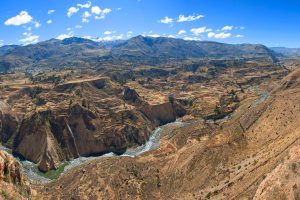
The Sacred Valley of the Incas runs between the towns of Pisac and Ollantaytambo, parallel to the Vilcanota River, enclosed by mountains on every side. The Inca chose it deliberately. The valley sits lower than Cusco, the climate is gentler and the soil is some of the most fertile in the Andes. It was, in every sense, the heartland of the Empire.
Today, the Sacred Valley holds an extraordinary concentration of Inca sites, traditional communities and Andean market culture. The agricultural terraces at Moray, carved into a natural bowl in the earth, are thought to have functioned as a sophisticated experimental farm.
The fortress at Ollantaytambo, a fully inhabited Inca town where the original street layout survives to this day, is among the finest examples of Inca urban planning anywhere. Pisac, with its hilltop ruins and famous artisan market, is a destination that rewards an entire day. The valley also produces some of the finest corn in Peru, a crop the Inca considered sacred.
READ ALSO: Ollantaytambo: What to Do and See in Peru’s Living Inca Town
Machu Picchu: The Citadel That Defies Explanation

Built around 1450 and never found by the Spanish, Machu Picchu was brought to international attention in 1911 by explorer Hiram Bingham. More than a century later, it still defies full explanation. Set at 2,430 meters on a ridge between two peaks, surrounded by cloud forest and mist, it is one of the most extraordinary feats of human construction on earth.
The citadel is home to the Temple of the Sun, the Intihuatana stone calendar and the Temple of the Condor, among dozens of other structures. Its precise purpose remains debated, its engineering remains astonishing and its setting remains unlike anything else in the world.
The secret is to arrive early, travel privately and go with a guide who can offer genuine depth rather than rehearsed commentary. We have guided travelers through Machu Picchu for decades and understand precisely how to make the experience feel both intimate and revelatory.
READ ALSO: What to Know before Traveling to Machu Picchu
The Inca Trail: Walking Into History
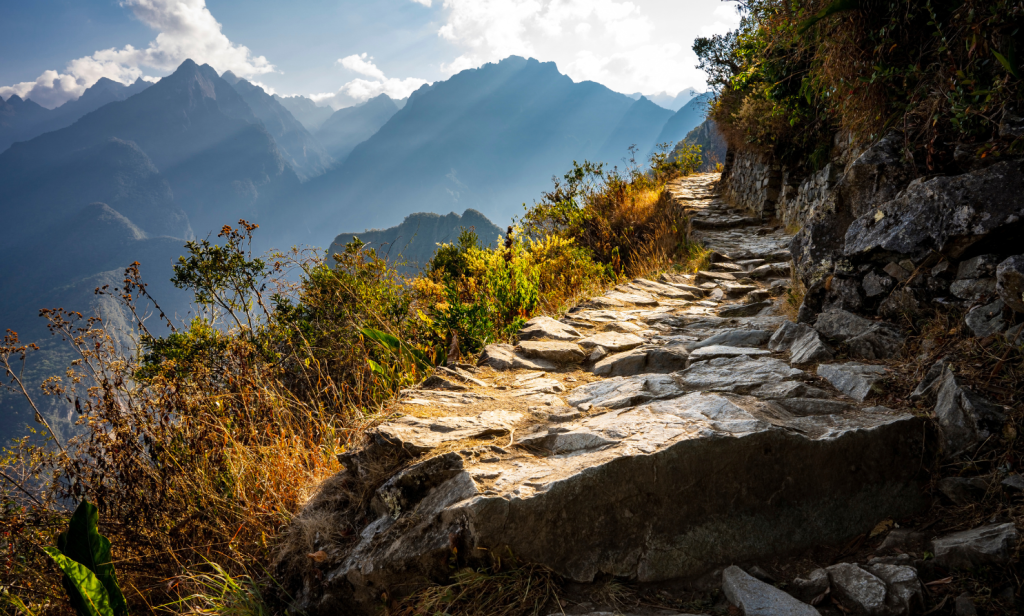
The Classic Inca Trail is a four-day trek through cloud forest, high mountain passes and ancient Inca ruins, culminating in arrival at Machu Picchu through the Sun Gate at dawn. It is one of the most storied walking routes in the world, and for good reason.
The trail reaches its highest point at Dead Woman’s Pass, at 4,215 metres, before descending through some of the most biodiverse terrain in South America. Along the route, lesser-known Inca sites appear at intervals, each one a reminder that this was not merely a path but a sacred road.
Enigma was among the first operators in Peru to offer luxury trekking, and our Inca Trail program includes expert guides, master chefs, state-of-the-art camping equipment and on-trail massage therapists. The experience is demanding and deeply rewarding in equal measure.
READ ALSO: The History of the Inca Trail
Ausangate and Rainbow Mountain

For travelers seeking something beyond the well-worn circuit, the Ausangate massif offers an experience of the Andes that is rawer, higher and more remote.
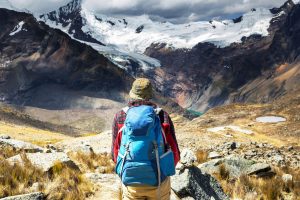
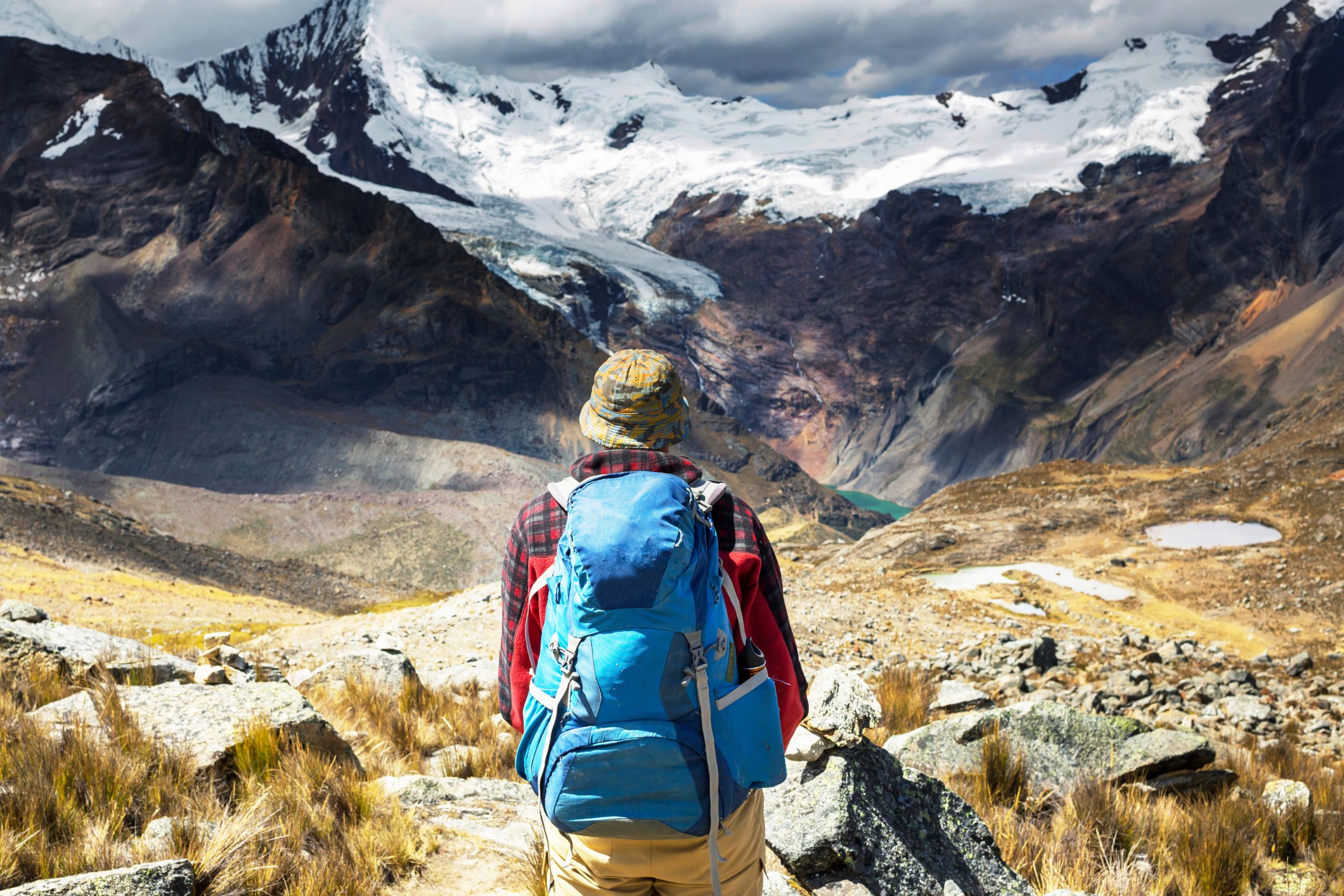
At 6,384 metres, Ausangate is one of the most sacred Apus, or mountain gods, in Andean cosmology. The treks around its flanks pass through mountain passes exceeding 5,000 metres, alongside turquoise glacial lakes and herds of alpacas moving through landscapes that feel entirely undisturbed.
Vinicunca, known as Rainbow Mountain, sits nearby at 5,200 metres. Its extraordinary striped mineral colouring, layers of red, gold, green and white running across the ridge, has made it one of the most visually striking destinations in all of Peru.
Enigma designs private Ausangate expeditions with full luxury camp set-ups, curated menus and guides whose understanding of this terrain and its spiritual significance adds a dimension that transforms a physical challenge into something genuinely meaningful.
Choquequirao: Peru’s Most Beautiful Secret
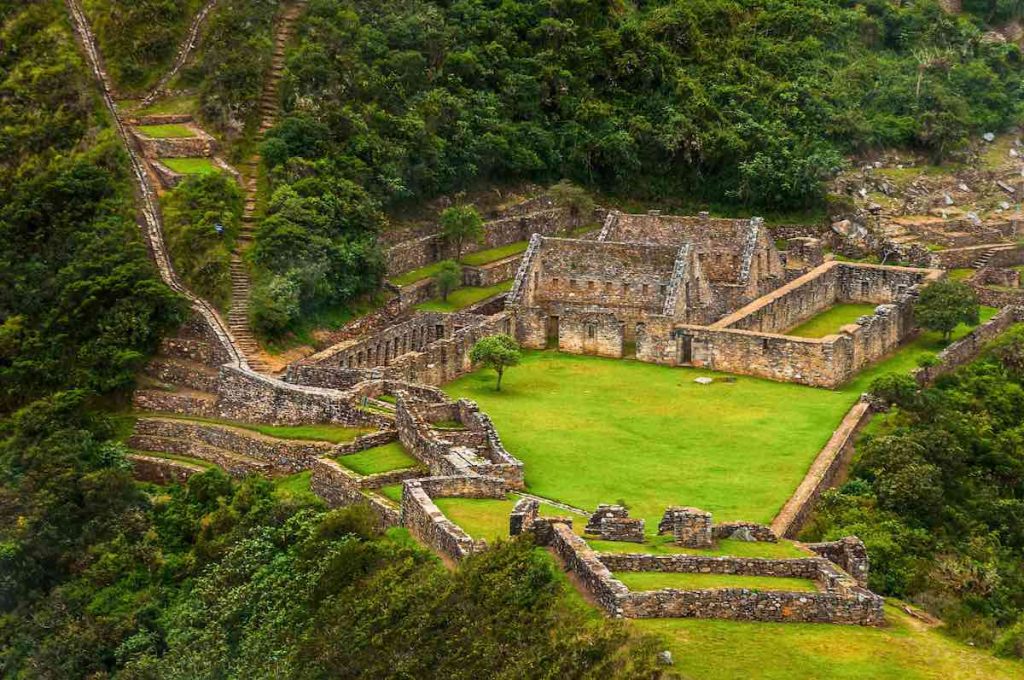
Deep in the canyon between the Apurímac and Vilcabamba rivers lies Choquequirao, an Inca citadel of remarkable scale and preservation. Known in Quechua as the Cradle of Gold, it has been called the other Machu Picchu, though in truth it deserves to stand entirely on its own terms.
The trek to Choquequirao takes a minimum of four days each way and involves significant elevation change through dramatic canyon scenery. Because of this, visitor numbers remain a fraction of those at Machu Picchu, and the experience of arriving at a site of this scale in near-solitude is one that few places in the world can still offer.
Enigma operates private Choquequirao expeditions for travelers ready to earn one of the Andes’ most extraordinary rewards.
Wellness and Spirituality: The Inner Journey
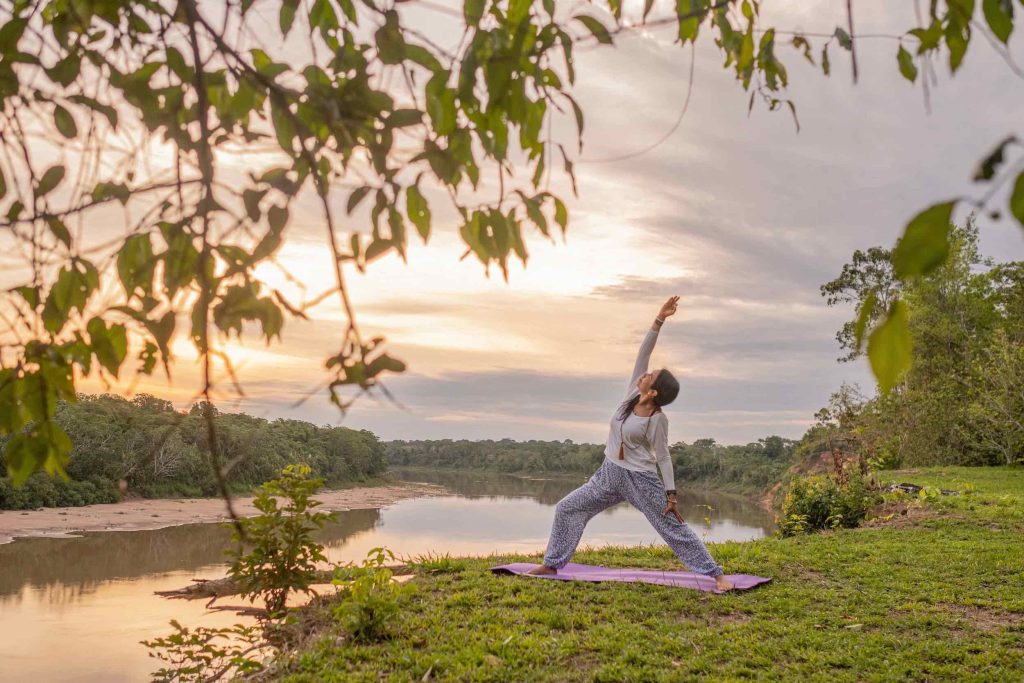
The Peruvian Andes have always been a place of inner encounter. Our wellness and spirituality programs are designed for travelers who wish to experience Peru at a deeper level, connecting with Andean traditions, ceremony and the kind of stillness that only high-altitude nature can provide.
Properties throughout the Sacred Valley and beyond offer retreats, yoga, holistic treatments and carefully curated menus built around Andean superfoods and local produce. The Andes, it turns out, are not only good for the soul. They are good for the body too.
Final Thoughts
The Peruvian Andes are inexhaustible. A single journey will not contain them. What it can do, if approached with patience and genuine expertise, is open a door.
The right guide, the right itinerary and the right operator make all the difference between a collection of impressive landmarks and an experience that genuinely changes how you see the world.
We’ve spent decades in this landscape, and our understanding of it shows in everything we do.
FAQs: Must-See Experiences in the Peruvian Andes
The dry season, from May to October, is generally considered the best time. Skies are clearer, trails are drier and conditions for high-altitude trekking are at their most reliable. The shoulder months of April and November can also offer beautiful conditions with fewer visitors.
Allow at least two full days in Cusco or the Sacred Valley before attempting any significant trekking. Stay well hydrated, avoid alcohol in the first days and move slowly. Enigma manages acclimatisation carefully within all their itineraries.
Not at all. Machu Picchu is accessible by train and bus from Cusco and requires no trekking. The site itself involves walking on uneven terrain, but it is manageable for most travellers at a comfortable pace.
The Inca Trail is the only route that allows you to enter Machu Picchu through the original Inca gateway at dawn. The archaeological sites along the route, the diversity of the terrain and the sense of journeying as the Incas did make it an experience that no other access route can replicate.
It is a demanding trek that requires a reasonable level of fitness and comfort with multi-day walking. It is not technical but it is sustained. Enigma Peru will assess suitability carefully and prepare each guest thoroughly before departure.
Every itinerary begins with a blank canvas. Enigma Peru listens to the traveller’s interests, pace preferences, physical condition and travel style before designing an experience from the ground up. No two journeys are the same.