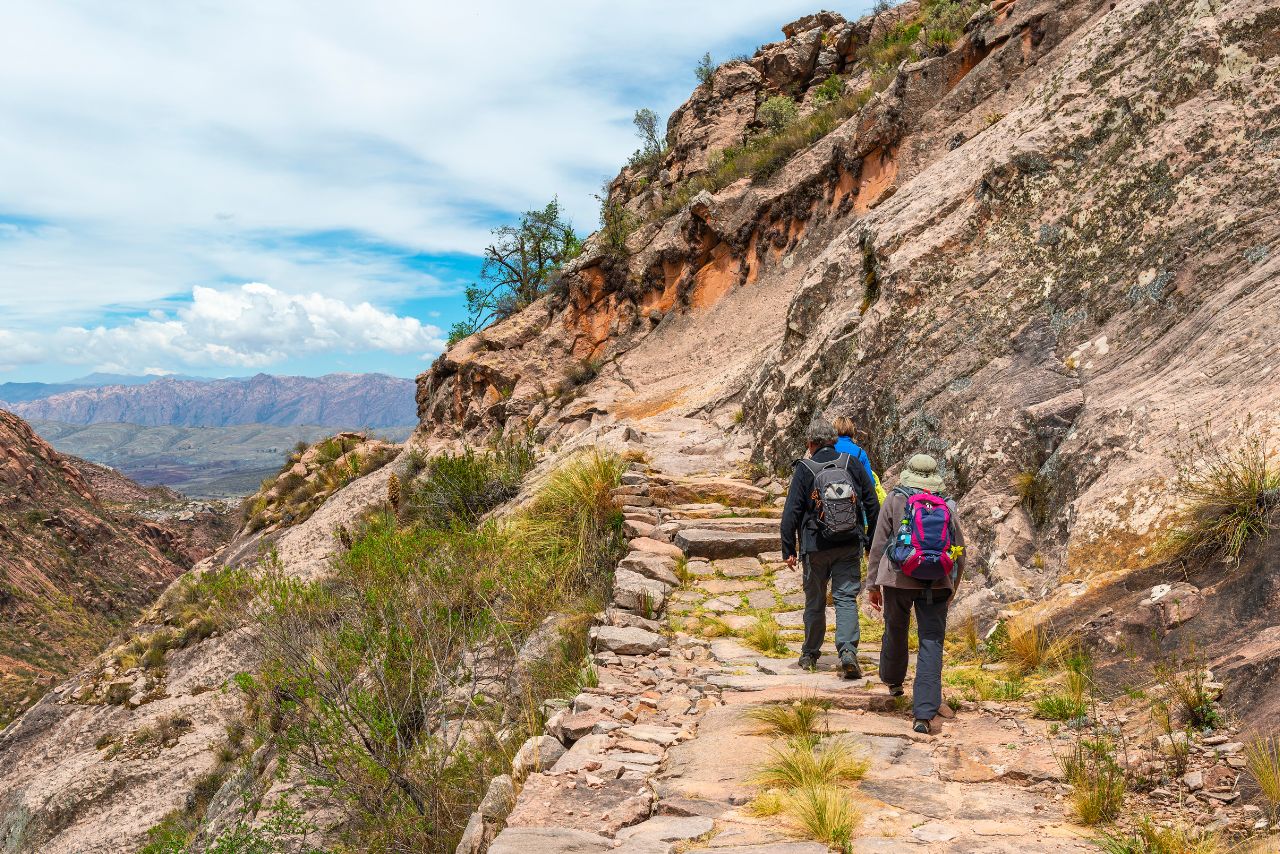
Few journeys in the world ask as much of you as the Inca Trail, and few repay the effort so completely. Over four days and 43 kilometres of ancient cobblestone, the route climbs from the fertile floor of the Sacred Valley to the cold air of Dead Woman’s Pass at 4,215 metres, descends through cloud forest loud with birdsong, and arrives at the Sun Gate as dawn breaks over Machu Picchu. What you carry on that journey matters enormously.
The wrong boots will end a trek before the first camp. Too many layers and your pack breaks your shoulders by day two. Too few and you shiver through a Andean night at 3,600 metres. This guide is written by a team that has walked the Inca Trail hundreds of times, in every season, in every type of weather. It is not a generic list. It is precisely what you need, and nothing more.
The Inca Trail requires an official licensed operator, and porters will carry your main bag between camps. On the trail itself, you carry only a daypack. That distinction shapes this entire guide. What goes in your daypack each morning, and what you hand to the porter team at camp, are two different conversations.
Enigma Peru has led private and group Inca Trail treks since 2002. Our guides will walk every step of this route with you and are available to advise on gear before you depart. Click here to start planning your trek.
Key Takeaways: What to Pack for the Inca Trail
- The Inca Trail crosses five ecological zones and three mountain passes, reaching 4,215 metres at Dead Woman’s Pass. Your kit must be prepared for cold, heat, rain, and everything in between.
- Porters carry your main bag between camps, but it must weigh no more than seven kilograms. On the trail each day, you carry only a daypack of 15 to 25 litres.
- Your single most important piece of kit is your footwear. Well-broken-in, waterproof, ankle-supporting trekking boots are non-negotiable. Do not buy new ones for this trek.
- A sleeping bag rated to at least minus five degrees Celsius is essential. High-altitude camp nights are genuinely cold, regardless of the time of year.
- A waterproof rain jacket is required in every season. Afternoon cloud and mist in the cloud forest arrive without warning, even in the dry season months of May to September.
- Spend at least two nights acclimatising in Cusco before your trek begins. Altitude affects people regardless of fitness level, and day two is the most physically demanding day on the route.
- Inca Trail permits are strictly limited and sell out months in advance, particularly for July and August. Book your trek, and your packing list, well ahead of departure.
Understanding the Trail Before You Pack
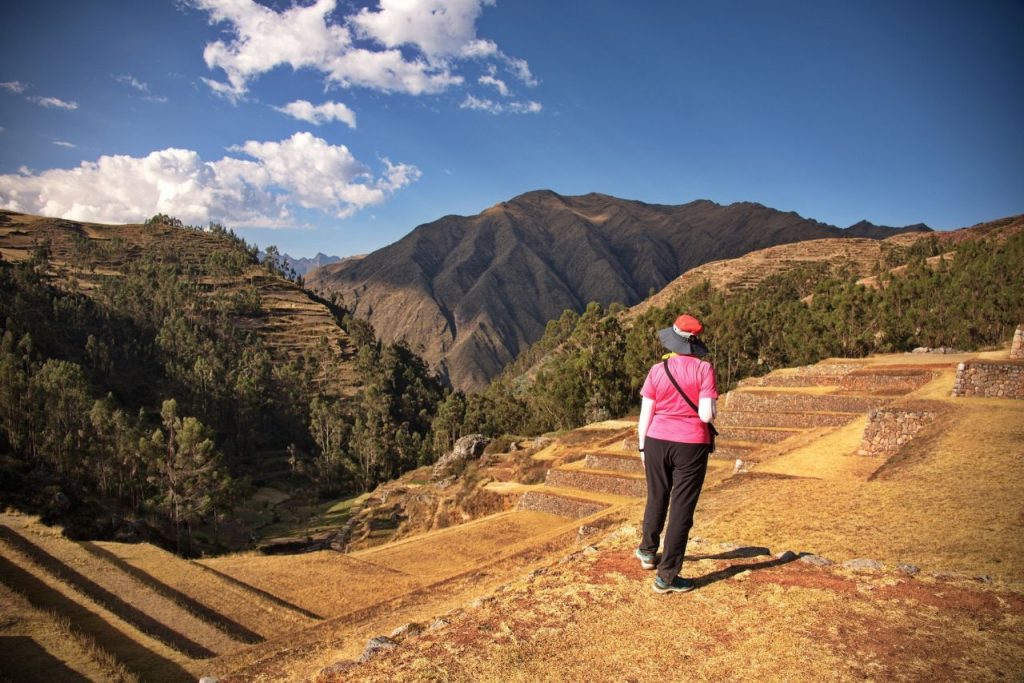
The Classic Inca Trail is 43 kilometres, typically completed over four days and three nights. It begins at Kilometre 82 near Ollantaytambo and finishes at Machu Picchu, entering through the original Inca gateway at the Sun Gate.
Along the way it crosses three mountain passes, the highest being Dead Woman’s Pass (Abra Warmihuañusca) at 4,215 metres above sea level.
The terrain moves through five distinct ecological zones: river valley, high Andean grassland or puna, cloud forest, subtropical jungle, and the archaeological corridor leading to Machu Picchu.
Each zone has its own temperature, humidity, and underfoot conditions. A morning at camp can be below freezing. By midday, you may be trekking in full sun at altitude. By afternoon in the cloud forest, mist arrives without warning. Your packing list must account for all of it.
The trail is open from March through January, with February reserved for maintenance and conservation. The dry season runs from May to September, offering the most reliable skies.
The rainy season, from October to January and again in March, brings lush green landscapes, dramatically lower crowds, and the very real possibility of rain on any given day.
READ ALSO: The History of the Inca Trail
Enigma’s Insider Note: Permits for the Inca Trail are strictly limited to 500 people per day, of which roughly 40 percent are porters. That leaves approximately 300 trekkers on the route at any given time, spread across two entry points and multiple campsites. It is far quieter than most people expect.
Your Daypack: What You Carry on the Trail Each Day
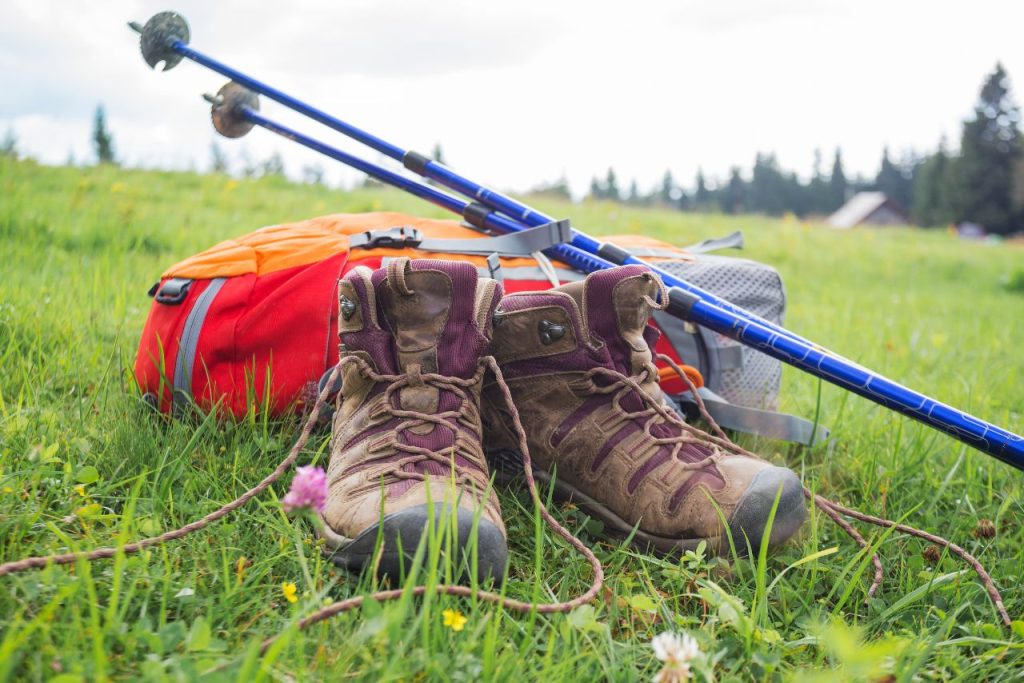
The porters carry your main bag between camps. On the trail, you carry a daypack of 15 to 25 litres. Keep it light. The altitude and the gradient of day two will test you, and every unnecessary gram will register by Dead Woman’s Pass.
The Daypack Itself
- A 20 to 25-litre daypack with a hip belt to transfer weight off your shoulders. Hip belt pockets for snacks and lip balm are worth having.
- A rain cover that fits your pack. This is non-negotiable. Even in dry season, afternoon mist in the cloud forest can soak an uncovered pack within minutes.
- A small padlock for your main bag, which is handed to the porter team each morning.
Water and Hydration
Staying hydrated at altitude is essential for both performance and acclimatisation. You need a minimum of two litres of water accessible on the trail at all times.
- A 1.5-litre water bottle or hydration bladder. Many trekkers use both.
- Water purification tablets or a SteriPen. Water from natural sources is available along the trail but must be treated.
- Electrolyte sachets. These are more useful than plain water at altitude, where you lose salts quickly.
Clothing for the Day
You will change layers repeatedly throughout each day. What you put in your daypack each morning depends on the season and the day’s elevation profile. The following should always be accessible.
- A lightweight, packable rain jacket. Waterproof, not just water-resistant. Gore-Tex or equivalent.
- A mid-layer fleece or softshell for the cold of the high passes.
- Sun protection: hat, sunglasses rated UV 400 or above, and SPF 50 sunscreen. Altitude intensifies UV exposure significantly.
- A pair of light gloves for the mountain passes, where temperatures can drop sharply even in summer.
- Trekking poles, if you use them. They are particularly valuable on the steep descent after Dead Woman’s Pass and on the long stone steps below Phuyupatamarca.
Trail Snacks and Nutrition
Your operator will provide meals at camp, and some provide a packed lunch. Carry personal snacks for energy between stops. The trail moves at altitude, where appetite is often suppressed but caloric need remains high.
- High-energy snacks: nuts, dried fruit, energy bars, dark chocolate.
- Coca leaves or coca sweets. Widely used in the Andes for altitude, available easily in Cusco.
- Ginger candies for nausea if you are sensitive to altitude.
Electronics and Camera
- Spare memory cards and a small dry bag or zip-lock for rain protection.
- A fully charged camera or phone with a protective case.
- A portable power bank. There are no charging points on the trail.
- A headlamp with fresh batteries. You will need it in camp and on the early start of day four.
READ ALSO: Inca Trail vs Salkantay vs Choquequirao: Which Trek is Right For You
The view from Intipunku, the Sun Gate, at dawn on day four is one of the most extraordinary sights in South America. Make sure your camera is charged and your memory card is empty.
Your Main Bag: What the Porters Carry
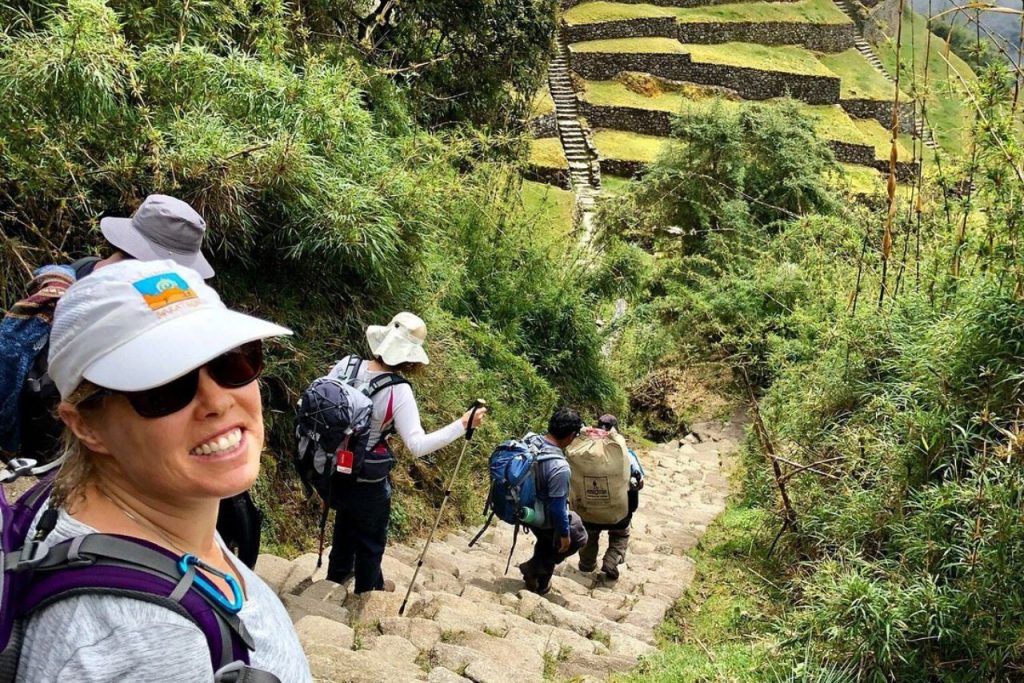
Your main bag should weigh no more than seven kilograms, which is the standard limit set by Inca Trail regulations to protect porter welfare. Pack it the night before departure and hand it over at the trailhead. You will not access it until you reach camp.
Most licensed operators, including Enigma, provide a duffel bag with a set weight limit. Pack your camp bag inside it, clearly labelled, to avoid any confusion at the trailhead.
Sleeping Gear
Reputable operators provide sleeping tents and sleeping mats. You should bring your own sleeping bag unless your operator provides one.
- A sleeping bag rated to at least minus five degrees Celsius. On cold nights at high camp, temperatures can fall below this. Do not compromise on warmth for the sake of weight here.
- A lightweight silk or fleece inner liner adds warmth and keeps the bag clean.
- Earplugs and an eye mask if you are a light sleeper. Camps can be noisy in the early morning.
Clothing for Camp
Evenings at camp on the Inca Trail are cold, particularly at the high camps on nights two and three.
- Thermal base layers, top and bottom, in a moisture-wicking synthetic or merino wool fabric. Two sets is ideal: one for trekking, one clean set for sleeping.
- Warm mid-layer: a down or synthetic insulated jacket. This is the most important piece of clothing in your camp bag.
- Warm trousers or fleece-lined leggings for evenings.
- Warm hat and a neck gaiter or buff.
- Camp shoes or sandals. After a full day of trekking, removing your boots and letting your feet breathe is essential.
- Two or three changes of moisture-wicking trekking socks. Merino wool is preferred.
- Clean underwear for each day.
- A light, packable towel.
Trekking Clothing
- Well-broken-in trekking boots with ankle support. This is the single most important piece of kit on the list. Do not buy new boots for this trek. They must be worn in for a minimum of several weeks beforehand.
- One to two pairs of trekking trousers in a quick-dry fabric. Convertible zip-off trousers are practical for temperature changes during the day.
- Three to four moisture-wicking trekking shirts.
- A light long-sleeved sun shirt for the lower sections of the trail.
- A sports bra or compression layer for women.
Enigma’s guide team has seen more trekkers sidelined by blisters and boot-related injuries than by altitude. Invest in quality footwear and break it in properly. We recommend bringing blister prevention tape and moleskin as well.
Toiletries and Personal Items
- Biodegradable soap, shampoo, and toothpaste. The Inca Trail passes through a protected UNESCO heritage area and the Machu Picchu Historical Sanctuary. Biodegradable products are a minimum standard of responsible travel here.
- Toilet paper and a small trowel. Facilities exist at checkpoints but are basic.
- Hand sanitiser. Use it before every meal and after every toilet stop.
- Lip balm with SPF. The combination of altitude, wind, and sun is punishing.
- Blister kit: moleskin, second skin, micropore tape, and small scissors.
- Personal medication and any prescription items.
- Altitude sickness medication (acetazolamide) if your doctor has prescribed it. Consult a physician before departure.
READ ALSO: What to Know before Traveling to Machu Picchu
What to Wear on Your Feet
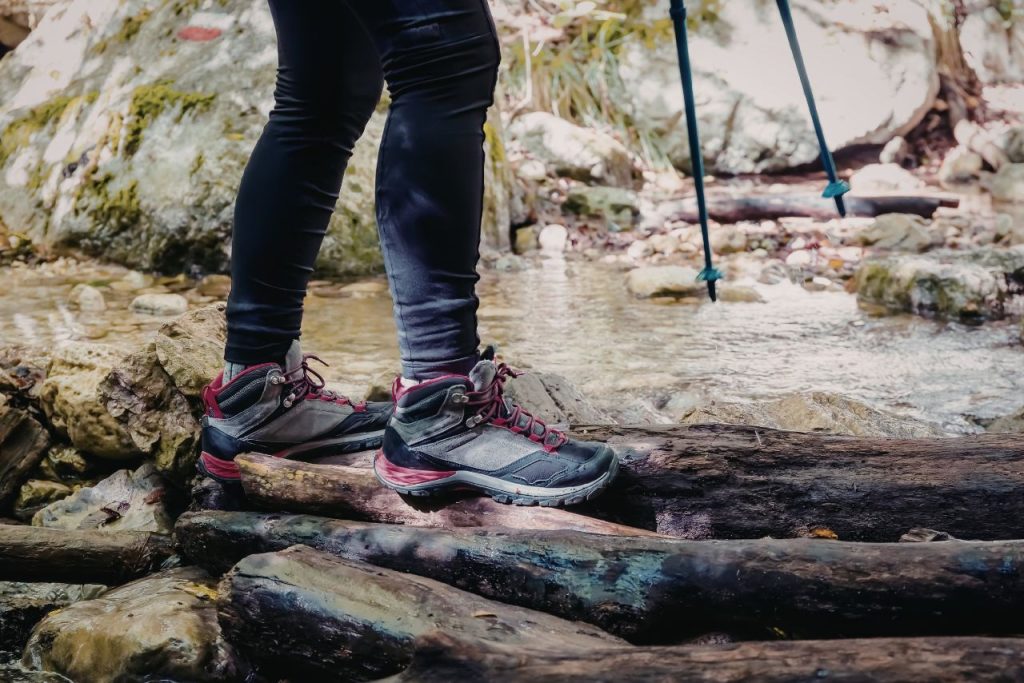
Feet deserve their own section. The Inca Trail is paved with ancient cobblestone, uneven stone steps, and compacted earth paths. The gradient is relentless on day two. Your feet carry you every step of the way.
- Trekking boots: waterproof, ankle-supporting, and thoroughly broken in. A mid-weight boot with a stiff sole is ideal for the cobblestone sections.
- Trekking socks in merino wool or a wool-synthetic blend: at least three pairs. Merino regulates temperature, resists odour, and reduces friction.
- Sandals or flip-flops for camp.
- Gaiters are useful during the rainy season to keep mud out of your boots on the lower sections of the trail.
If you are prone to blisters, apply tape to known hot spots before your first step each morning. Do not wait until blisters form to treat them.
READ ALSO: Peru Traditions, Holidays & Festivals: The Annual Calendar Travelers Should Know
Packing for the Inca Trail by Season
The season you trek in fundamentally changes what you need. Both dry and wet season have their advantages. Neither should discourage you.
Dry Season (May to September)
This is the most popular time to trek. Days are often sunny and clear. Nights are cold, particularly at altitude. The trail can be dusty on the lower sections.
- Full layering system as described above.
- Lightweight rain jacket is still essential: afternoon cloud and brief rain are possible even in dry season.
- Sunscreen and UV eye protection are critical: the Andean sun at altitude is intense.
- Dust mask or buff for the lower trail sections on dry days.
Wet Season (October to January, March)
Rain is frequent but rarely continuous. Crowds are significantly lower and the landscape is extraordinarily lush.
- Waterproof overpants in addition to your rain jacket.
- Gaiters to manage mud on the trail.
- Dry bags for electronics, clothing, and your sleeping bag inside your main bag.
- Waterproof covers for both your daypack and main bag.
- A packable umbrella is a personal preference that some trekkers swear by for the cloud forest sections.
March is one of the finest months to trek the Inca Trail. The route reopens after its February conservation closure, vegetation is at its most vivid, and daily permit numbers are lower than at any other point in the season.
What to Leave Behind
Every item you do not need is weight you do not carry at 4,200 metres. Leave these behind.
- Heavy books or printed guides. Your guide from Enigma carries the knowledge.
- A full-sized tripod. A lightweight travel tripod or gorilla pod suffices.
- Valuables and excess cash. Cusco is where to sort this before departure.
- Multiple pairs of jeans or heavy casual clothing. There is nowhere on the trail to wear them.
- Aerosol cans or non-biodegradable products.
- Anything you would not miss if it were left behind.
If in doubt, leave it. The trail will teach you this lesson efficiently if you do not learn it in advance.
Enigma is B Corp certified and a partner of The Long Run, a global sustainability initiative in the travel industry. Responsible travel on the Inca Trail, including proper porter standards and biodegradable products, is not a bonus. It is the baseline.
READ ALSO: What Peruvians Eat for Easter
Frequently Asked Questions
Porters are permitted to carry a maximum of 20 kilograms in total, including their own personal gear. Your main bag should weigh no more than 7 kilograms. Most operators provide a duffel bag at the trailhead and will weigh your bag before departure. If you are over the limit, you will need to remove items.
They are not essential but are strongly recommended. Trekking poles reduce impact on your knees significantly on the steep stone descents, particularly after Dead Woman’s Pass on day two and on the long stone staircase below Wiñaywayna on day three. Collapsible carbon fibre poles are the most practical for packing.
A sleeping bag rated to at least minus five degrees Celsius is recommended. High-altitude camps, particularly the night near Dead Woman’s Pass, can be very cold. Down sleeping bags are lighter and more compressible but lose insulation when wet. A synthetic bag is more practical for the wet season.
Spend at least two nights in Cusco (3,400 metres) before your trek begins. Hydrate well, avoid alcohol in the first 48 hours, and eat lightly. Consult your doctor about acetazolamide (Diamox) before travel. Coca tea and coca leaves are widely used in the Andes and are available everywhere in Cusco.
A reasonable level of cardiovascular fitness is required. Day two, which crosses Dead Woman’s Pass, is the most demanding day and involves approximately nine kilometres of steep ascent. You do not need to be an athlete, but you should be comfortable with sustained uphill hiking for several hours.
Ready to Walk the Inca Trail?
Enigma Peru has been leading private Inca Trail treks from Cusco since 2002. Our experienced guide team walks every step with you. We handle permits, porter logistics, camp meals, and all the details that make this journey genuinely effortless.