Greetings, basic phrases, and slang you’ll actually hear in Peru!
Peru is one of those places where a little language goes a long way. You don’t need perfect Spanish. You just need the right Spanish such as the greetings people use all day, the polite phrases that smooth every interaction, and a few local slang words (jerga) you’ll hear in taxis, markets, and casual conversations.
This pillar page is your practical guide to Peruvian Spanish basics: what people commonly search before a trip (hello, thank you, “how much is this?”, directions, and ordering food), plus a safe, traveller-friendly slang overview, with clear meaning, when to use it, and when not to.
These reads to keep open as you go:
Key Takeaways: Peruvian Spanish for Travelers (Greetings, basic phrases, slang)
- You don’t need fluent Spanish, you need just the right Spanish: greetings, polite phrases, and a few travel essentials.
- The most useful basics are Hola, Buenos días/tardes/noches, por favor, gracias, disculpe/perdón, and simple “help” phrases.
- Restaurant Spanish is simple and repeatable: menu, recommendations, spice level, and the bill (“La cuenta, por favor”).
- For shopping and taxis, learn ¿Cuánto cuesta? and a polite follow-up for discounts; tone matters as much as wording.
- Peruvian Spanish has its own rhythm and local vocabulary; slang is best treated as listening-first.
- Tourist-safe slang exists, but context matters—use friendly words only when you’re sure, and skip anything rude or loaded.
- A quick learning plan works best: Level 1 greetings → Level 2 survival phrases → Level 3 slang listening.
What language do people speak in Peru?

Most people you’ll meet in Peru speak Spanish, and it’s the main language for travel. Peru is also multilingual: Quechua and Aymara are official languages in areas where they predominate, alongside Spanish.
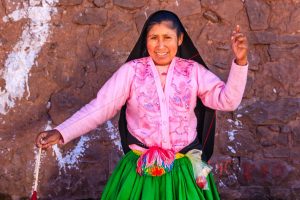
For travelers, that means Spanish will carry you through hotels, restaurants, guides, and cities. In parts of the Andes and around Lake Titicaca, you may also hear Quechua or Aymara more often, especially in rural communities, so a respectful attitude (and a few polite Spanish phrases) matters.
What do people search most before learning “Peruvian Spanish”?
People usually search for fast, practical phrases such as greetings, polite words, numbers, food ordering, directions, and “how much?” If you learn only these, you’ll feel instantly more confident.
Common search-style questions include:
- “How do you say hello in Peru?”
- “How do you say thank you in Peru?”
- “What does ‘bacán’ mean in Peru?”
- “Is it rude to use Peruvian slang as a tourist?”
- “How do I order ceviche in Spanish?”
- “How do I ask for the bill in Peru?”
This article answers all of that, in the order you’ll actually use it on the ground.
How do you say hello in Peru?

The most common “hello” in Peru is “Hola.” For polite, everyday greetings, Peruvians use Buenos días / Buenas tardes / Buenas noches depending on the time of day.
If you want to sound natural (without trying too hard), focus on polite consistency. Peru tends to value everyday courtesy, especially in shops, hotels, and with service staff.
Use these confidently:
- Hola: Hi / Hello
- Buenos días: Good morning
- Buenas tardes: Good afternoon
- Buenas noches: Good evening / Good night
- Buenas: Quick, casual polite hello
Want the full breakdown (including who to use what with)? Read: How to say hello and goodbye in Peru
How do you say goodbye in Peru?
The most common goodbyes are “Chau” and “Adiós,” and polite exits often include “Que tenga un buen día” (Have a nice day). The right choice depends on formality and context.
In everyday situations, Chau is your easy, friendly default. Adiós can feel a bit final in some contexts (not always, but often), so many travelers stick with Chau, Hasta luego (see you later), and Hasta mañana (see you tomorrow).
What polite phrases should I use every day in Peru?
If you learn only one category of Spanish for Peru, make it polite phrases. They reduce awkward moments, help you get better service, and show respect in a way Peruvians really notice.
These are your daily essentials:
- Por favor: Please
- Gracias / Muchas gracias: Thank you / Thank you very much
- De nada: You’re welcome
- Disculpe / Perdón: Excuse me / Sorry
- Con permiso: Excuse me (passing through)
What basic Spanish phrases do I need for restaurants in Peru?
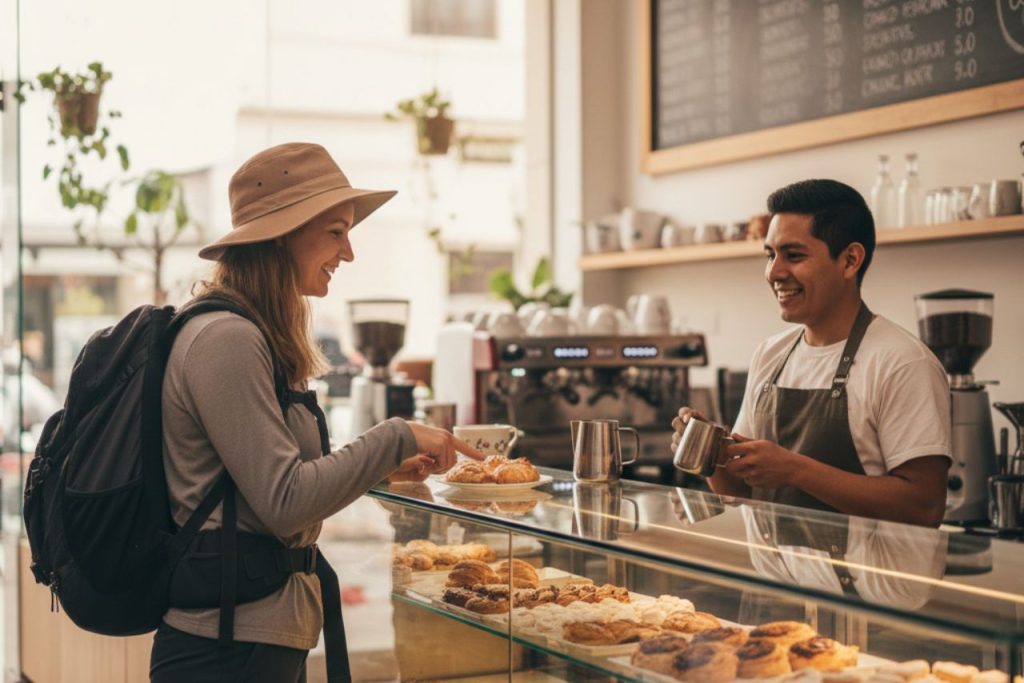
You’ll use a small set of phrases repeatedly: asking for a menu, ordering, checking ingredients, and asking for the bill. Even if you pronounce it imperfectly, it works.
Try these:
- ¿Me puede traer la carta, por favor?: Can you bring me the menu, please?
- ¿Qué me recomienda?: What do you recommend?
- Quisiera… : I would like… (polite)
- Sin picante / Poco picante: Not spicy / A little spicy
- La cuenta, por favor: The bill, please
- Para llevar: To take away
If food is part of your trip (and in Peru, it should be), pair these phrases with your must-try dishes planning so ordering feels easy.
What basic Spanish phrases do I need for hotels and tours?
For hotels, you mostly need “check-in basics,” timing, and simple problem-solving phrases. For tours, you’ll ask about meeting points, schedules, and comfort needs.
Hotel-friendly phrases:
- Tengo una reserva a nombre de… : I have a reservation under…
- ¿A qué hora es el desayuno?: What time is breakfast?
- ¿Me puede ayudar, por favor?: Can you help me, please?
- ¿Tiene Wi-Fi?: Do you have Wi-Fi?
Tour-friendly phrases:
- ¿A qué hora salimos?: What time do we leave?
- ¿Dónde nos encontramos?: Where do we meet?
- Necesito un minuto: I need a minute
- ¿Está lejos?: Is it far?
How do I ask for prices and shop politely in Peru?

Use polite price questions, then add a soft follow-up if you want to negotiate. A friendly tone matters more than “perfect Spanish.”
Start here:
- ¿Cuánto cuesta?: How much does it cost?
- ¿Cuánto es?: How much is it?
- ¿Me puede dar un descuento?: Can you give me a discount?
- ¿Cuál es su mejor precio?: What’s your best price?
Tip: In markets, a warm greeting and “por favor” changes the whole interaction.
What makes Peruvian Spanish different?
Peruvian Spanish is regular Spanish, but with local rhythm, local words, and some common conversational fillers. Travelers notice it most in slang (jerga), pronunciation differences, and the way people add emphasis with small words at the end of sentences (like “pues/pe”).
A few simple things to know:
- Peru (like most of Latin America) uses ustedes for “you all” (not “vosotros”).
- You’ll hear local vocabulary influenced by Indigenous languages, especially Quechua, alongside everyday slang.
- Slang is highly context-based: fun with friends, less appropriate in formal settings.
What is Peruvian slang?
Peruvian slang (jerga) is informal, everyday language used in Peru, especially in casual conversation. It helps you understand locals more than it helps you “perform” Spanish.
The goal as a traveler isn’t to use every slang word you learn. The real win is this: you hear it, you understand it, and you don’t feel lost in a taxi conversation or a friendly chat at a bar.
Is it safe for tourists to use Peruvian slang?
Yes, if you stick to friendly slang you fully understand, and you avoid anything rude or loaded. Enigma’s slang guide recommends starting with light, positive words, and checking with your guide if you’re unsure.
A good rule:
- Understand first, use second.
- Use slang only in informal situations (friends, markets, casual chats).
- Skip slang in hotels, formal restaurants, museums, or anything official.
What are easy Peruvian slang words I can use right away?

Start with positive, low-risk slang, such as words locals use constantly that won’t offend anyone. Enigma specifically suggests starting “light.”
Here are a few common examples you’ll hear in Peru (and often beyond):
- Bacán — cool / great
- Chévere — cool / nice
- Chamba — work / job
- Chela — beer
- Jato — house / home (also “sleep” in some contexts)
- Yapa — a little extra bonus (often at markets)
What slang should I be careful with in Peru?
Be careful with slang that can be insulting, class-coded, or context-sensitive. Some words appear common online, but can land badly depending on who you’re talking to and how you say it.
This is why Enigma advises avoiding “strong” words until you’re sure, and asking your guide if something is rude.
What are common Peruvian “filler words” you’ll hear?
You may hear Peruvians add small words for emphasis, rhythm, or friendliness, especially “pues/pe.” Linguistic references commonly describe Peruvian Spanish as using the sentence-ending “pues” and variants like “pe.”
You don’t need to copy these to be understood. But recognizing them helps a lot when listening to fast speech.
What are useful Spanish words in Peru that come from Quechua?
A number of everyday Spanish words used in Peru come from Quechua, especially food and culture words. Examples include choclo (corn), cancha (toasted corn/cornnuts; also “field” in other contexts), and quinoa.
You’ll see this influence in menus, markets, and ingredient conversations, another reason Peru feels so distinct, even if you’ve traveled elsewhere in Spanish-speaking Latin America.
A simple 3-level learning plan for your Peru trip
The fastest way to learn Peruvian Spanish is to build it in levels: greetings → survival phrases → slang listening. That keeps it practical and stops you from getting overwhelmed.
Level 1: Greetings + courtesy (Day 1)
Use ‘Hola’, ‘Buenos días/tardes/noches’ and ‘por favor/gracias every day.
Level 2: Survival phrases (Days 2–3)
Add directions, prices, and restaurant phrases.
Level 3: Slang listening (Days 4+)
Read the slang guide, then listen for those words in real conversations before you try using them.
FAQs: Peruvian language, slang & greetings
Do I need to speak Spanish to travel in Peru?
No, but basic Spanish makes travel smoother, especially outside tourist-heavy areas. Spanish is the main travel language, and Peru is also multilingual.
What’s the easiest way to greet someone politely?
Use “Buenos días / Buenas tardes / Buenas noches” plus “por favor” and “gracias.”
Is Peruvian Spanish very different from other Spanish?
It’s very understandable if you know standard Spanish, but it has its own slang, local vocabulary, and conversational habits (like “pues/pe”).
What’s one slang word I’ll hear constantly?
Words like bacán (cool/great) show up a lot in casual speech.
Final thoughts
If your goal is to feel comfortable in Peru, don’t aim for “fluency.” Aim for connected: greet people properly, use polite phrases naturally, and understand the slang you overhear.
That’s the difference between moving through Peru like a visitor and feeling, even briefly, like you belong in the rhythm of daily life.
And if you want a trip where you’re not just seeing Peru but genuinely interacting with it, from markets and culinary moments to local stories and guides who help you understand the culture as you go.
Ready to experience Peru beyond the guidebooks? Start planning