In Peru, the markets’ brightly colored textiles and fabrics may tempt you. Tourist markets have cute llama patterns and Inca-inspired designs that make great gifts. Knowing what you’re buying helps you get the best deal.
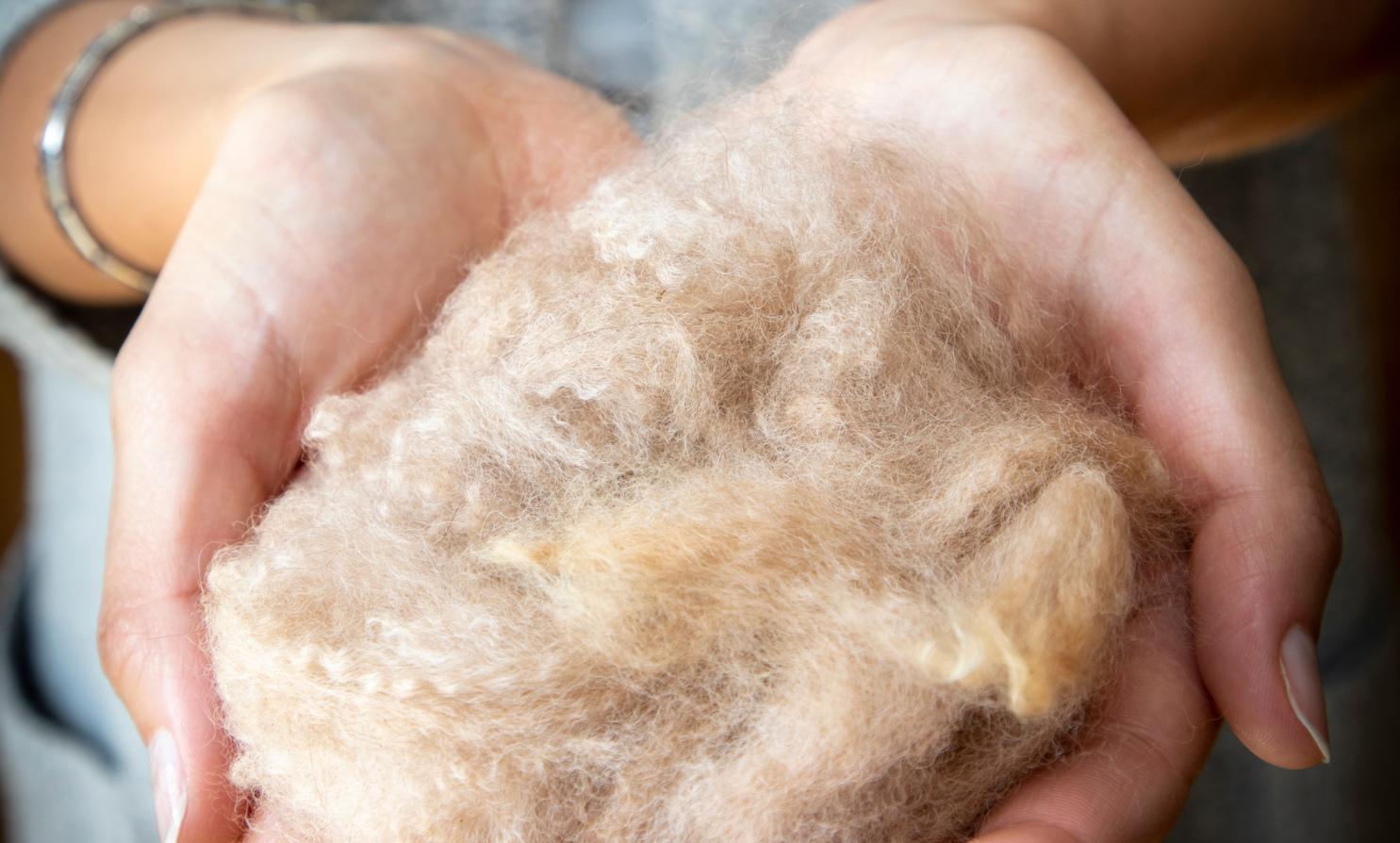
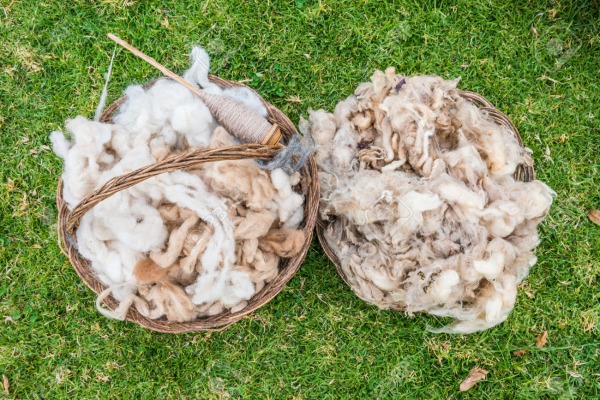
Alpaca wool is amazing. It is soft, warm, and breathable, making it ideal for winter but not too hot for spring or fall. The alpaca animal, a domesticated vicuña relative, produces the softest and most expensive wool in the world. Alpacas’ first two years produce the softest wool, called “baby alpaca” wool. Lanolin, a natural oil in sheep’s wool that makes itchy when touched, is absent from alpaca wool.
Peruvian markets are great for haggling, but you should also know what everything is made of. Although the tag says it’s made from alpaca or baby alpaca wool, it may not be. Product materials are often synthetic or a blend of alpaca wool, silk, sheep’s wool, or acrylic.
In order to know whether what you’re buying is made from real alpaca wool or synthetic materials, consider the following tips:
1. Feel the material

Compared to acrylic materials, real alpaca wool feels cool to the touch, whereas acrylic is warmer.
2. Consider its softness
Pure alpaca wool, especially baby alpaca, is soft. Brushing acrylic may feel soft on the outside, but the inside is likely rougher.
3. Weigh the material
Acrylic yarn is lighter than alpaca. Picking up and weighing a garment can reveal its alpaca content.
4. Examine the color

Most super-bright colors are likely to be made from synthetic, chemically-dyed materials. Alpaca products are usually natural or dyed with earthy shades of white, brown, gray, and red. Consider holding the garment to the light. Red, blue, and green sparkles are likely synthetic fibers added for color.
5. Check for seams
Oftentimes a quality, hand-made alpaca garment will be knit in one piece. If that is the case, there should be no inside seams. If a product has obvious inside seams, it may have been mass-produced using a synthetic material.
6. Ask the price
If the price seems too good to be true, chances are that is the case. Clothing made from quality alpaca wool can often be a bit pricey, so be prepared to pay a pretty penny more than what you would for other materials.
When it comes to purchasing quality alpaca products when traveling in Peru, it can be hard to know if what you’re buying is true alpaca in the markets. To be safe, we at Enigma would always advise that you make purchases from trustworthy sources.
Some of our favorite places to buy stylish and quality alpaca clothing include KUNA and Sol Alpaca, both of which offer many diverse and beautiful designs made from only the best alpaca fibers. If you have any questions about purchasing products made from alpaca wool while in Peru, we’d be happy to help and maybe give some shopping recommendations!
Build Your Private Journey With Enigma
Peru rewards travelers who go further than the headline. Enigma has designed private, tailor-made journeys across the country since 2002, from Cusco to the northern cloud forest. Our team builds each itinerary around your pace, your interests and the access we have spent two decades earning.
Let us design a private Peru journey in which every transfer, stay and experience belongs to the story of the trip.