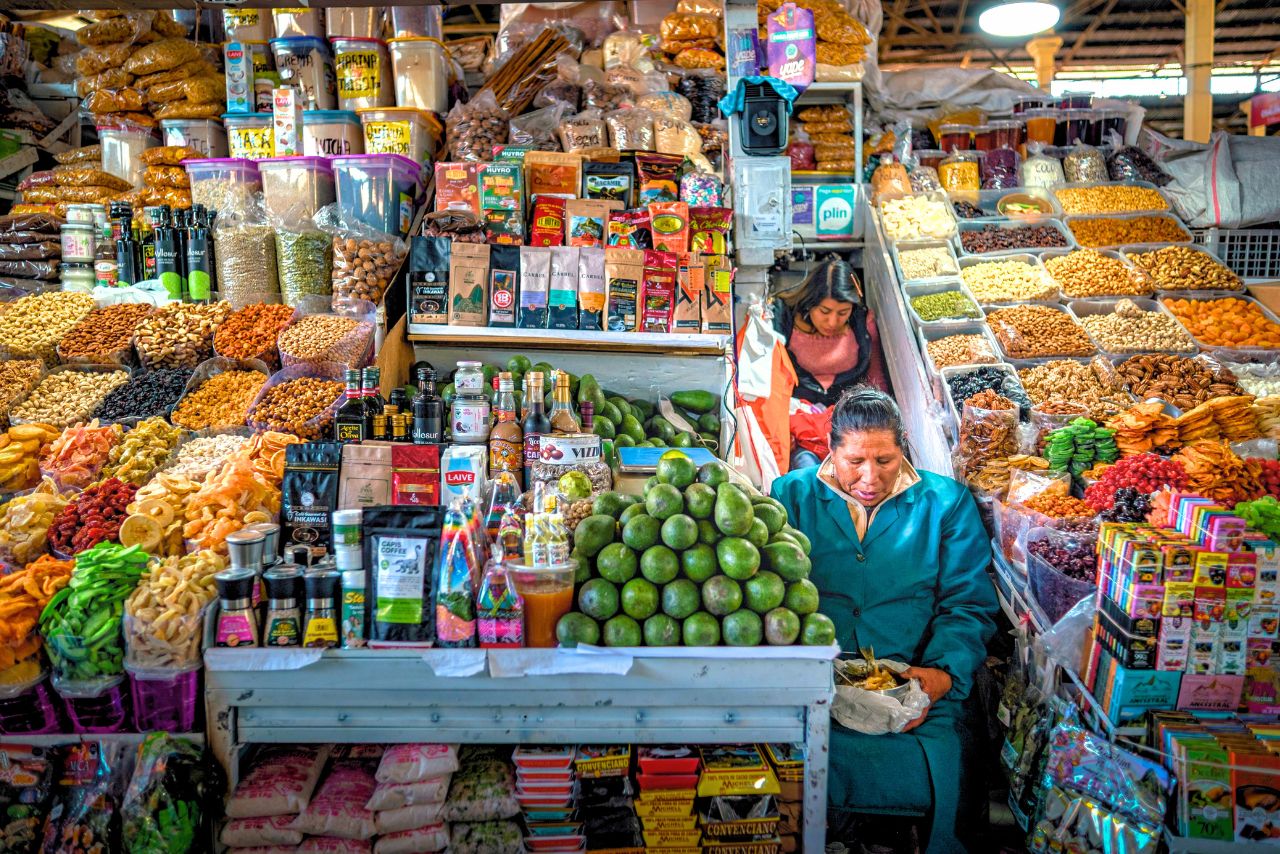
The markets in Cusco are places to learn about the city, more than any restaurant is. A menu shows what a kitchen decided to cook that evening. A market shows what the entire region grew, raised, and gathered that week. Cusco market culture is built on this difference. It rewards anyone willing to walk its aisles slowly rather than rush through them.
Each market in this Andean capital tells a slightly different story. Some serve tourists alongside locals. Others see almost no foreign visitors at all. They exist purely to feed the city’s neighborhoods day after day. You need to visit more than one of these spaces to get a sense of the market culture of Cusco. Each one reveals a layer of everyday life here.
This guide moves through five markets that together capture the full picture. San Pedro, San Blas, Huancaro, Wanchaq, and Urubamba each play their own part. Some sit in the historic center. Others lie just outside it, or further out in the Sacred Valley. All of them feed Cusco’s particular relationship with food, family, and tradition.
Key Takeaways: Cusco’s Market Culture
- San Pedro Market, designed in 1925 by Gustave Eiffel, remains the most visited and most central expression of Cusco market culture.
- San Blas Market offers a smaller, quieter alternative favoured by locals starting their day.
- Huancaro and Wanchaq markets see few tourists and reveal the city’s daily routine at its most authentic.
- Urubamba’s market draws on the Sacred Valley’s reputation for producing some of Peru’s finest corn.
- Visiting markets in the morning, carrying cash, and buying something small all make for a more respectful visit.
San Pedro Market
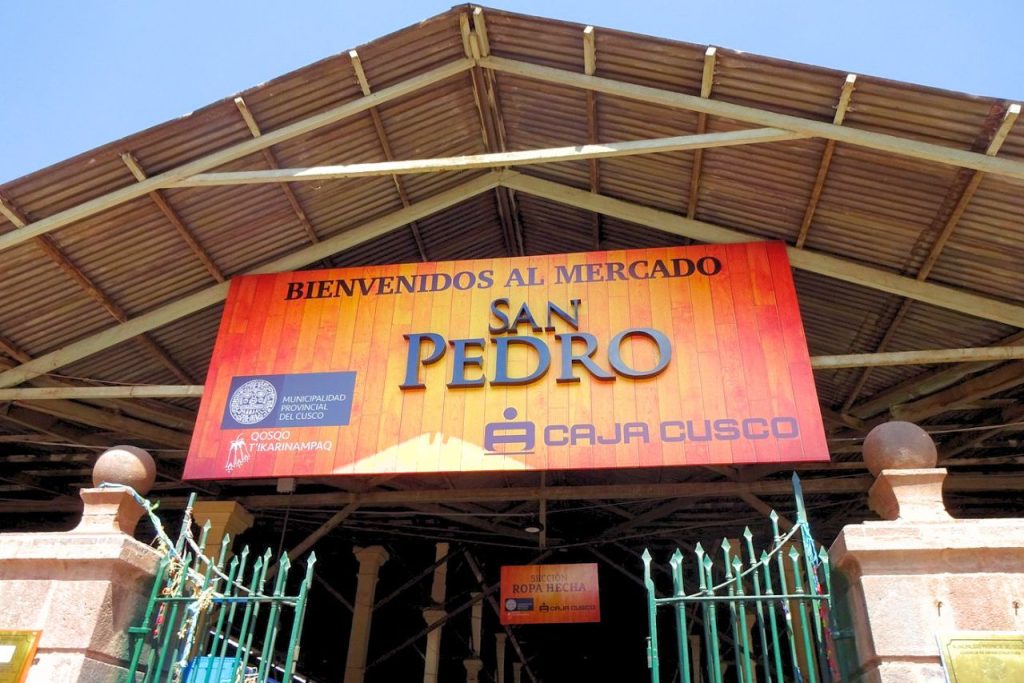
San Pedro stands just steps from Cusco’s main square, opposite the train station. It remains the most visited market in the city. It was designed in 1925 by Gustave Eiffel and is the oldest market in Cusco. Tradition, color, flavor, and aroma all meet under its roof.
Inside, vendors sell meats, cheeses, bread, coffee, chocolate, fruit, vegetables, and flowers from across the region. Visitors can also find handcrafts tucked between the food stalls. A glass of fresh juice, pressed in front of you, captures the spirit of the place. No guidebook description does it justice.
San Pedro sits at the center of Cusco market culture for a clear reason. It draws both locals doing their weekly shopping and visitors curious to see it. Few other places in the city bring these two crowds together so naturally.
READ ALSO: Peruvian Food & Drink: What It Is, What to Try, and Where to Eat in Peru (2026 Guide)
San Blas Market
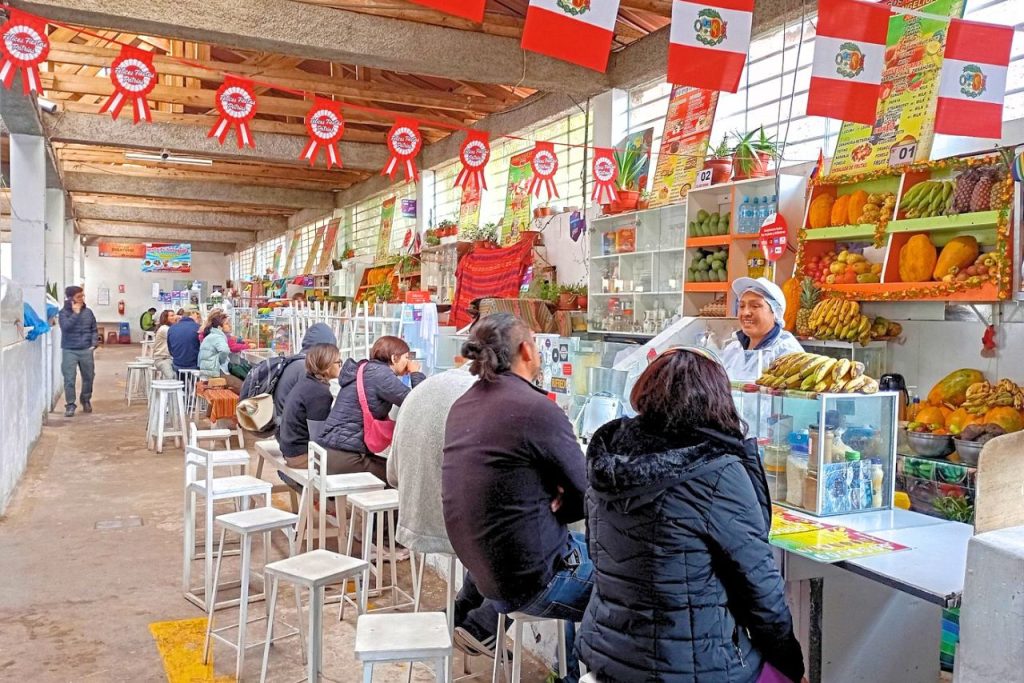
Above the historic center, in the bohemian neighborhood that shares its name, San Blas Market offers a more intimate experience. It is smaller than San Pedro and sees far fewer tourists. Prices stay lower here, and the pace stays slower. Locals come for breakfast, often choosing a fresh juice and a simple sandwich before starting the day.
The surrounding streets are home to painters, silversmiths, and artisan workshops. The market shares that same unhurried, neighborhood character. A visitor who wanders through San Blas Market in the early morning sees something genuine. Cusco is simply waking up here, not performing for a crowd.
READ ALSO: The Flavors of the Andes: What to Eat in Cusco Beyond the Tourist Menu
Huancaro Market
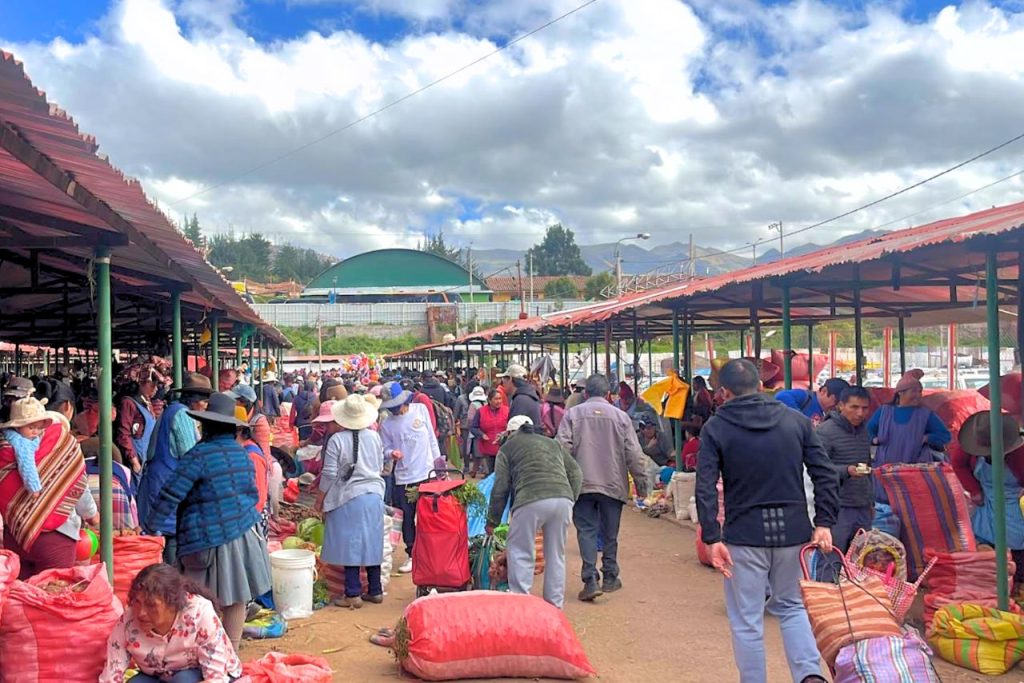
Huancaro Market sees almost no tourists at all. That absence is exactly what makes it valuable to anyone trying to understand Cusco market culture in full. Located on the edge of the city, it serves residents going about an ordinary day. Few visitors looking for souvenirs ever find their way here.
The market sits near the departure point for collectivos heading toward lesser-known archaeological sites outside the city. That proximity adds a working, practical rhythm to the experience. Stalls here sell produce, household goods, and prepared food at prices set for local budgets. For a traveler who wants to see Cusco as it actually functions, Huancaro offers an honest, unfiltered look.
Wanchaq Market
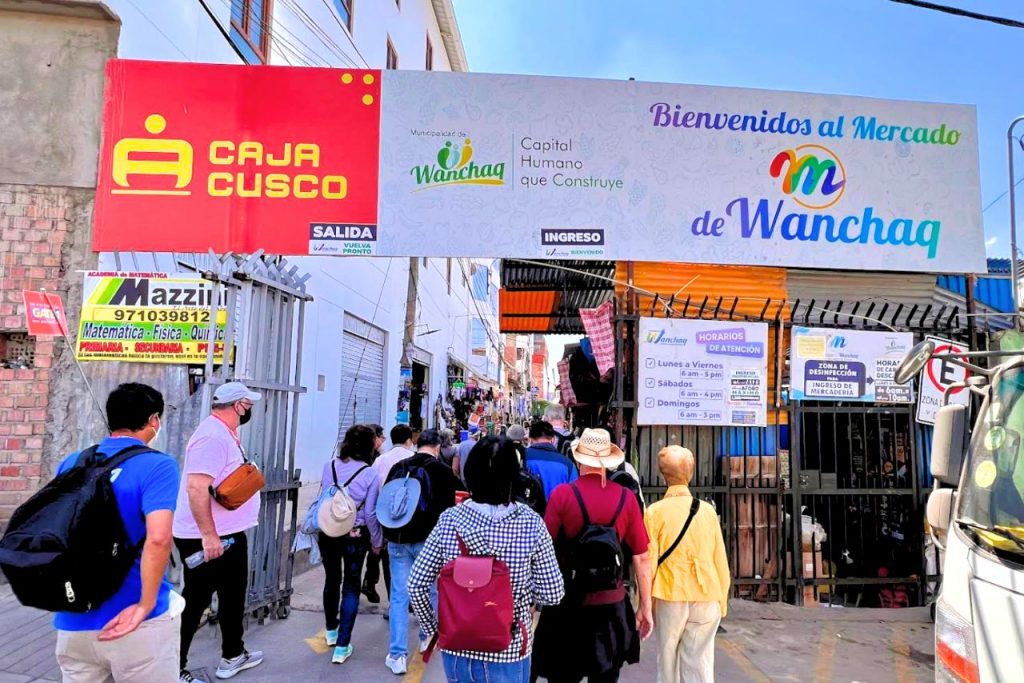
Wanchaq Market serves its own district of the city, away from the historic center and the usual tourist routes. Like Huancaro, it functions primarily as a neighborhood market rather than a destination in its own right. Residents shop here for the same staples found across Cusco. Potatoes, corn, cheese, and seasonal produce arrive daily from the surrounding valleys.
What makes Wanchaq worth a visit is precisely its ordinariness. It shows Cusco market culture at its most routine and most genuine, far from any curated tourist experience. A short visit here, paired with a stop at San Pedro or San Blas, rounds out the picture nicely. It shows just how differently Cusco eats depending on which part of the city a person calls home.
READ ALSO: Bucket List Experiences: Exciting Things to do in Cusco
Urubamba Market
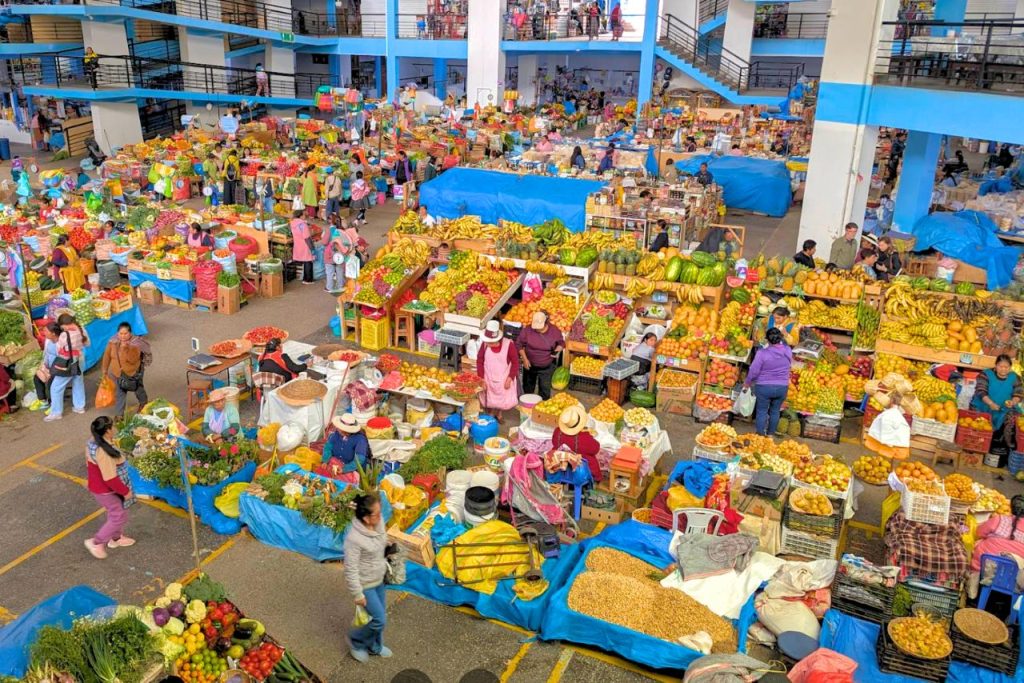
An hour or so outside Cusco lies the fertile Sacred Valley. The town of Urubamba hosts one of the region’s most important markets there. The valley itself is considered to be where the best Peruvian corn is grown. That reputation shows in the produce piled across Urubamba’s market stalls. Vendors arrive from across the valley and the surrounding mountain communities. They bring potatoes, fresh cheese, flowers, and the giant white corn the region is known for.
The atmosphere here differs from anything found inside Cusco itself. Urubamba’s market days draw farmers and herders down from smaller settlements. The town becomes a temporary hub for the entire valley on those days. Visitors who make the trip out from Cusco often leave with a clearer sense of how the two places connect. The Sacred Valley still shapes Cusco market culture today, supplying much of the produce that fills the city’s own stalls.
READ ALSO: Why Cusco Is the Most Underestimated City in the Americas
Why Markets Reveal What Restaurants Cannot
A restaurant curates its ingredients before a customer ever sees them. A market does the opposite. It puts everything on display exactly as the land produced it. Walking through Cusco’s markets means encountering potato varieties that never make it onto a printed menu. Herbs with no English translation sit beside cheeses made that same morning by a single family.
This unfiltered quality is the core of Cusco market culture. It is also why a short walk through San Pedro or Urubamba teaches so much. A visitor learns more about Andean food here than in a week of restaurant dining. Markets do not perform for an audience. They simply continue doing what they have always done.
READ ALSO: Andean Cuisine: A Gastronomic Journey through the Peruvian Mountains
How to Explore the Markets of Cusco
A few habits make any market visit more rewarding. Arriving in the morning means fresher produce and a more genuine sense of the daily rhythm. Most markets slow considerably by early afternoon, so timing matters. Carrying small bills helps, since most vendors deal in cash and rarely keep much change on hand.
Asking before photographing a vendor or their stall is simply good manners. It often opens the door to a warmer exchange than a camera ever could on its own. Most importantly, buying something, even something small, makes the visit reciprocal rather than purely observational. A piece of fruit, a wedge of cheese, or a bag of toasted corn supports the same families. They have kept Cusco market culture alive for generations.
The Market Side of Cusco
San Pedro, San Blas, Huancaro, Wanchaq, and Urubamba each show a different side of the same city. Together, they map out Cusco market culture far more completely than any single stop could on its own.
Visiting even two or three of them changes the texture of a trip. A typical sightseeing day becomes something closer to a real education in how this region eats, farms, and gathers.
Curious how Cusco’s food culture extends beyond the markets? Explore our guide to where to eat in Cusco for restaurants, cafés, and the dishes that define the city’s table.
Ready to explore Cusco’s markets with a local expert by your side? Start planning your journey and discover these stalls the way Cusco’s own families do.
Build Your Private Culinary Journey in Peru
For travelers who want these markets woven directly into a private itinerary, Enigma’s Gastronomy experiences include visits to remote markets. The local introductions that come with them are difficult to arrange on a self-guided walk alone.
Let’s build a private culinary journey through Peru, from Lima’s most thoughtful tables to the regions where the ingredients begin for you.
Frequently Asked Questions
San Pedro Market offers the widest variety and the most accessible introduction to Cusco market culture.
Both markets are generally safe during daytime hours, though visitors should keep the same awareness they would use anywhere unfamiliar.
The Urubamba market holds its largest gathering on specific market days, so checking the current schedule beforehand is worthwhile.