The Andes form a breathtaking highland spine along Peru’s western edge, home to ancient Inca pathways, cloud-kissed valleys, and iconic routes that lead to Machu Picchu.
It’s a landscape that rewards curiosity with unforgettable views… and it’s also a place where altitude, thinner air, and fast-changing weather can test even seasoned travelers.
If you’re headed to Cusco, Arequipa, Puno or high-altitude trekking regions like Huaraz, this guide will help you stay comfortable, safe, and ready to enjoy the magic.
Here’s your survival guide to managing high altitudes in the Peruvian Andes.
Quick Checklist: What to Do Before, During, and After You Arrive
Before arrival (home and flight day)
- ✅ Build in at least 1–2 easy days in Cusco/Arequipa/Puno before any big hike
- ✅ Hydrate well for 24–48 hours before landing (your body needs more fluids at altitude)
- ✅ Pack layers: warm mornings/evenings + strong sun protection (hat, sunglasses, SPF)
- ✅ If you’re prone to altitude issues, ask your doctor about prevention options (including acetazolamide)
During arrival (first 24–48 hours at altitude)
- ✅ Walk slowly. Keep your first day “light and local”
- ✅ Eat small meals (carbs tend to feel easier at altitude)
- ✅ Skip alcohol and go easy on caffeine
- ✅ Try warm herbal teas (coca or muña) and keep sipping water
- ✅ Sleep early and don’t plan a late night on Day 1
After arrival (days 2–4)
- ✅ Increase activity gradually (short walks → easy hikes → bigger treks)
- ✅ Keep checking in with your body: headache, nausea, dizziness, unusual breathlessness = slow down
- ✅ If symptoms worsen or you notice red flags, get medical help quickly
Understanding High Altitude and Why It Feels So Different

High altitude is often considered 8,000 ft / 2,400 m and above, where the air contains less available oxygen per breath. That lower oxygen pressure can trigger Acute Mountain Sickness (AMS), and its common symptoms include headache, nausea, dizziness, fatigue, and shortness of breath.
Most travelers feel mild effects at first. The goal is to support your body while it adjusts, instead of pushing through too hard too quickly.
READ MORE: The Best Hiking Trails in the Peruvian Andes
How Long Does It Take to Acclimatise in Peru?
Most people need 24–72 hours to feel noticeably better at altitude and 3–5 days for stronger acclimatisation, especially if you’ve flown straight from sea level.
A simple rule that works well in Peru:
- Day 1: Rest and gentle walking only
- Day 2: Easy sightseeing (no big hikes)
- Day 3+: Gradually add bigger activities
Planning tip: If your trip includes Machu Picchu and a high-altitude trek, start with Cusco and the Sacred Valley at a slower pace.
Coca Tea vs Muña Tea: What’s the Difference (and Which Should You Choose)?
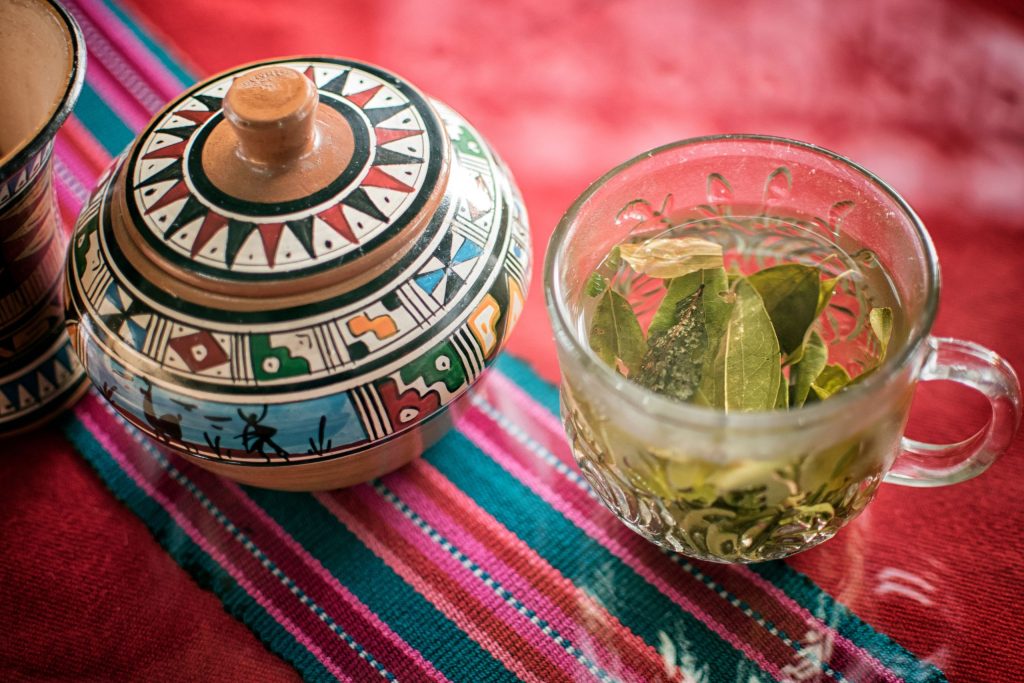
Both are popular in Peru, and many hotels offer them on arrival.
Coca tea (mate de coca)
- Often used locally to help with altitude discomfort (headache, nausea, low appetite)
- It’s widely available and legal in Peru
- Important note: coca can create issues with drug testing outside Peru, so avoid it if that’s a concern for you after your trip
Muña tea (Andean mint)
- Commonly used for digestion, bloating, and nausea
- A gentle option if you prefer to skip coca
- Many travelers find it soothing at night too
Practical approach: If altitude is your main issue, many travelers start with coca. If your stomach feels off (or you want a non-coca option), muña is a great choice.
Health Tips for Managing High Altitudes in the Peruvian Andes
A few habits make a big difference:
- Hydrate often: altitude + dry air can dehydrate you faster than you expect
- Eat small meals: carbohydrate-based foods can feel easier to digest and provide quicker energy
- Move slowly: especially on stairs, hills, and your first day in Cusco
- Skip alcohol early: alcohol can worsen dehydration and sleep quality
- Rest more than usual: sleep is one of the best acclimatisation tools you have
- Talk to a doctor before travel if you have heart/lung conditions or a history of severe altitude sickness
Medication note: Some travelers use acetazolamide (Diamox) for prevention or symptom support. A clinician can advise what’s appropriate for you.
When Should You See a Doctor for Altitude Sickness?
Mild symptoms can be normal. Worsening symptoms are not. Seek medical help urgently if you notice:
- Severe headache that doesn’t improve with rest/hydration
- Confusion, trouble walking straight, fainting, or unusual drowsiness
- Shortness of breath at rest, chest tightness, persistent cough, or pink/frothy sputum
- Blue lips/fingertips or rapidly worsening weakness
If symptoms are escalating, the safest move is usually to stop ascending and descend to a lower elevation while getting medical support.
“Friaje” and Weather Questions: What Travelers Should Know
You might hear the term friaje in Peru, this usually refers to sudden cold surges, most commonly discussed in the Amazon and some lowland areas, but cold snaps can affect travel plans across regions too.
In the Andes, the bigger surprise for many travelers is this:
a sunny midday can turn into a cold evening fast, and weather can shift quickly, especially in shoulder seasons.
Best practice:
- Pack for “four seasons in a day” (layers matter)
- Check forecasts the week of travel
Preparing for High Altitude Trekking in the Peruvian Andes
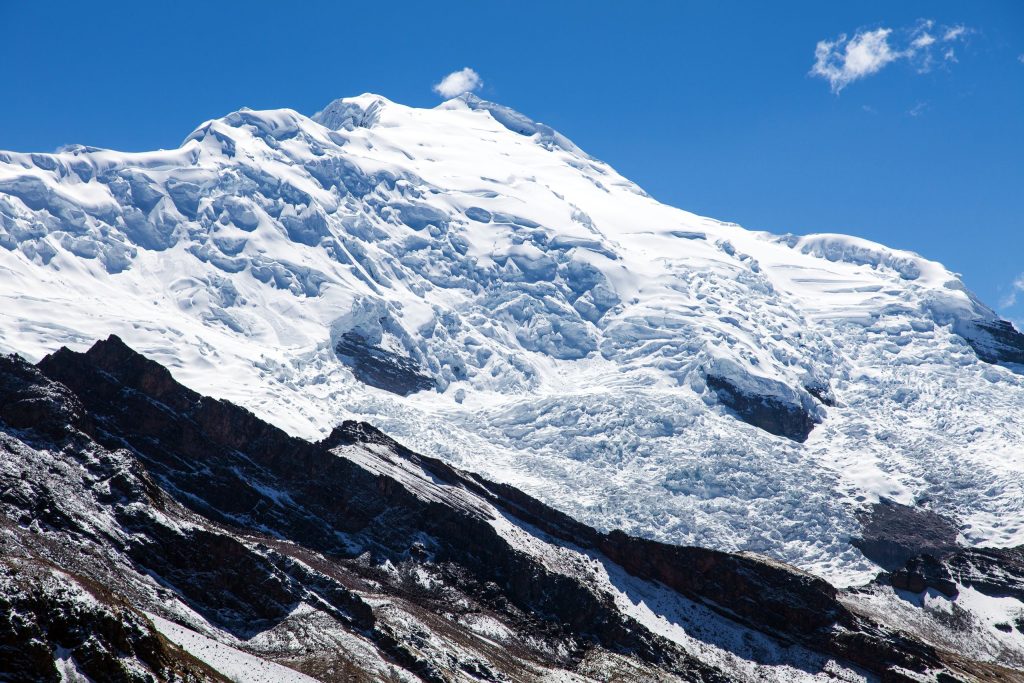
When trekking at high altitude, preparation is essential. This includes physical readiness, mental readiness, and planning for logistics. Start your physical training months in advance of your trek. This may include cardiovascular exercises such as running, cycling, and swimming, as well as strength training, with an emphasis on the leg muscles.
Physical readiness is equally as important as mental readiness. Being mentally prepared can help you overcome the difficulties associated with trekking at high altitude. In addition, logistical planning requires research on the trek, knowledge of the route and the weather, and packing accordingly.
Training (start weeks/months ahead):
- Cardio (walking hills, cycling, swimming, jogging)
- Leg strength (squats, lunges, step-ups)
- Core stability (helps on uneven terrain)
Logistics:
- Know your route, elevation profile, and daily distances
- Start early each day (weather is often calmer in the morning)
- Plan rest breaks and slow your pace more than you think you need
READ ALSO: How to Prepare for a Trek in the Andes
Essential Gear for High-Altitude Comfort and Safety
- Broken-in hiking boots (not brand new)
- Warm layers (base layer, fleece and jacket)
- Rain protection (shell jacket/poncho)
- Sun protection (SPF, hat, sunglasses)
- Reusable water bottle or hydration pack
- Electrolytes (useful if you’re sweating or hiking)
- High-energy snacks
- Sleeping bag rated for cold conditions (for camping treks)
- Small first-aid kit and any personal medications
- Headlamp (early starts happen often in Peru)
Dos and Don’ts at High Altitudes in Peru
Do
- Go slowly for the first 48 hours
- Hydrate and rest more than usual
- Eat small meals and keep your energy steady
- Tell your guide right away if you feel symptoms
Don’t
- Push through worsening headaches, nausea, or breathlessness
- Race upstairs or do a tough workout on Day 1
- Drink heavily your first night at altitude
- Ignore red-flag symptoms
Safety note for remote areas: Staying on marked trails, sharing your plan, and trekking with experienced guides adds a real layer of safety, especially in changing weather.
Closing Thoughts
The Andes can feel powerful in every sense: dramatic landscapes, crisp air, and that quiet sense of achievement that settles in after a high trail day. A smoother altitude experience usually comes down to pacing, hydration, rest, and knowing when to slow down.
Want help building an itinerary that balances altitude, comfort, and unforgettable scenery? Start with these internal links:
Ready to plan your custom journey? Email journeys@enigmaperu.com and we’ll design a route that fits your pace and your travel style.
FAQs: High Altitude in Peru (Cusco, Machu Picchu, Huaraz)
Cusco is about 3,399 m / 11,152 ft, so many travelers feel something, usually mild breathlessness, fatigue, or a light headache, especially on Day 1.
Machu Picchu is lower than Cusco (about 2,430 m / 7,970 ft). Many people feel better there, but the hikes (like Huayna Picchu or Machu Picchu Mountain) can still feel intense.
Headache, nausea, dizziness, fatigue, poor sleep, low appetite, and feeling unusually out of breath when walking.
Go slow for the first 24–48 hours, hydrate, eat small carb-friendly meals, skip alcohol, rest, and avoid a hard hike on Day 1.
A lot of travelers find coca tea soothing for mild symptoms like headache or nausea. It’s common and legal in Peru, but it can be an issue for drug testing later, so be mindful.
Muña is great if your stomach feels off (nausea, bloating). Coca is the more “classic” altitude tea. Many travelers use both, depending on how they feel.
Alcohol, heavy meals, sprinting up stairs, intense workouts, and a full-day hike straight after landing.
Some travelers do, especially if they’ve had altitude issues before. It’s best to ask your doctor ahead of time so you know if it’s right for you and how to take it.
If symptoms get worse instead of better, especially severe headache, confusion, trouble walking straight, shortness of breath at rest, chest pain, or a persistent cough. Those are red flags.
Stop going higher, rest, hydrate, keep warm, and descend if symptoms are worsening. Many people feel relief even after dropping to a lower elevation.
Friaje is a sudden cold snap (often discussed in the Amazon/lowlands), but across Peru you can still get quick weather changes, especially cold mornings and evenings in the Andes.
Layers (base + warm mid-layer + shell), a hat, gloves, warm socks, and strong sun protection. Andes weather can swing from sunny to cold fast.
Article Updated: December 11, 2025