Peru doesn’t “have a festival season”, it has a festival lifestyle. Between Catholic celebrations, Andean ceremonies, Amazon traditions, and big national holidays, there’s almost always something happening somewhere in the country.
If you’re planning a trip, the smartest move is to know which dates shape travel logistics: when cities fill up, when roads close, when hotel prices jump, and when you can step into an unforgettable local moment instead of watching it from the sidelines.
Key Takeaways: Traditions, Holidays & Festivals in Peru (Annual calendar)
- Peru’s celebrations blend Catholic traditions with Andean and Amazon roots, so festivals feel deeply local, not “tourist shows.”
- The biggest travel-impact dates include Carnival (Feb–Mar), Holy Week (Mar–Apr), Inti Raymi (June 24), Fiestas Patrias (July 28–29), Señor de los Milagros (October), and Christmas/New Year (late Dec).
- June is the festival powerhouse, especially in Cusco, book early and plan around crowds and closures.
- Qoyllur Rit’i is a major pilgrimage with dates tied to Easter, and it requires respectful planning and guidance.
- October in Lima (“purple month”) is shaped by Señor de los Milagros processions, expect route changes and busy streets.
- Christmas in Peru centers on Dec 24 (Noche Buena) and family traditions; New Year is lively with popular local customs.
- Festival travel needs smart logistics: book early, allow flexibility, pack for long days outside, and follow cultural etiquette around ceremonies and photography.
What are the most important holidays and festivals in Peru?

Peru’s biggest celebrations include Carnival (Feb–Mar), Semana Santa/Holy Week (Mar–Apr), Inti Raymi (June 24), Fiestas Patrias/Independence Days (July 28–29), Señor de los Milagros (October), and Christmas + New Year (late December).
They matter because they affect:
- Availability (flights, guides, train tickets, premium hotels)
- Crowds & closures (procession routes, plazas, markets)
- Atmosphere (some cities feel electric; others slow down completely)
When is the best time to visit Peru for festivals?
The best festival windows are February (Carnival), March/April (Holy Week), June (Cusco festival month + Inti Raymi), July (Independence celebrations), and October (Lima’s “purple month”).
If you want festivals without the biggest crowds, aim for:
- Early June (before Inti Raymi day, but with Cusco build-up energy)
- Late April / early May (good shoulder-season travel and local traditions depending on region)
What should travelers know before planning around Peru’s big celebrations?
If you’re traveling during a major holiday, plan as if it’s peak season, because it often is.
Key tips:
- Book early for Cusco in June and Peru nationwide in late December.
- Expect route changes during processions and parades.
- Build in flexibility: festivals run on “local time,” not spreadsheet time.
- Dress respectfully in religious spaces and during pilgrimages (more on that below).
Peru’s Annual Festival Calendar (Month by Month)
What happens in Peru in January?
January is a “reset month” after the holidays, but it’s lively in coastal cities and great for summer energy.
What travelers will notice:
- The beach season is in full swing on the coast.
- Cultural events depending on region (especially local patron-saint days)
What happens in Peru in February?
February is all about Carnival, with water fights, dance, music, and regional traditions that look different in every city.
Where Carnival is most iconic:
- Cajamarca (often called the country’s biggest Carnival hub)
- Cusco, Puno, Arequipa (each has its own flavor)
Travel note: if you’re in historic centers, expect playful chaos, and yes, water and powder can be part of the experience.
What happens in Peru in March?
March often contains the tail end of Carnival energy and leads into Lent-season traditions (dates shift yearly based on Easter).
Good for:
- Culture-focused travel with fewer international crowds (outside festival weekends)
- Food and market exploration in Lima and regional cities
What happens in Peru in April?
April is one of the most meaningful cultural months because it often includes Semana Santa (Holy Week) and Easter traditions across the country.
These reads will tell you more about Easter celebrations in Peru:
What to expect: processions, special foods, and strong local participation, especially in traditionally Catholic regions.
What happens in Peru in May?
May is a powerful month in the Andes because it often hosts major religious-Andean events tied to the Easter calendar.
What is Qoyllur Rit’i and when does it happen?
Qoyllur Rit’i is one of Peru’s most important pilgrimages, blending Catholic faith and Andean spiritual tradition. It begins 58 days after Easter Sunday, so the exact date changes each year.
READ ALSO: Everything You Need to Know About Qoyllur Rit’i
What happens in Peru in June?
June is Peru’s festival powerhouse month, especially in Cusco.
What is Inti Raymi and when is it celebrated?
Inti Raymi is Cusco’s most famous festival, a large-scale celebration honoring the Inca Sun god and it takes place every year on June 24.
These reads will give you more insights about Inti Raymi:
What is the Festival of San Juan and why does it matter?
The Festival of San Juan (June 24) is one of the Amazon’s most important days, celebrated in jungle cities with processions, riverside gatherings, food, and music.
READ ALSO: Why the Festival of St. Juan is the Most Important Day in the Peruvian Jungle
Important detail: June 24 is a huge date in Peru, Inti Raymi in Cusco and San Juan in the Amazon happen on the same day, so your itinerary should choose the vibe you want.
What happens in Peru in July?
July is national pride season.
What are Fiestas Patrias and when are they?
Fiestas Patrias is Peru’s Independence celebration, officially observed on July 28, with July 29 also a public holiday honoring the Armed Forces and National Police.
What travelers will feel:
- Peru flags everywhere
- Domestic travel spikes
- Special menus, events, and nightlife in major cities
What happens in Peru in August?
August is deeply tied to Pachamama (Mother Earth) in the Andean worldview.
What is Pachamama month in Peru?
In many Andean communities, August is associated with ceremonies and offerings to Pachamama, often described as “payments” or reciprocity rituals.
READ ALSO: Ayni: Ceremony to the Pachamama
Travel note: these are not performances, they’re spiritual moments. If you’re invited to witness one, your guide should set expectations clearly.
What happens in Peru in September?
September tends to be calmer culturally (depending on region), making it a great month for:
- Food-focused travel (markets, cooking experiences)
- Amazon and Andes journeys with a steadier pace
What happens in Peru in October?
October in Lima is famous for one thing: purple month.
What is Señor de los Milagros?
Señor de los Milagros (Lord of Miracles) is a major religious devotion in Lima, with large processions taking place throughout October.
It’s also the reason you’ll see:
- Purple clothing everywhere
- Special foods (this season is closely tied to traditional treats)
What happens in Peru in November?
November brings a blend of:
- Spring weather energy in the south
- Religious traditions such as All Saints / Day of the Dead-related customs (observed around Nov 1–2)
Is Halloween celebrated in Peru?
Yes, Halloween is increasingly celebrated (especially in cities), but in Peru it overlaps with other cultural observances around the same date, so it has its own local feel.
READ ALSO: Happy Halloween – the Peruvian Way!
What happens in Peru in December?
December is a big one, emotionally, culturally, and logistically.
How is Christmas celebrated in Peru?
Christmas celebrations center on La Noche Buena (Dec 24), often including late-night mass and a midnight family meal, with traditions like panetón and hot chocolate being common.
READ ALSO: Christmas in Peru: Traditions, Flavours and Festive Moments to Know
How do Peruvians celebrate New Year?
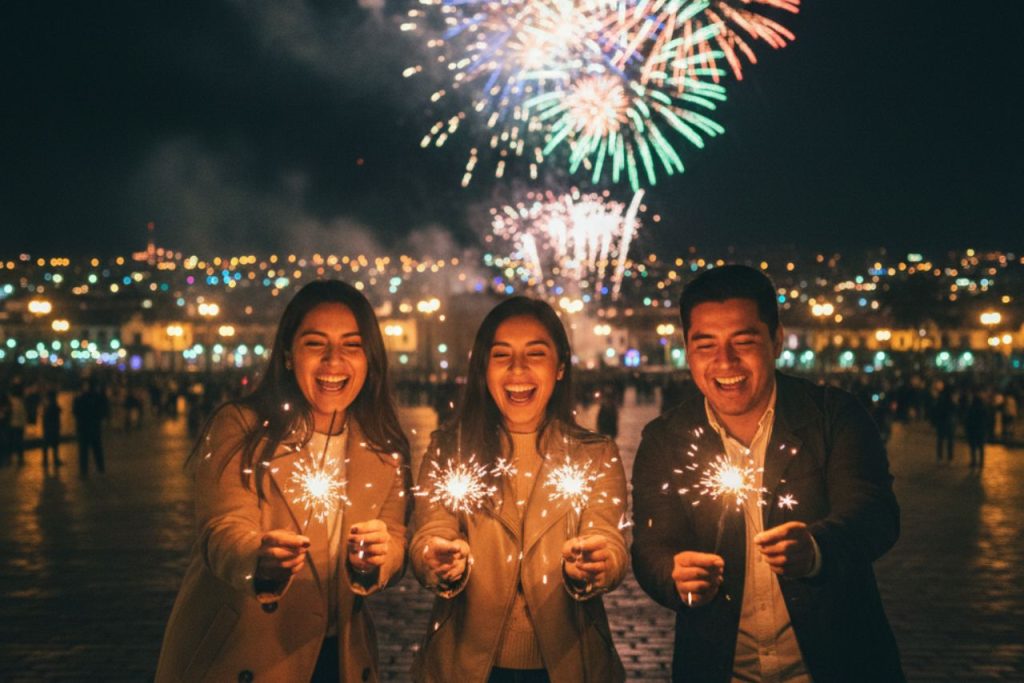
New Year’s is widely celebrated with fireworks, parties, and many well-known “good luck” traditions (like suitcase runs and lucky colors).
READ ALSO: Celebrating New Year’s in Peru – The Unique Superstitions & Traditions!
Other Major Peru Festivals Travelers Ask About
What is the Virgin of Candelaria festival in Puno?
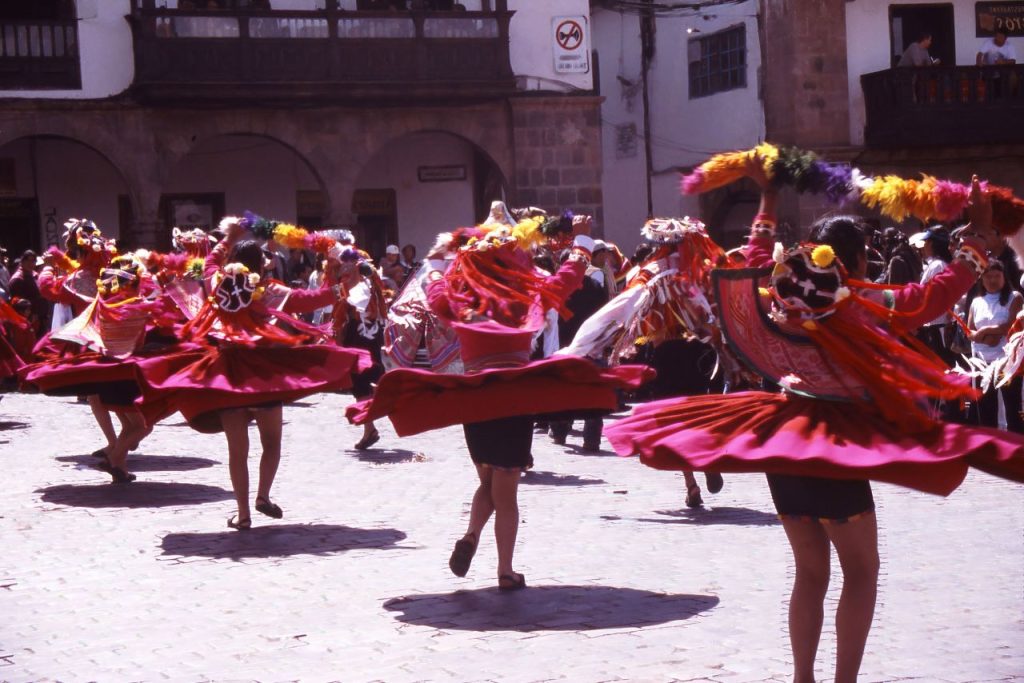
The Festivity of Virgen de la Candelaria is celebrated each February in Puno and is one of Peru’s biggest dance-and-devotion events, blending Catholic tradition and Andean worldview.
This one is ideal for travelers who want:
- Massive dance competitions
- Traditional costumes and music
- A high-energy cultural atmosphere
How to Experience Peru’s Festivals Respectfully
What’s the etiquette for festivals and religious processions in Peru?
Be present, but don’t take over the space.
Simple rules that go a long way:
- Dress modestly for masses, pilgrimages, and processions.
- Ask before photographing people up close (especially children and elders).
- Don’t block routes or step into ceremonial areas “for the shot.”
- If locals are quiet and prayerful, mirror that mood.
What should you pack for festival travel in Peru?
Pack for crowds, weather shifts, and long hours outside.
Most useful items:
- Comfortable shoes (cobblestones ad standing time)
- A light layer for evenings (Cusco and Puno, especially).
- Sun protection (high-altitude sun is intense)
- A small day bag that zips securely
How far in advance should you book festival dates?
For major dates (Cusco in June; national holidays; late December), book early, especially if you want Peru’s top hotels, guides, and the smoothest logistics.
Want to plan your trip around the best cultural dates?
Ready to build a Peru itinerary that matches the exact atmosphere you want (festivals included)? Start planning.