
Peru has a crowding problem in perhaps six places. Everywhere else, the country is close to empty.
That gap is the whole opportunity. The busiest sites are busy for good reason, but each has a quieter equivalent within an hour or two. Some of those alternatives are better, not merely emptier.
Crowding is also easier to design around than most travelers assume. It is a function of season, hour and sleeping arrangement, and all three are within your control.
This is how we would build a trip for someone who wants Peru without crowds. The logic is simple. Change when you go, change where you sleep, and swap two or three famous names for their quieter cousins.
At a Glance: The Private Peru Itinerary
- Seeing Peru without crowds starts with timing, not with obscure destinations.
- March, April and November deliver good conditions with far fewer travelers.
- Sleeping in the Sacred Valley beats Cusco for both quiet and altitude.
- Palccoyo offers the same colored ridges as Vinicunca with a fraction of the traffic.
- Overnight stays at Ollantaytambo and on Titicaca empty out once the day boats leave.
- Choquequirao requires no advance permit, unlike the Inca Trail.
Start with when, not where
Most crowding in Peru is seasonal rather than structural. The dry season from May to September is the most popular window, and it is genuinely the driest.
March and April offer excellent conditions with far fewer trekkers, green landscapes and good weather. November behaves similarly at the other end of the year. You trade a small amount of weather certainty for a large amount of space.
February is the one month to treat carefully, since the Inca Trail closes then for maintenance. The rest of the shoulder season is simply quieter, not compromised.
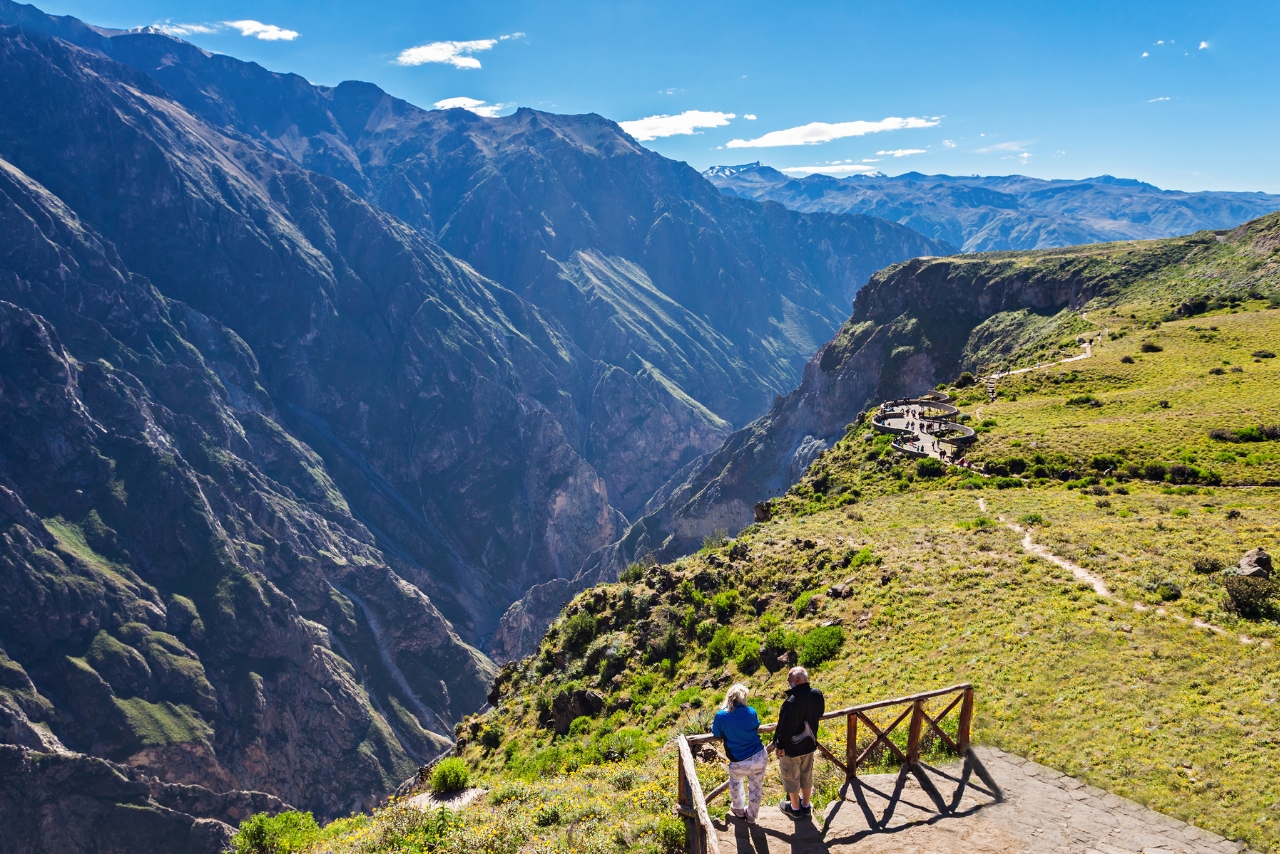
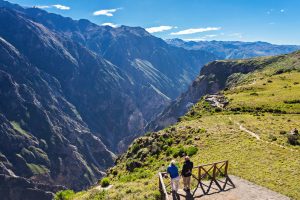
Time of day is just as important. The Cruz del Condor lookout in the Colca Canyon is at its best before the light warms. Arriving at first light is not a sacrifice, because the silence and the wind are the experience.
READ ALSO: Inca Trail vs Salkantay vs Choquequirao
Sleep in the Sacred Valley, not in Cusco

Cusco is beautiful and it is busy. The Sacred Valley sits lower, which helps with acclimatization, and it empties every evening.
The valley holds Maras, Moray, Pisac, Chinchero and Ollantaytambo, plus considerable open country between them. At Maras, thousands of salt pools step down the mountainside in white terraces. Moray holds circular terraces carved into the earth, thought to have been an Inca center for agricultural experimentation.
Ollantaytambo deserves the overnight. Most travelers pass through it on the way to the train. Those who stay get to see the fortress at golden hour. The old Inca street grid is theirs once the coaches have gone.
READ ALSO: Ollantaytambo: What to Do and See in Peru’s Living Inca Town
Swap the famous mountain for the quiet one

Vinicunca, the Rainbow Mountain, became a phenomenon within a few years. Its colors are real and its crowds now match its fame.
Palccoyo is the alternative. Three mountains there show the same range of reds, greens, yellows and purples, produced by iron oxides and clays. The viewpoint is reached in roughly forty-five minutes and asks very little physically.
The wider Ausangate massif rewards anyone with more time. Ausangate is Peru’s fifth highest mountain at 6,384 meters. It is revered as an apu in the Cusco worldview. Turquoise lakes sit beneath it, mirroring the sky.
READ ALSO: How to Plan a Luxury Trip to Peru That Feels Truly Personal
Trade the permit trail for the open one

The Inca Trail is the only route that arrives at Machu Picchu through the original Inca entrance. If that specific approach matters, nothing substitutes for it. It is also permitted, capped and booked many months ahead.
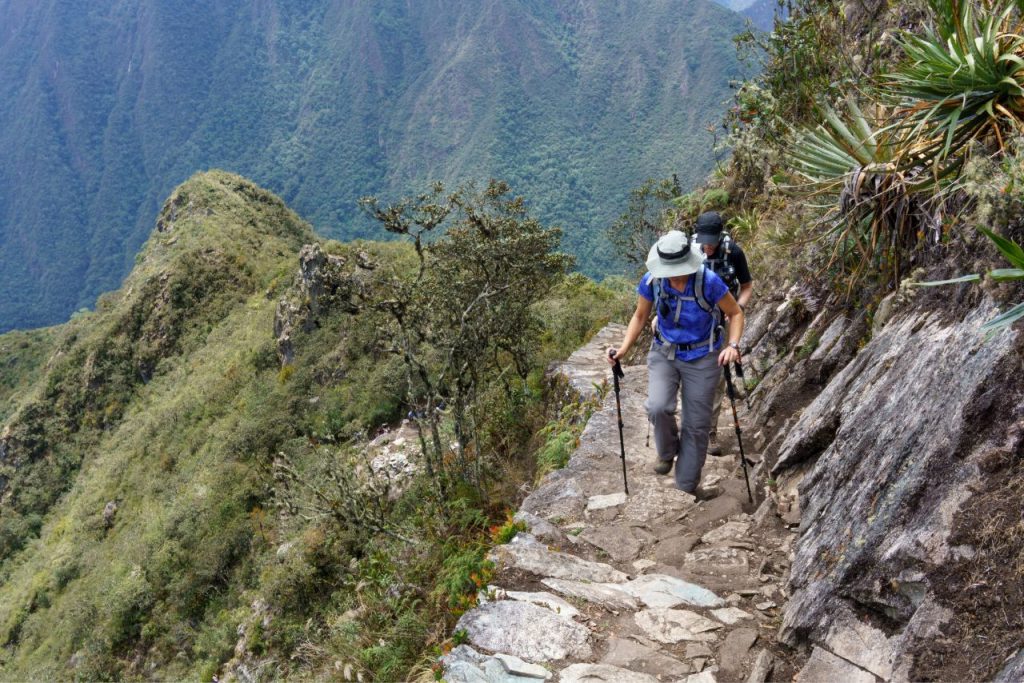
Choquequirao requires no advance permit, so departures can be organized at shorter notice. The route runs from Cachora down into the Apurimac canyon and steeply up the far side. Most round trips take four to five days.
Choquequirao also asks something of you, and that filter is why it stays empty. Two days of walking removes most of the traffic before you arrive.
Lares is the gentler option. Its routes leave the Sacred Valley for glacier lagoons, cloud forest and Quechua weaving communities. You meet people rather than queues.
Sleep where the day-trippers cannot

This single habit does more for solitude than any route choice.
Lake Titicaca is the obvious case. The lake is the highest navigable water in the world at 3,812 meters. Most visitors see it in one rushed morning. Staying overnight on Amantani or Taquile changes everything, with family homes, shared meals and trails walked at dusk.
The same applies inland. At Sillustani, the chullpas rise above Lake Umayo, burial towers of fitted stone up to twelve meters tall. The site museum holds objects from the Colla, Tiahuanaco and Inca cultures. Late afternoon there is nearly private.
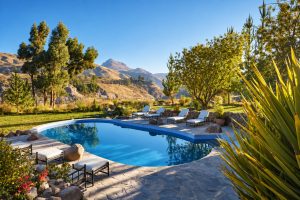
Where you sleep in the Sacred Valley matters just as much. A private residence is quieter than any hotel, however good it may be. Enigma Homes is a curated selection of private houses in the Sacred Valley and on the Northern Beaches. Service is adapted to the household, from simple housekeeping and breakfast through to a resident chef and concierge. Mornings are yours alone, which is the entire point.
READ ALSO: 5 Under the Radar Places to Check Out in Peru
The one site worth the crowd
Machu Picchu is the exception, and it belongs in the itinerary. The question is entry time rather than avoidance.
A first-entry slot delivers the citadel before the day trains arrive. Sleeping in Ollantaytambo or Aguas Calientes the night before makes that slot reachable without a punishing start.
Seeing Peru without crowds does not mean skipping the famous things. It means arriving at them at the right hour, on the right day, and in the right month.
The Twelve-day Itinerary
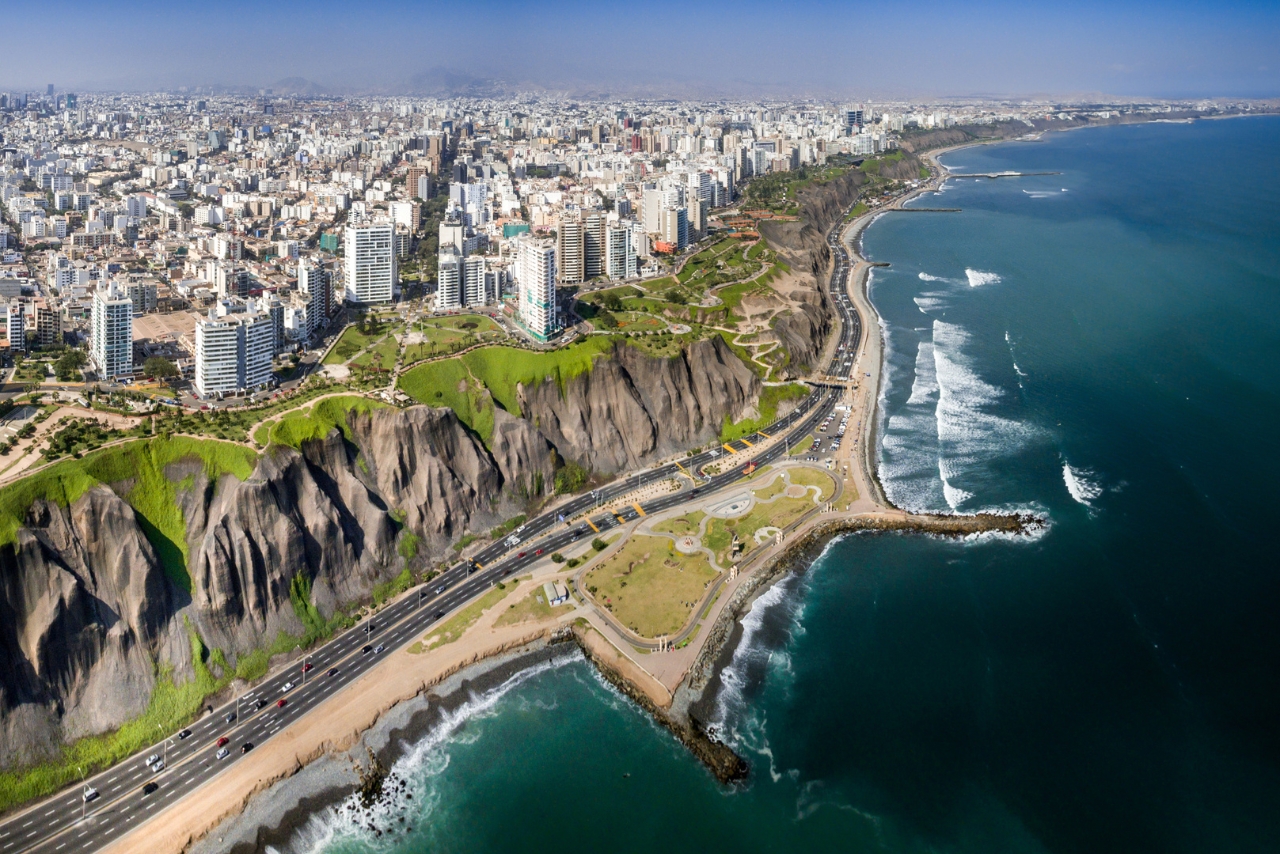
Days one and two in Lima, with time in Barranco and along the coast rather than following the standard circuit.
Days three to six in the Sacred Valley. Acclimatize gently, then visit Maras and Moray early, with an evening in Ollantaytambo. Machu Picchu falls on day six, with a first-entry slot.
Days seven and eight take you to Puno, with an overnight stay on Taquile rather than a morning boat trip.
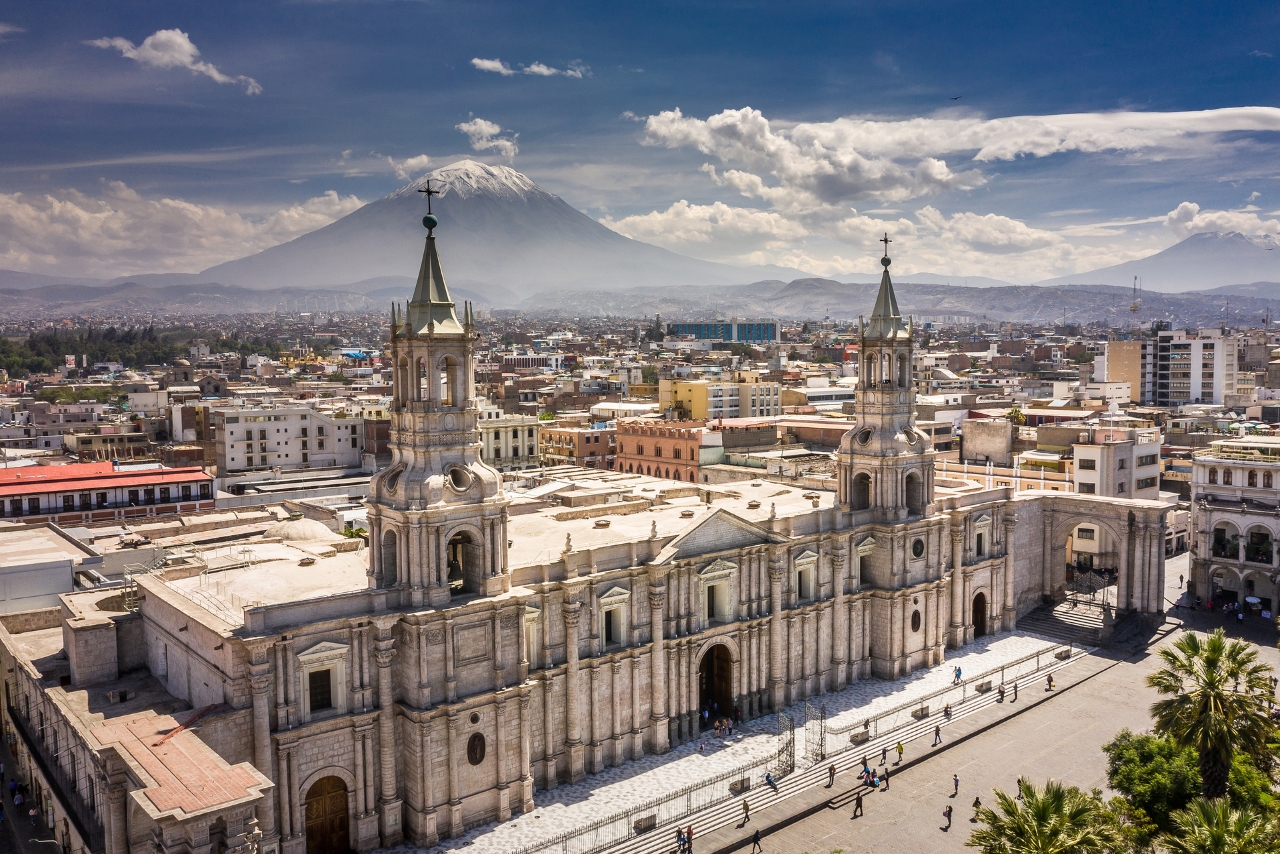
Days nine and ten continue to Arequipa and Colca, with condors at first light followed by hot springs.
Days eleven and twelve finish at lower altitude in the Amazon at Tambopata. Ending the journey at altitude is one of the most common planning mistakes, but it is easy to avoid.
What quiet actually costs
Very little, and mostly in convenience. A trip planned for Peru without crowds asks for flexibility rather than sacrifice. Shoulder season brings occasional rain. Overnight stays in communities mean simpler rooms than a valley hotel.
The trade is worth naming honestly. You give up a degree of polish and you gain the site to yourself. Guests who make that trade rarely regret it. The photographs are better too, which is a small and reliable bonus.
There is a second benefit that goes unmentioned. Spreading visitors across regions and seasons is how these places stay intact. Community stays also put income directly into the households that host you.
READ ALSO: What to Pack for Peru: A Luxury Traveler’s Guide
Frequently Asked Questions
Is it possible to see Machu Picchu without crowds?
Yes, with a first-entry slot and an overnight stay nearby rather than a same-day train.
When is the quietest time to visit Peru?
March, April and November combine workable weather with noticeably fewer travelers.
Is Palccoyo really as good as Vinicunca?
The colors are comparable, the walk is far shorter, and the crowds are a fraction.
Does Choquequirao need a permit?
No, which is why departures can be arranged at much shorter notice than the Inca Trail.
Is the rainy season a mistake?
Not entirely, though February is best avoided since the Inca Trail closes for maintenance.
Can a quiet itinerary still be comfortable?
Yes, in almost every case, with two or three nights of deliberate simplicity along the way.
Build Your Private Journey With Enigma
Quiet in Peru is a planning decision rather than a lucky one. Enigma has designed private, tailor-made journeys across the country since 2002. Access and timing are what keep them from being uncrowded. Tell us what you want to avoid, and we will build around it.
Let us design a private Peru journey in which every transfer, stay and experience belongs to the story of the trip.