
Peru is one of the easiest long-haul destinations an American traveler can choose. The clock barely moves, the paperwork is minimal, and several U.S. cities fly nonstop into Lima.
That ease is also where the trouble starts. A trip that feels simple to book often gets planned too fast and too late. The result is a beautiful country compressed into five days, with two of them spent recovering from altitude.
Planning a trip to Peru from the US is not difficult. It is simply front-loaded, and the decisions that matter most come earliest.
What follows is what we would change. None of it is difficult, and most of it costs nothing. It simply needs deciding earlier than feels natural.
The flight is easier than you think
Peru sits in the same time band as the U.S. East Coast, so jet lag is close to nonexistent. That single fact changes how you should spend your first day.
Overnight departures from the eastern United States land in Lima in the early morning. Travelers arrive tired rather than displaced, which is a very different thing. A short sleep and a late lunch usually restores most people. Evening arrivals are the exception, and they are worth avoiding where the schedule allows.
The mistake is treating arrival day as a write-off. Plan a gentle first afternoon instead, at sea level, before any mountain is involved.
READ ALSO: 10 Things to Know Before Traveling to Peru
Entry is simple, and the details still matter
Citizens of the United States, Canada, the United Kingdom and Australia do not need a Peruvian tourist visa. A business visa is required only for entering into contracts or agreements.
The passport requirement is firmer than people expect. It must carry a minimum validity of six months from the date of entry. The maximum stay granted is ninety days, and it cannot be extended. Renewal is not available from inside the country, so the date matters.
One health note applies to anyone, including the rainforest. There are no mandatory vaccines for entry into Peru. For the Amazon region, the Ministry of Health recommends yellow fever vaccination. It must be given at least ten days before travel to be effective.
The seasons run opposite to yours
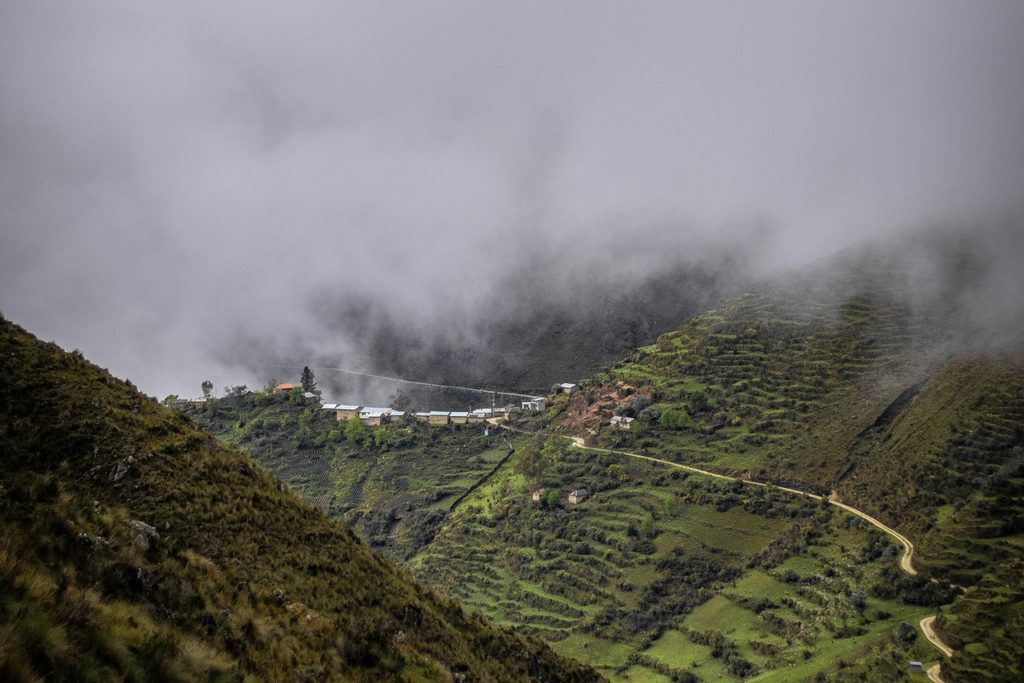
This is the single most common planning error made in North America. Peru sits in the southern hemisphere, so its calendar is inverted.
In the Andes there are two seasons. The dry months run from April to October, with sunny days, cold nights and little rain. From November to March the rains are abundant.
The Amazon follows a similar pattern. Its low-rainfall season also runs April to October, which is the easier window for river travel and wildlife. Humidity stays high throughout the year regardless.
American school calendars push most families into June, July and August. Those months are dry and they are also the busiest. March, September and November offer better value and considerably more space.
READ ALSO: Peru in September: A Guide to Weather, Treks and Experiences
Book earlier than feels necessary
Peru is not a destination you can assemble three weeks out. Several of its best components are capped, permitted or simply small.
Machu Picchu tickets are sold through the official Ministry of Culture platform and must be purchased in advance. The site does not operate a walk-up system. Entry is organized around circuits, each covering a different route through the citadel.
Circuit 2 is the most comprehensive option and the most popular, which means it sells first. Mountain add-ons are separate and limited. Prices change periodically, so verify at the time of booking.
Internal flights deserve the same urgency. Peru’s regions are linked by air rather than by road, and almost everything connects through Lima. Morning departures are the most reliable, and travelers take the best ones early in the season.
The Inca Trail is stricter still. Permits are capped and taken many months ahead, and the route closes each February for maintenance. If a specific departure matters to you, six to nine months is the realistic lead time.
Stop treating Lima as a layover
Most travelers land in Lima and head straight for Cusco within a day. That habit costs them one of the best food cities in the world.
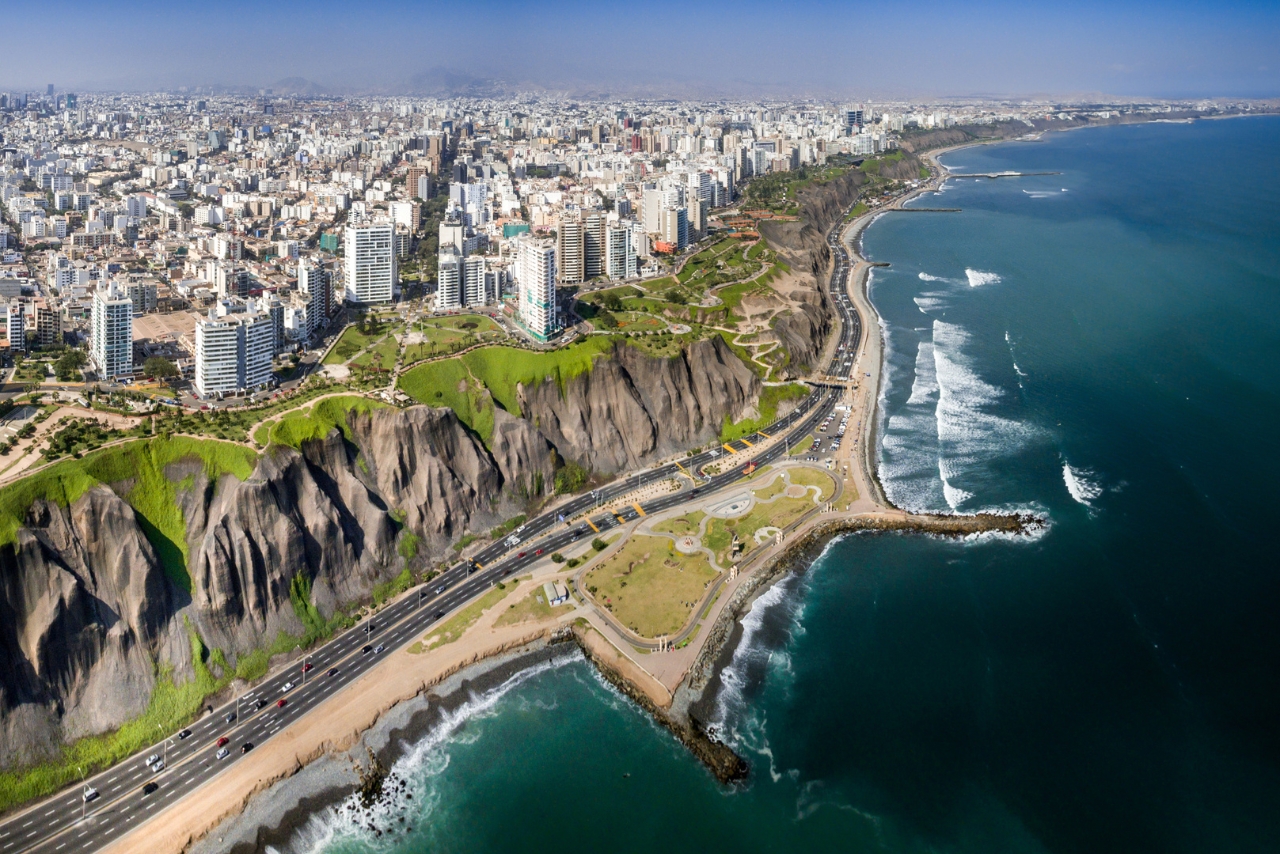
Lima is the strongest all-round eating city in Peru. Its kitchens blend Andean and coastal traditions with Spanish, African, Chinese and Japanese influence. Barranco and Miraflores sit directly above the Pacific, and the cliff path is worth a morning on its own.
Barranco suits travelers who want galleries, bars and a quieter street pattern. Miraflores suits those who want the cliff path and easy transfers. Either works, and the difference is temperament rather than quality.
Two nights is the right number. It also solves a practical problem, because those nights at sea level make the climb to Cusco far gentler.
READ ALSO: How to Plan a Luxury Trip to Peru That Feels Truly Personal
Put altitude at the front
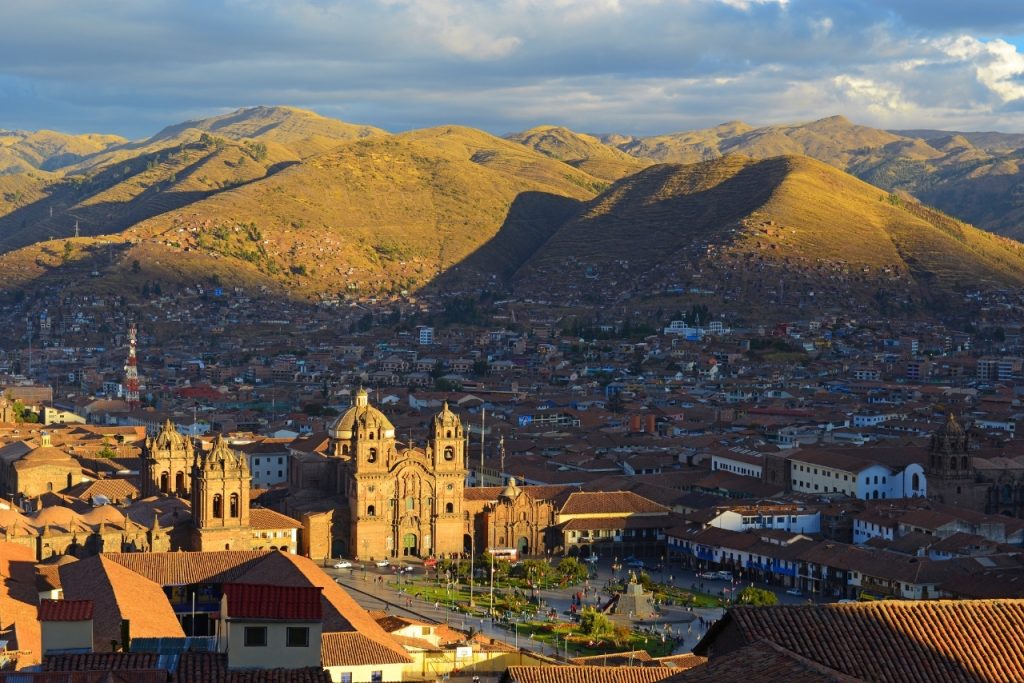
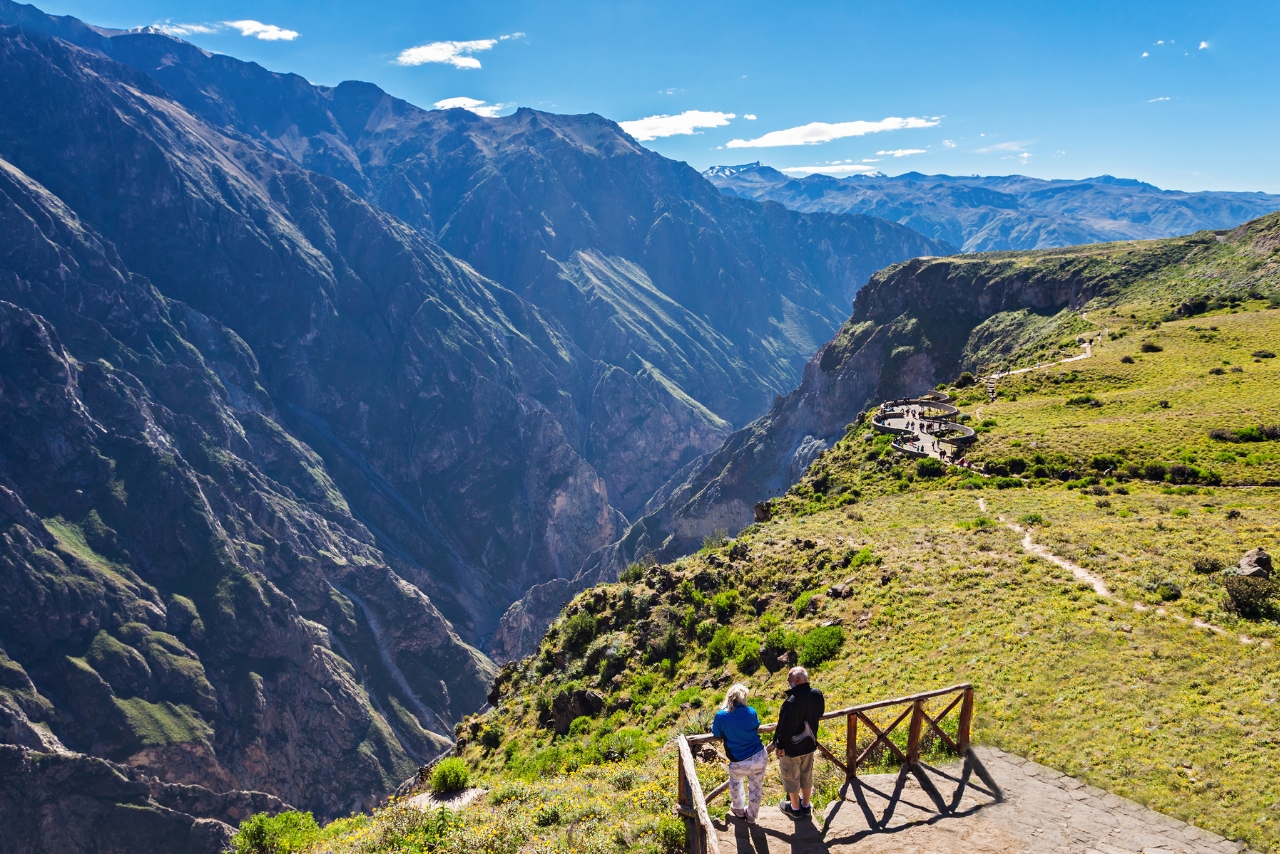
Cusco sits high, and so do Puno and the Colca Valley. Arriving straight at the highest point of a trip is how people lose two days.
The better sequence climbs gradually. Lima comes first at sea level, then the Sacred Valley rather than Cusco itself. The valley sits lower and empties in the evening. Cusco comes afterward, once the body has adjusted.
The Amazon belongs at the end. Closing at river level is far kinder than finishing at four thousand meters. It also makes the flight home easier.
READ ALSO: Beating the Altitude of the Andes with Coca and Muña
Final Thoughts
Most of what goes wrong here is fixable in an afternoon of decisions. Give the trip ten days at minimum rather than seven. Land in Lima and stay two nights. Sleep in the Sacred Valley before Cusco.
Book Machu Picchu entry and internal flights before anything else. That single reordering solves most of what goes wrong when planning a trip to Peru from the US. Choose March, September or November over July. Peak-season pricing in Cusco is meaningfully higher for the same rooms. Then add one region beyond the Cusco circuit, because the flight is long enough to deserve it.
READ ALSO: Sacred Valley Travel Guide: Why Travelers Are Choosing Longer Stays
Frequently Asked Questions
Do US citizens need a visa for Peru?
No, though your passport must be valid for at least six months from the date of entry.
How long can Americans stay in Peru?
The maximum stay granted is ninety days, and Peruvian authorities do not extend it.
Is there a time difference from the United States?
Peru sits in the same time band as the US East Coast, so jet lag is minimal.
When should I book Machu Picchu?
As early as your dates are fixed, since entry is advance-only and the best circuits sell first.
Do I need vaccinations for Peru?
None are mandatory, though yellow fever vaccination is recommended for the Amazon region.
Is the rainy season worth avoiding?
Not entirely, since March and November offer good conditions with far fewer travelers.
Build Your Private Journey With Enigma
Distance is not the hard part of Peru. Sequence is. Enigma has designed private, tailor-made journeys across the country since 2002. Permits, entry slots and internal flights are handled well ahead of time. Tell us your dates and we will build backward from them.
Let us design a private Peru journey in which every transfer, stay and experience belongs to the story of the trip.