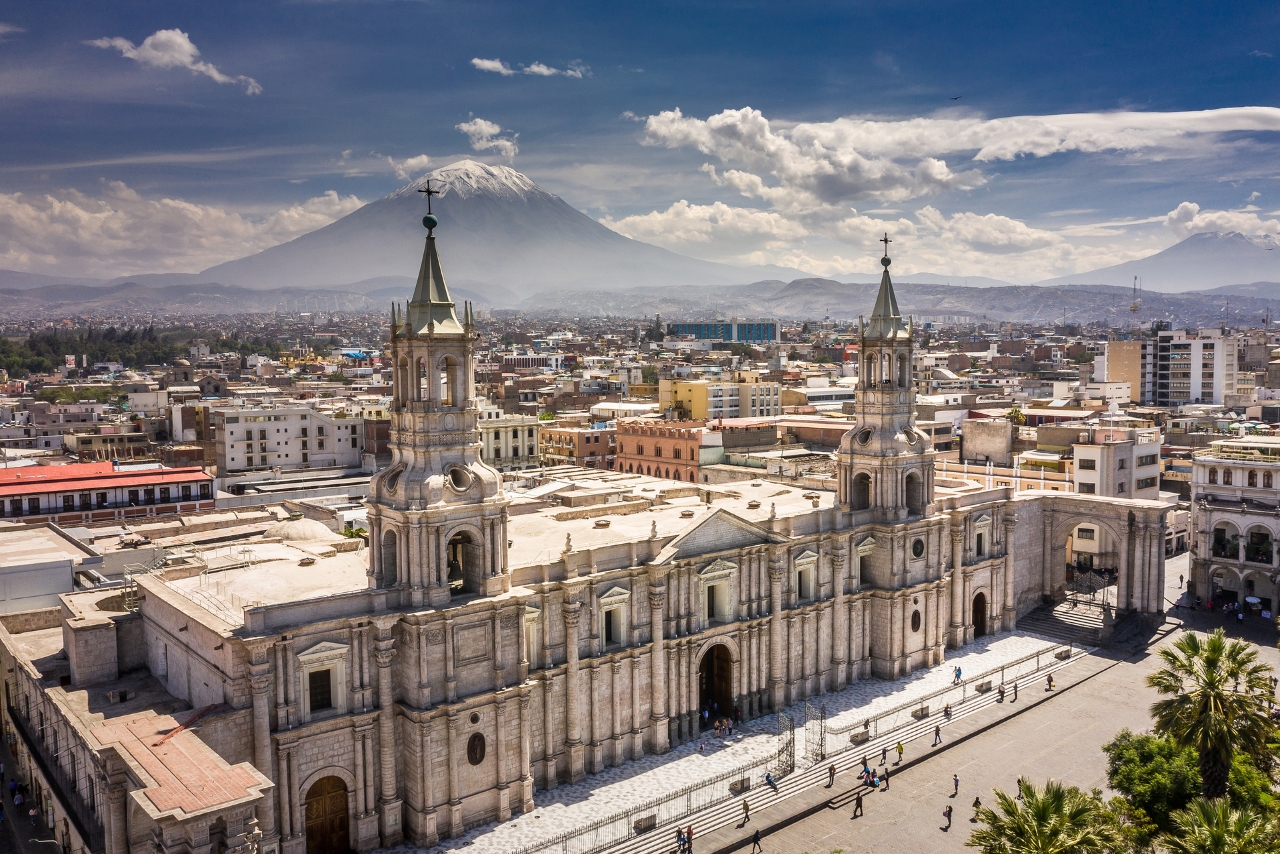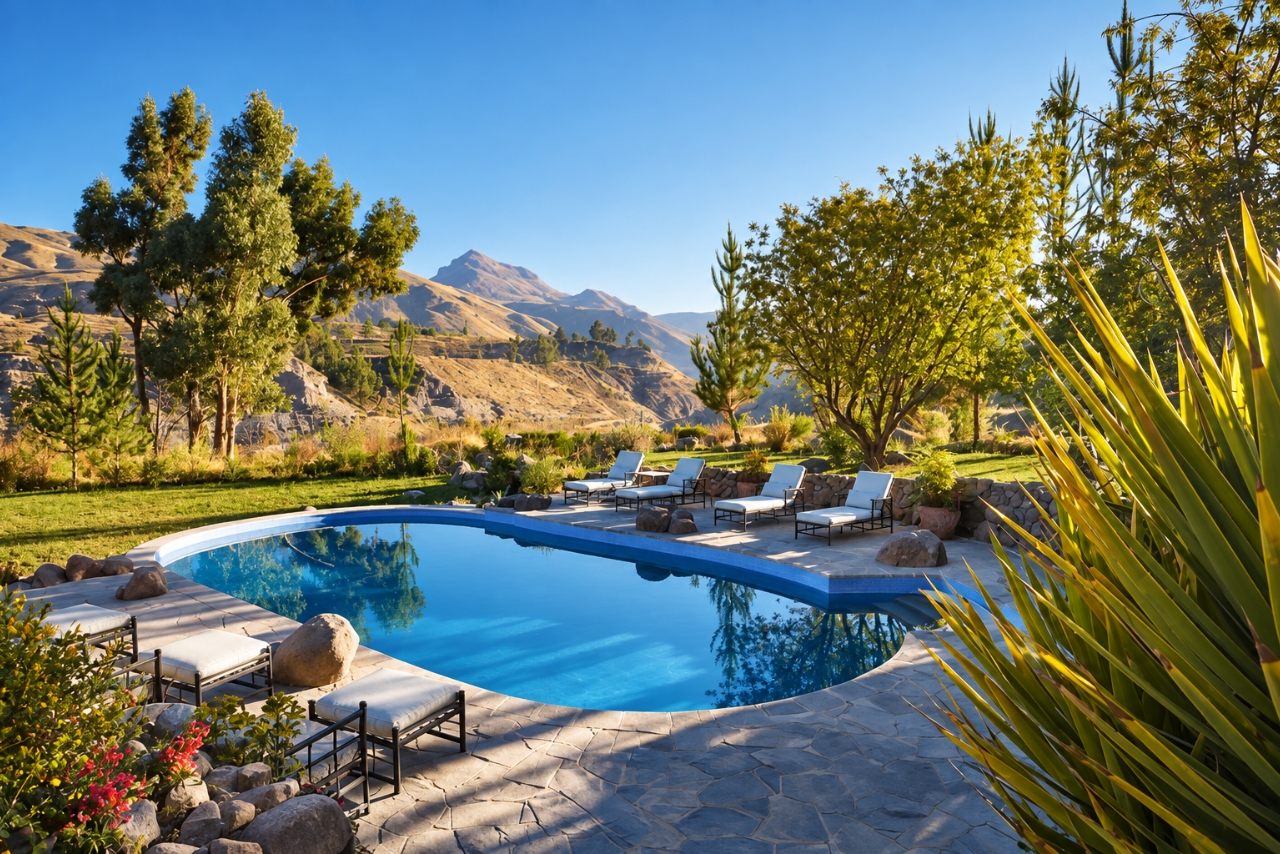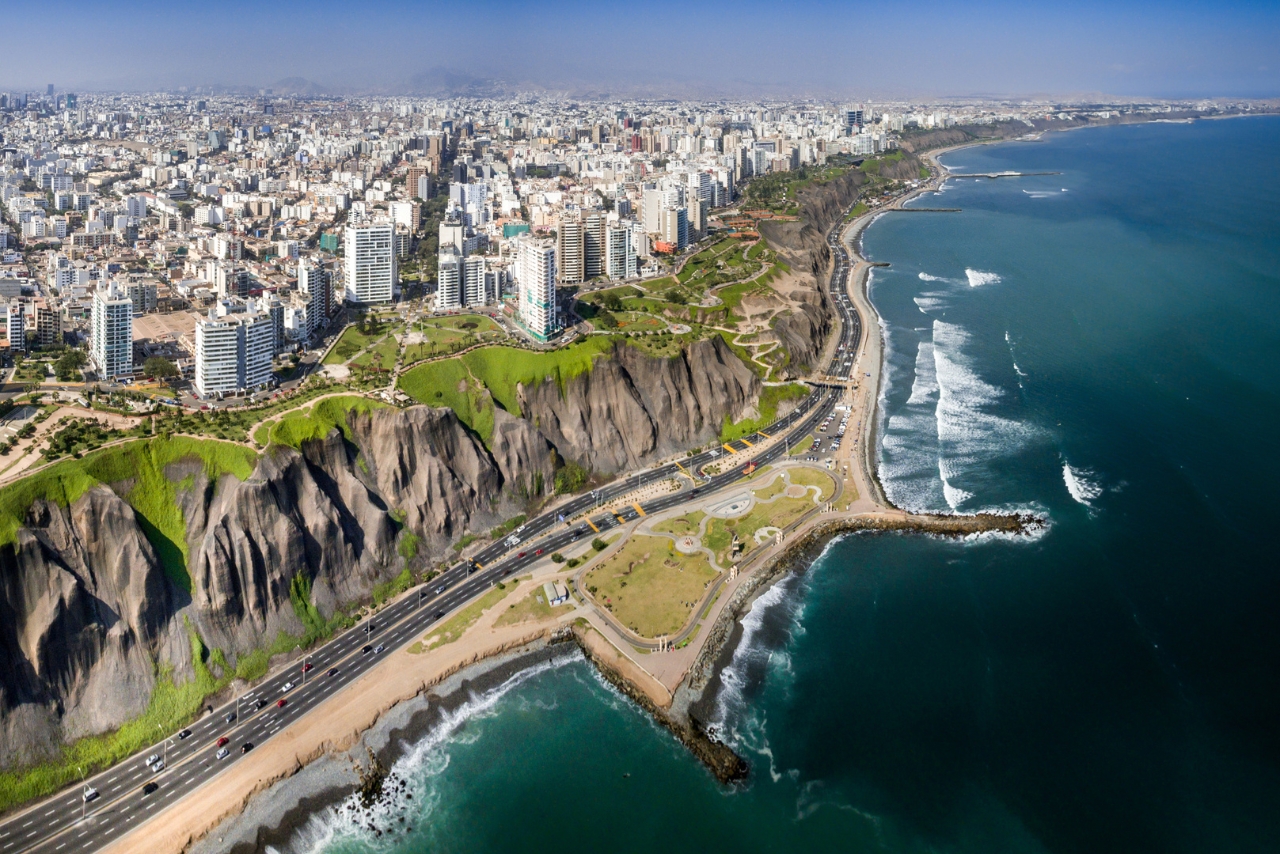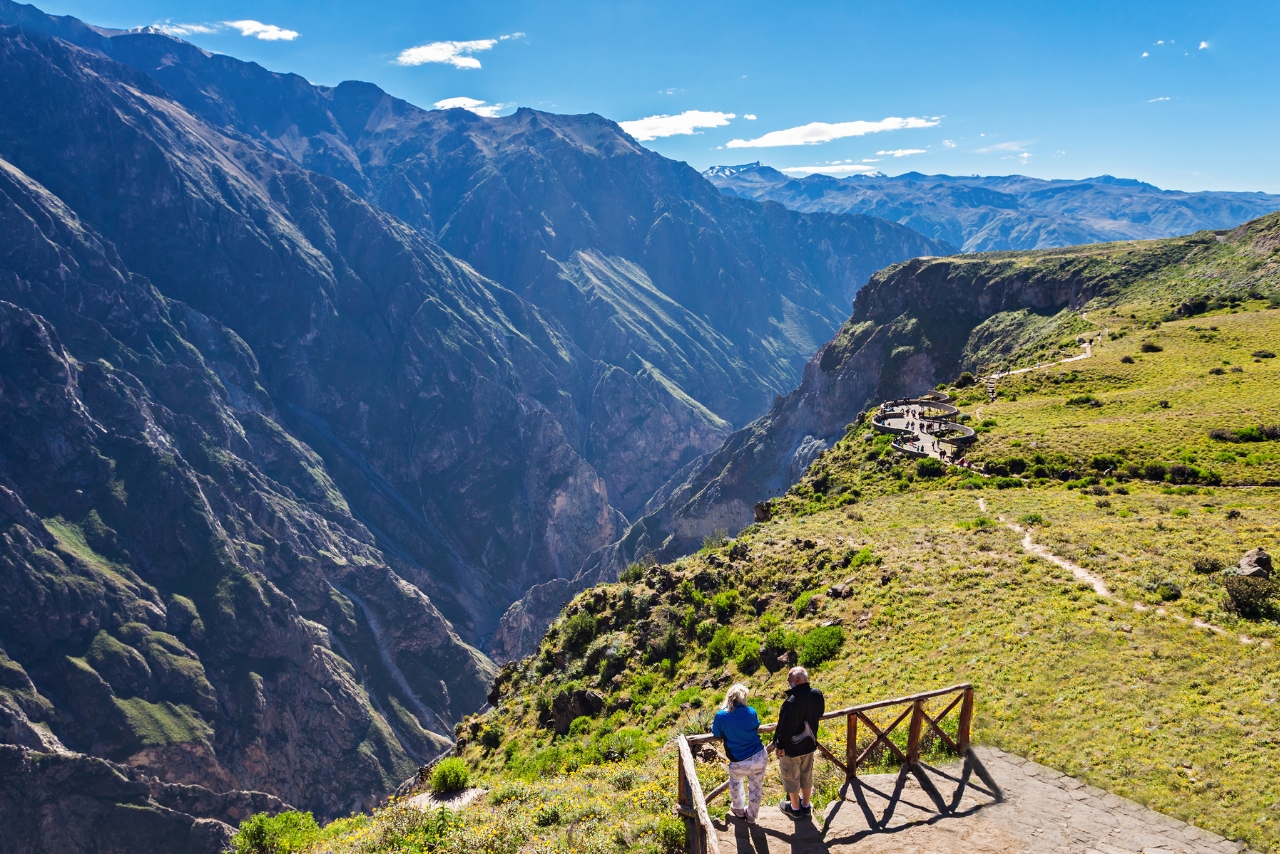
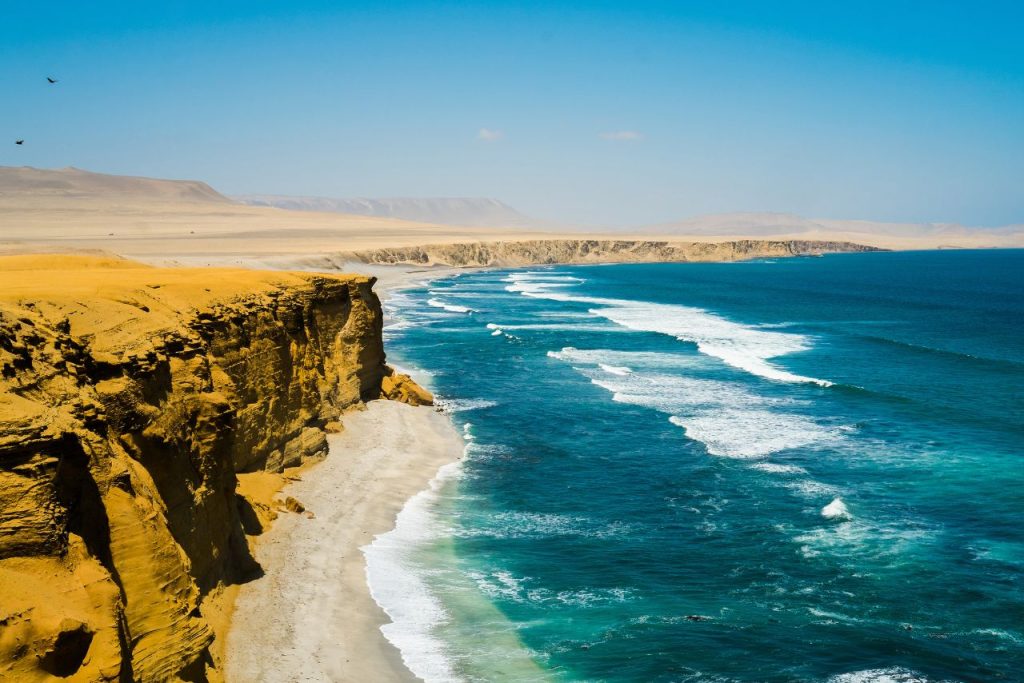
Peru is often imagined vertically: the Andes rising above cloud forests, stone terraces cut into mountainsides, and Machu Picchu appearing between peaks. Travel south from Lima, however, and the country begins to unfold in an entirely different direction. The mountains recede, the horizon widens and the Pacific meets one of the driest landscapes on Earth.
This is Peru’s southern coast, a region of marine reserves, sculpted desert, vineyards, pisco traditions and ancient cultures. Around Paracas, Pisco and Ica, the pleasure is in contrast: sea and sand, wildlife and stillness, heritage and contemporary comfort. For travelers looking to add a slower, lower-altitude chapter to a private Peru journey, the coast can feel like discovering another country within the same one.
Why Peru’s Southern Coast Belongs on a Luxury Itinerary
The southern coast works beautifully before or after time in the Andes because it changes both the scenery and the pace. Paracas sits at sea level, while Ica remains low compared with Peru’s highland destinations. The distances between experiences are manageable, yet the landscapes change dramatically within a relatively compact region.
A well-designed stay can move from a private wildlife excursion on the Pacific to a long lunch at a bodega, then into the desert for sunset. The following day might be reserved for the Paracas National Reserve, a pisco tasting with a specialist, a private hacienda visit or simply time by the sea. Luxury here is less about filling every hour and more about having the space, access and timing to experience each place well.
READ ALSO: Why Northern Peru Should Be Your Next Destination
Paracas
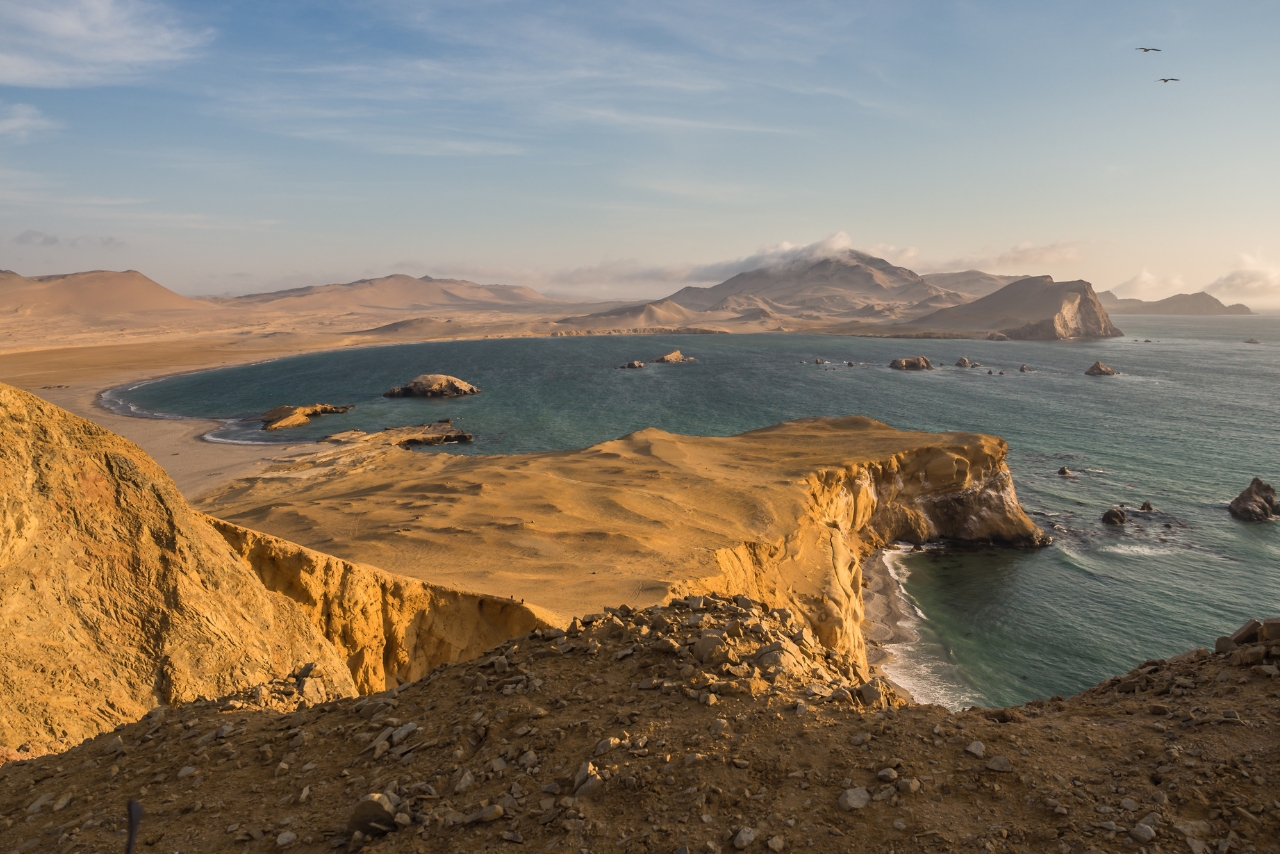
Paracas is where the defining image of the region comes into focus. The desert reaches the Pacific in sweeping cliffs, dunes, bays and beaches, creating a landscape that feels almost elemental. Inside the Paracas National Reserve, wind and sea have shaped geological formations while a rich marine-coastal ecosystem supports an impressive range of wildlife.
SERNANP records 216 bird species, 36 mammal species, 168 fish species and extensive marine biodiversity within the reserve. Red Beach, the peninsula viewpoints, salt flats and coastal formations make the reserve as compelling for its geography as for its fauna.
For our guests, the best way to experience Paracas is to build the day around the conditions and the guest. That might mean an early departure, a privately guided route through the reserve, cycling or an outdoor stop chosen for the light and weather. The goal is not to rush between viewpoints but to feel the scale of the landscape.
The Ballestas Islands and Peru’s Marine Wildlife
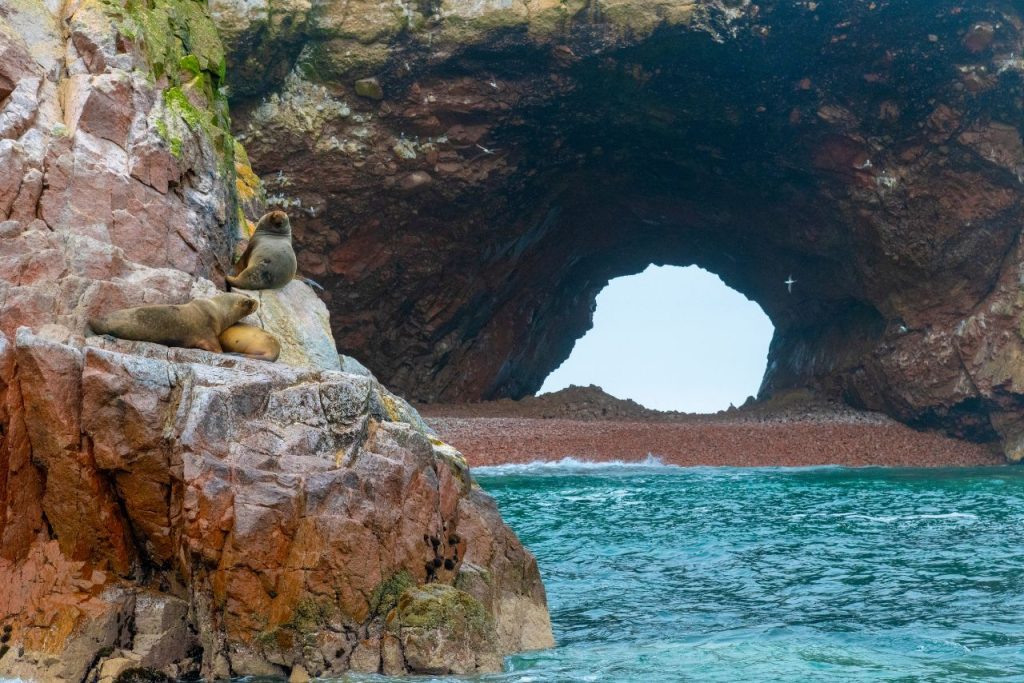
Off the coast, the Ballestas Islands add another dimension. These eroded islands and arches are home to South American sea lions, Humboldt penguins and large colonies of seabirds, including boobies, cormorants and pelicans. Boat excursions depart from Paracas and are one of the region’s most accessible wildlife experiences.
The islands are protected, so the experience is about observing wildlife in its habitat rather than stepping ashore. That distance is part of the appeal. With the right timing and a knowledgeable guide, the journey becomes less of a checklist and more of an introduction to the Humboldt Current ecosystem that shapes Peru’s coast.
Pisco
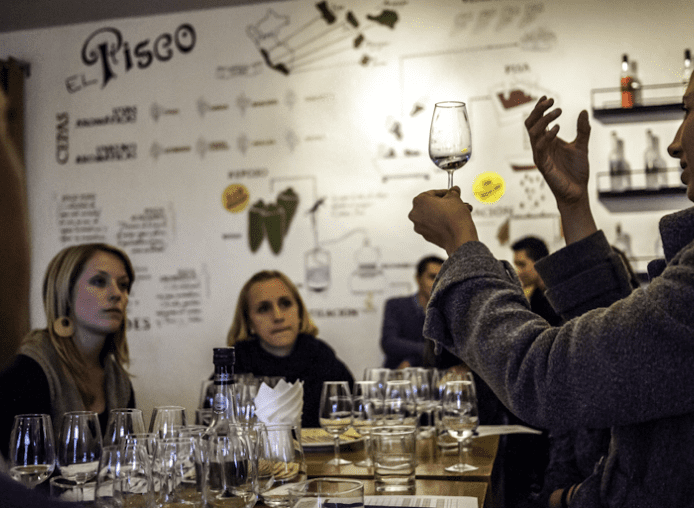
Travel inland and the desert begins to reveal why this seemingly austere environment has supported a long viticultural tradition. Ica is one of the authorized production regions for Peru’s Denomination of Origin Pisco, the grape spirit recognized by the Peruvian state as the country’s first denomination of origin.
Pisco is made from permitted pisco grape varieties and distilled according to defined production rules. Yet the most memorable way to understand it is not by starting with regulations. It is by standing among vineyards, walking through a bodega, meeting the people behind a label and tasting how grape variety, production choices and place influence what is in the glass.
Our pisco experiences can be shaped around the traveler, from private tastings and cocktail sessions to bodega visits and longer explorations of the coastal valleys. For anyone interested in food, wine or craft, pisco offers a direct connection between Peru’s desert geography and its living culture.
READ ALSO: The Craft Behind Peru’s Pisco
Ica

Ica is often introduced through Huacachina, the famous oasis surrounded by dunes just outside the city. The setting is undeniably striking, but there is more to the region than the lagoon. The wider Ica landscape is a mosaic of vineyards, agricultural valleys, desert and longstanding family enterprises connected to wine and pisco.
For a luxury journey, Ica works best when the experience is edited carefully. A private vineyard or bodega visit, a thoughtful tasting, a long lunch and time in the desert can create a day that feels generous rather than busy. Those who want more activity can add a 4WD desert experience or sandboarding, while others may prefer to watch the dunes change color towards sunset.
This is also where the region’s extraordinary sense of space becomes most noticeable. Away from the city, the desert has a cinematic quality, particularly in the late afternoon when the light softens and long shadows move across the dunes.
READ ALSO: 15 Most Beautiful Places in Peru — From Quaint Towns to Iconic Inca Sites
Southern Coast Travel Tips
Stay: Hotel Paracas, La Hacienda Bahía Paracas or a private Enigma stay
Eat: Fresh ceviche, seafood, local catch and vineyard lunches
Wear: Linen, breathable layers, comfortable shoes and a light jacket
Pack: Sunscreen, sunglasses, sun hat, swimwear and a windbreaker
Best for: Paracas, Ballestas Islands, Ica vineyards and pisco experiences
Ideal stay: 2–4 nights
Best time: Morning for Ballestas Islands, late afternoon for the desert
Don’t miss: A private pisco tasting or traditional bodega visit
Travel style: Slow, scenic and experience-led rather than over-scheduled
Enigma tip: Pair the coast with Lima before continuing into the Andes
An Optional Extension to the Nazca Lines
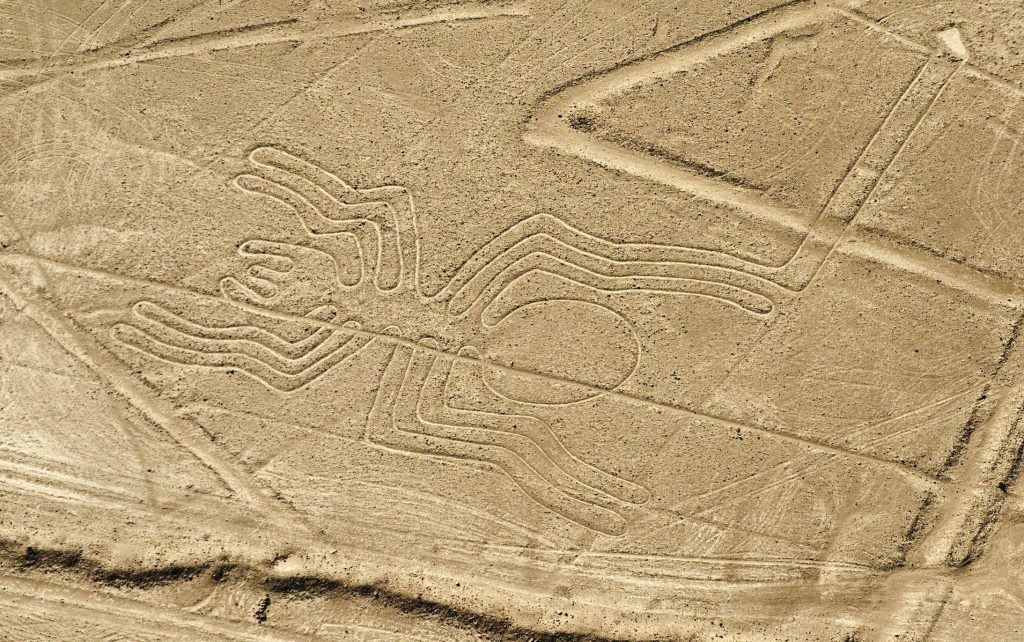
Travelers with a strong interest in archaeology can extend farther south to Nazca. The Nasca and Palpa Lines and Geoglyphs are among Peru’s most enigmatic archaeological legacies and form part of a much wider cultural landscape that includes ancient settlements, ceramics, textiles and sophisticated water systems.
A scenic flight is the best-known way to appreciate the scale of the geoglyphs, while travelers who prefer to remain on the ground can explore the region through archaeological sites and viewpoints. Nazca requires additional travel time, so it is best included because it genuinely matches the traveler’s interests, rather than simply to add another famous name to the itinerary.
When to Visit Peru’s Southern Coast
Paracas and Ica can be visited throughout the year. The coast is arid, and Peru Travel lists Paracas with a generally mild coastal climate. Ica is also promoted as a year-round destination, although evenings can feel cooler between June and September.
For travelers, the more important consideration is often the type of experience planned. Boat excursions, desert activities and wildlife outings can be influenced by wind, sea and local conditions. A private itinerary allows the sequence of activities to remain flexible, so the day can be adjusted around the best available conditions rather than forcing a fixed schedule.
How Many Days Do You Need?
For most travelers, two to three nights gives the southern coast enough breathing room to feel worthwhile. Paracas can serve as the main base for the marine reserve and Ballestas Islands, with Ica and the pisco valleys added by private transfer. Travelers who want Nazca, deeper archaeology or a slower stay should allow more time.
Our current destination planning recommends at least one to two nights for Paracas, Ica and Nazca as an add-on, while its wider Southern Desert concept can be expanded into a longer journey incorporating coastal culture, wildlife, vineyards and archaeology. In practice, the ideal length depends on whether the coast is a pause between major destinations or a destination in its own right.
Pairing the Coast With Lima and the Andes
The southern coast is particularly effective as an extension from Lima. It can also provide a beautiful contrast to Cusco, the Sacred Valley and Machu Picchu. After high-altitude days among mountains and archaeological sites, arriving in Paracas changes the sensory experience completely: salt air, open horizons, desert light and a slower rhythm.
For first-time visitors, this contrast can make a classic Peru journey feel broader without making it unnecessarily complicated. For repeat travelers, the coast offers a chance to go deeper into Peru’s gastronomy, wildlife and pre-Inca heritage.
Experience Peru’s Southern Coast With Enigma
Beyond Peru’s iconic highlands lies a coast shaped by desert, ocean, wildlife and centuries of tradition. We design private journeys through Paracas, Pisco and Ica around the interests, pace and travel style of each guest, bringing together the places worth seeing with the people and experiences that give them meaning.
Explore Paracas, Ica & Nazca, discover Enigma’s Pisco experiences, or begin with a tailored journey designed entirely around you.
Frequently Asked Questions
For this journey, the focus is the coastal desert south of Lima, particularly Paracas, Pisco and Ica, with Nazca as a natural extension for travelers interested in archaeology.
Yes. Paracas offers a strong contrast to the Andes, combining sea-level travel, desert landscapes, marine wildlife and easy access to the wider Ica region.
Two to three nights works well for many private itineraries. Add more time if you want Nazca, deeper pisco experiences, archaeology or a slower pace.
Yes. Both are year-round destinations, although temperatures, wind and sea conditions vary. Private planning helps sequence outdoor and marine experiences around the best conditions.
The appeal is the combination of privacy, space and access: private guiding, carefully selected wildlife excursions, vineyard and bodega visits, thoughtful dining, high-quality coastal stays and the ability to adapt each day to the traveler.