Most first trips to Peru follow the same clean line. Lima, then Cusco, then the Sacred Valley, then the train. It is a good route, and the citadel earns every superlative ever written about it.
The country on either side of that line is where the surprises sit. Peru holds coastal desert, high puna, cloud forest and the Amazon inside a single border. The national tourism board counts more than 1,800 bird species and over 300 mammals across that range.
We’d plan a trip to Peru for someone who has time and wants more than just a postcard. By comparison, each of the following places is easy to get to, well-served, and quieter. You won’t have to give up comfort to get to any of them.
At a Glance: The Peru We’d Plan for a Luxury Traveler
- Peru beyond Machu Picchu holds sites of comparable scale with a fraction of the visitors.
- Choquequirao rewards a two-day walk with near solitude inside an Inca city.
- Kuelap sits behind a stone wall rising as high as twenty meters.
- The Colca Canyon is one of the deepest canyons on earth and the realm of the Andean condor.
- Manu National Park is a UNESCO World Heritage site of exceptional biological diversity.
- Lake Titicaca offers overnight stays with weaving and farming communities on its islands.
Choquequirao

Choquequirao takes its name from the Quechua choqekiraw, meaning Cradle of Gold. The name refers to the way its stones catch the sunlight. The site is linked to the Inca Empire’s fifteenth-century expansion. It is attributed to the reign of Pachacutec. After the Spanish arrived, the Vilcabamba region became a stronghold of Inca resistance.
Getting there is the point. The journey involves two days of hiking and camping along the route, with basic guesthouses available at certain points. The site sits at 3,103 meters, on a promontory high above the Apurimac River gorge.
What waits at the top is a complex of agricultural terraces, ceremonial squares and structures that show advanced planning. Terraces decorated with llama figures are among its most distinctive features, and much of the site remains unexcavated. Unlike busier sites, visitors here can move through spaces where nature and architecture still feel untouched. Lonely Planet named it a best-in-travel destination in 2017.
Private expeditions to Choquequirao run over four days with full camp support. Guests often say that walking out is the better half of the trip.
READ ALSO: How to Plan a Luxury Trip to Peru That Feels Truly Personal
Northern Peru

The north is Peru’s quietest and most remarkable region. At its center stands Kuelap, protected by an outer wall that rises to twenty meters in height. It sits on the summit of an almost inaccessible mountain, within a rugged and dramatic landscape.
Inside, the Templo Mayor is a circular structure shaped like an inverted cone. It is also known as the Tintero, or Inkwell. It is linked to astronomical belief, and it reflects the sophisticated knowledge of Kuelap’s builders. You can reach the site by bus to Nuevo Tingo, then by Peru’s first cable car system. A short walk from the La Malca station completes the approach.
Kuelap reveals a society capable of adapting stone to mountainous terrain at a remarkable scale. Walking its passageways brings you close to a culture that found identity and permanence in the heights. The surrounding Amazonas region rewards a slower stay. Its misty forests shelter orchids, spectacled bears and Andean cocks-of-the-rock.
READ ALSO: Why Northern Peru Should Be Your Next Destination
Arequipa and the Colca Canyon

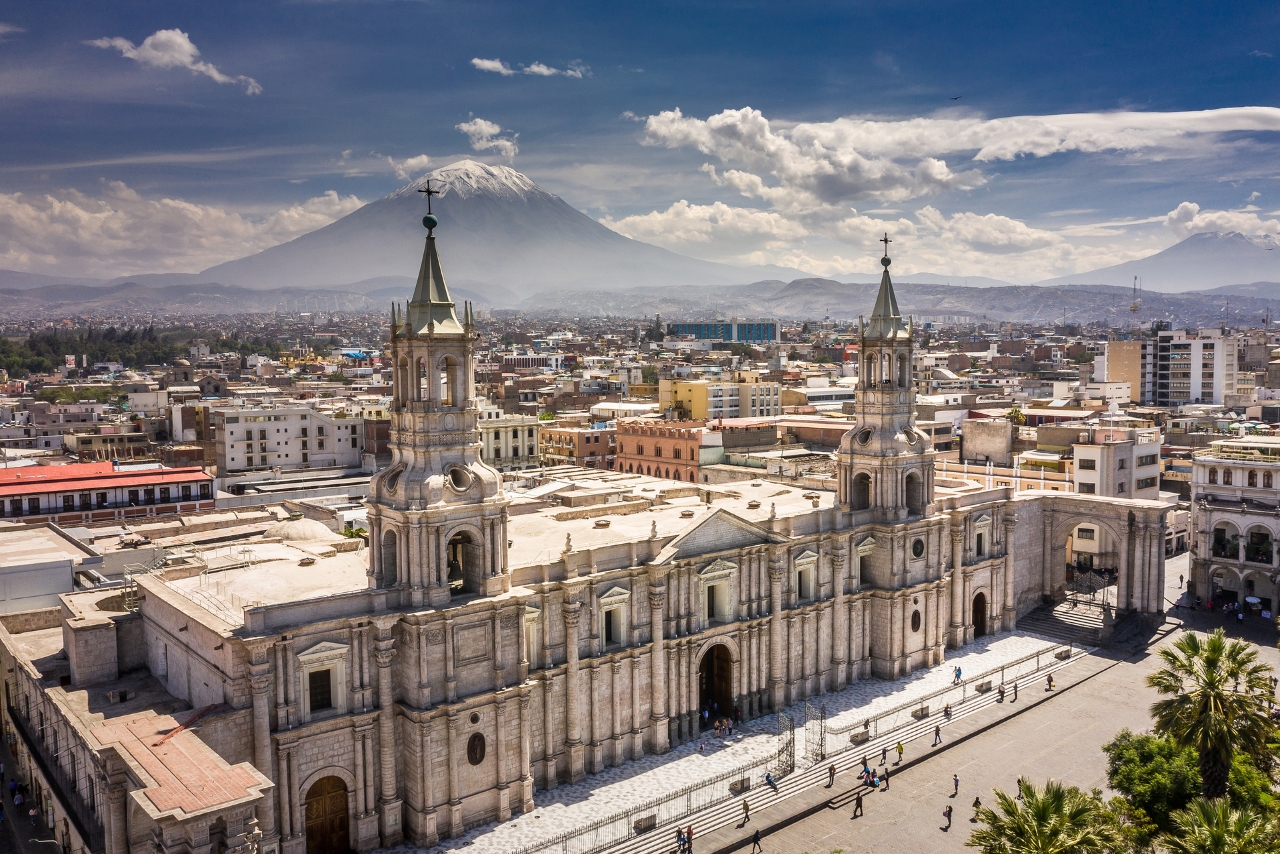
Arequipa is the most elegant city in Peru and the most underused. Its sillar architecture, built from pale volcanic stone, gives the White City its unmistakable character. Neighborhoods such as Yanahuara and San Lazaro hold quiet lookout points with clear views of the Misti volcano.
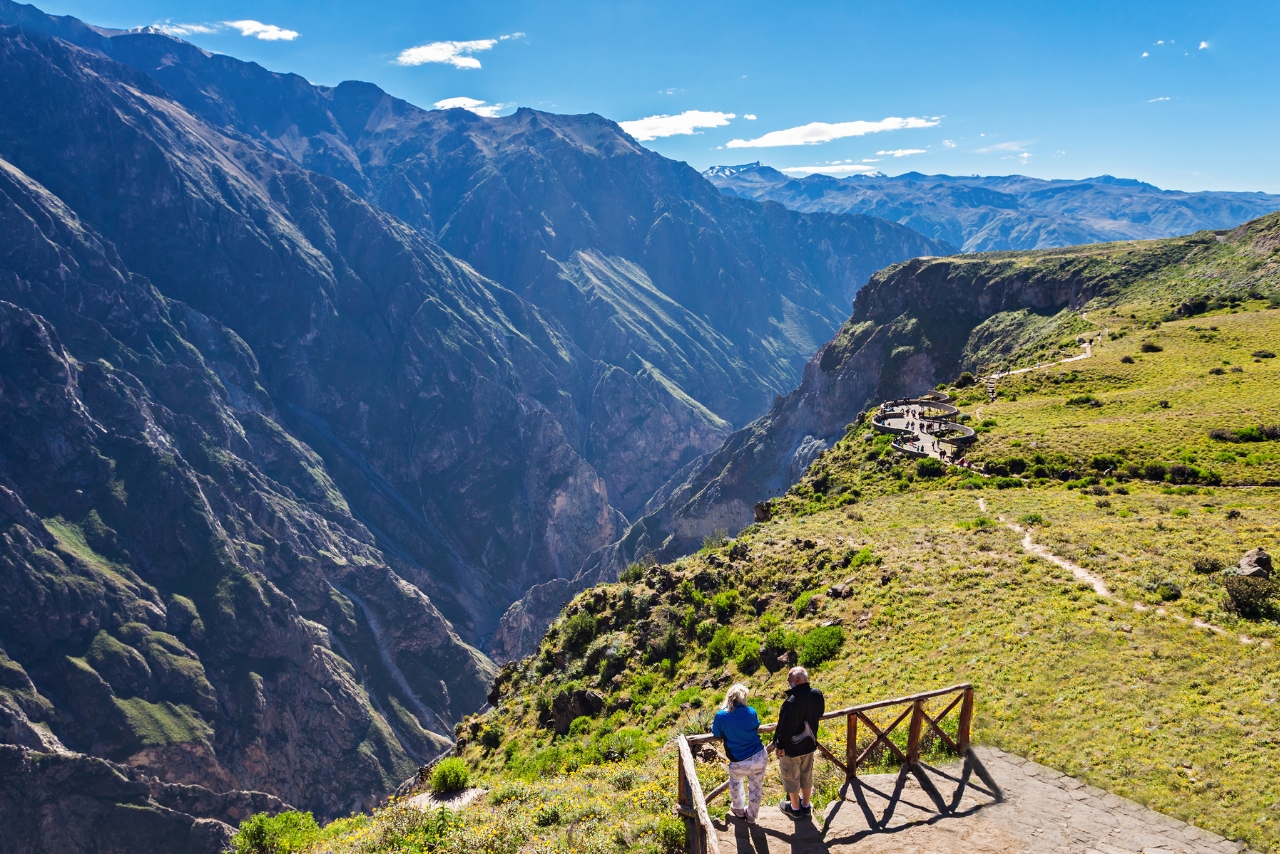
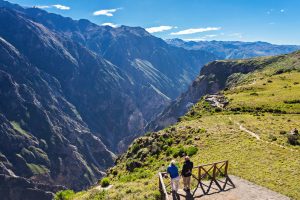
The Colca Valley lies about 150 kilometers away, among volcanoes, hot springs and colonial villages. Yanque, Sibayo and Coporaque each reward an unhurried stop. Elevations range from 2,900 to 4,500 meters, and the canyon itself is among the deepest on the planet.
The Cruz del Condor lookout is the essential vantage point for seeing the flight of the Andean condor. The experience goes past the visual. The silence of dawn and the wind through the mountains carry the scale of the place. The condor is rarely seen on demand. Sometimes it appears only as a black dot far above the ridge. That uncertainty is part of the reward.
READ ALSO: Colca: The World’s Most Beautiful Silence
The Amazon
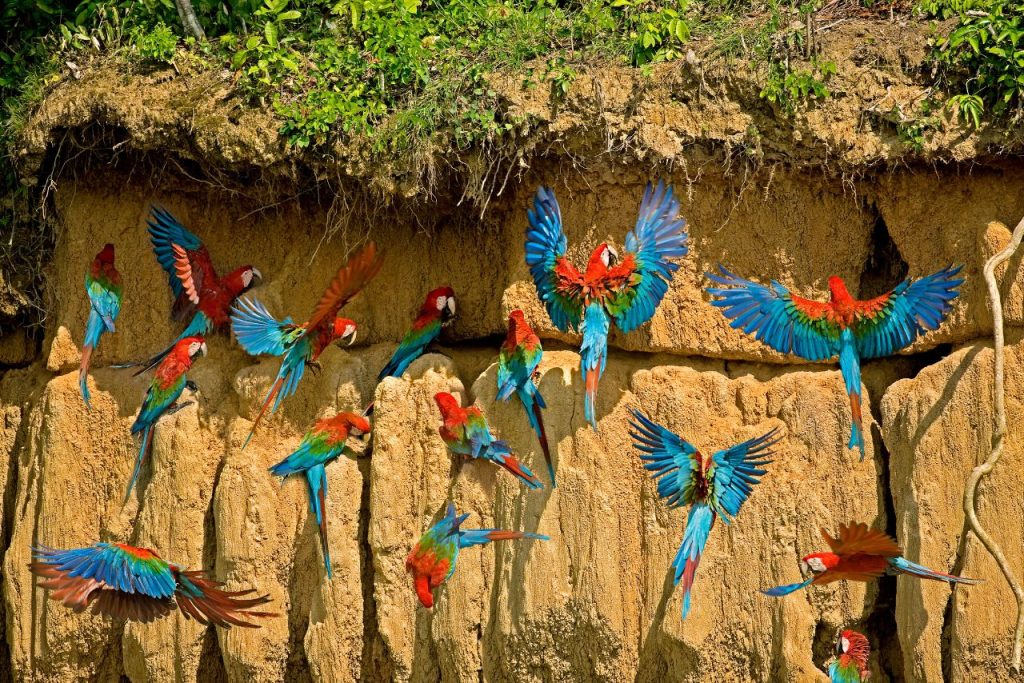
Peru’s rainforest is best entered slowly and with a serious naturalist. Manu National Park is a UNESCO World Heritage site spanning the Cusco and Madre de Dios regions. It shelters 228 mammal species, 150 amphibians, 132 reptiles, 210 fish and more than 1,000 birds. Its landscape ranges from tropical lowland forest to frigid puna above 4,000 meters.
Reaching the deeper zones means navigating winding rivers and trekking into dense forest. Eco-lodges provide an intimate and responsible base, while observation towers and macaw clay licks deliver the wildlife encounters. Manu is also home to native populations who preserve their traditions, with some living in voluntary isolation.
Tambopata offers a gentler introduction, with community-based tourism that brings guests into daily local routines. Guests can join the Brazil nut harvest and learn ancestral techniques from the people who still practice them. Those visits fund the forest that surrounds them.
READ ALSO: The Peruvian Amazon: A Complete Guide to Peru’s Greatest Wilderness
Lake Titicaca
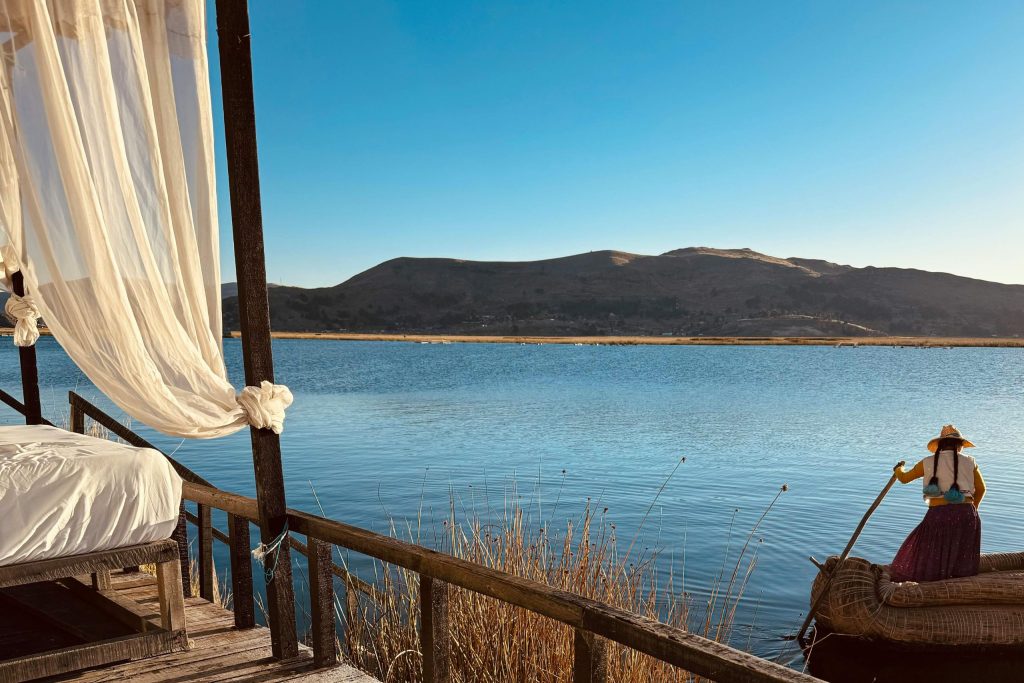
Lake Titicaca is the highest navigable lake in the world, sitting at 3,812 metres above sea level. It covers roughly 8,372 square kilometres, making it feel more like a sea than a lake.
Most visitors see it in a single rushed morning. The better version is an overnight stay on Amantani or Taquile, where families welcome guests into their homes. Meals are shared, trails are walked, and the day’s harvest becomes something you take part in. In 2023, the World Tourism Organization named Taquile to the World’s Best Tourist Villages list.
The Uros islands are built entirely by hand from totora reeds that grow in the lake itself. Inland, the chullpas of Sillustani rise above Lake Umayo, burial towers of fitted stone that are up to twelve metres tall.
READ ALSO: 5 Under the Radar Places to Check Out in Peru
The Peru We’d Plan for a Luxury Traveler
A twenty-day private journey, north to south
Most Peru itineraries move in a tight loop around Cusco. This one does not. It opens in the cloud forests of the north. From there it crosses the southern Andes at an unhurried pace, then closes at river level in the Amazon.
The order is deliberate. Altitude rises gradually across the first eleven days, so the body is ready before anything demanding. Machu Picchu arrives late but not last. The rainforest closes the journey at low elevation, which is the kindest possible ending.
The whole journey is private. Guides, vehicles and timings belong to you alone.
| Days | Region | Elevation | Character |
|---|---|---|---|
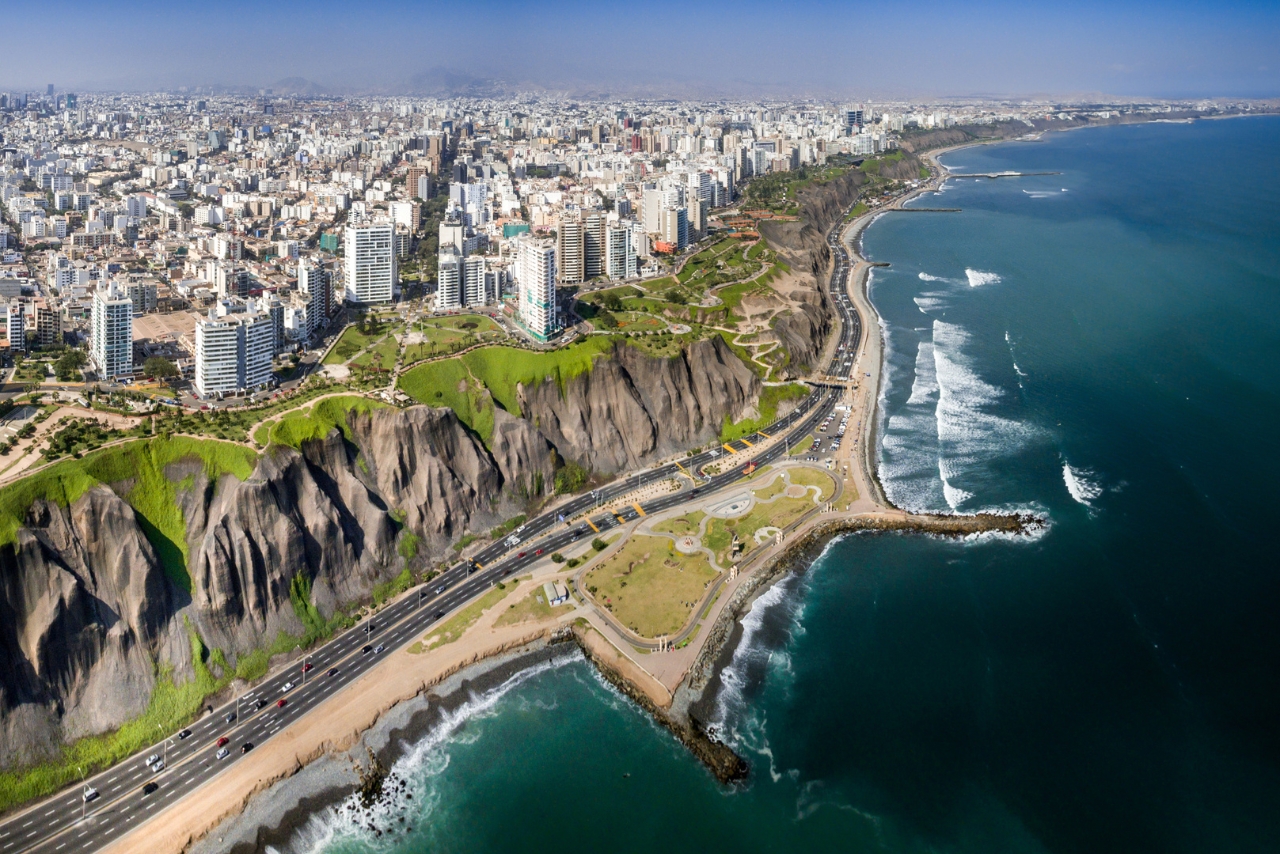
| 1 to 2 | Lima | Sea level | Coastal city, food, arrival |
| 3 to 6 | Amazonas, northern Peru | Moderate | Cloud forest, Chachapoya sites |
| 7 to 8 | Arequipa | High | Colonial city, volcanic light |
| 9 to 11 | The Colca Canyon | 2,900 to 4,500 m | Condors, villages, hot springs |
| 12 to 13 | Lake Titicaca | 3,812 m | Island communities, overnight stay |
| 14 to 16 | Cusco and the Sacred Valley | High | Inca sites, markets, terraces |
| 17 | Machu Picchu | Moderate | First entry, private guiding |
| 18 to 20 | Madre de Dios | Low | Rainforest, wildlife, river |
Two shorter versions
Fourteen days, southern circuit only
Remove days 3 to 7 and the journey becomes a clean southern loop. Lima, Arequipa, the Colca Canyon, Lake Titicaca, the Sacred Valley, Machu Picchu and the Amazon.
This itinerary is the version most travelers choose on a first visit. It loses the north entirely, which is the trade.
Nine days, the north and Lima
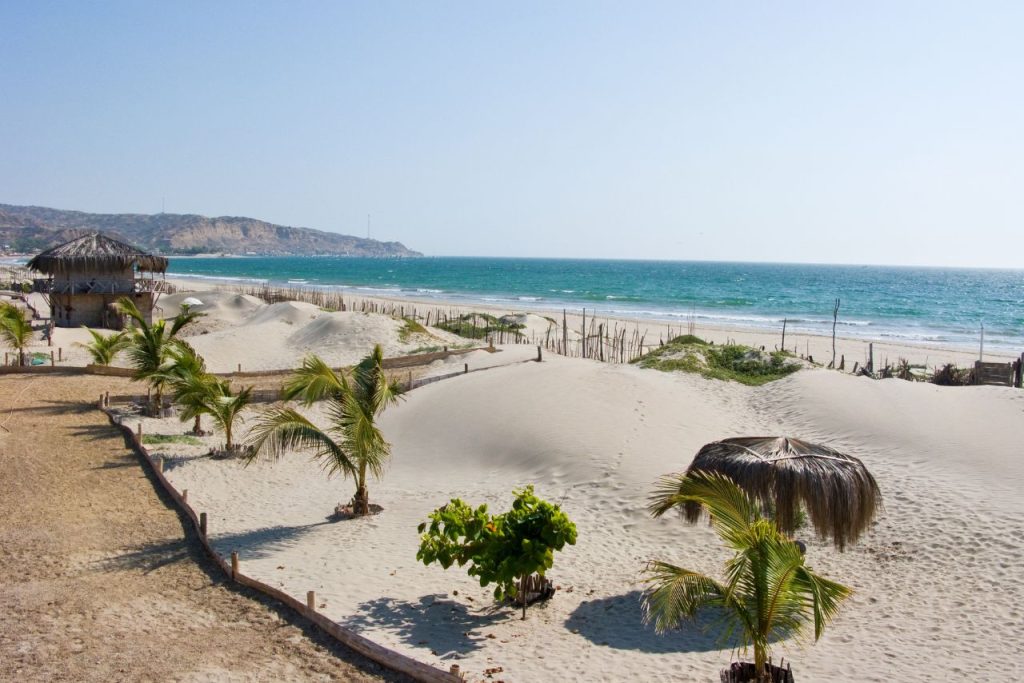
Days 1 to 7 stand alone as a short journey in their own right. Lima, Gocta, Kuelap, Karajia and Leymebamba, with two further days added for Cajamarca or the Moche coast.
This version suits a second trip to Peru or a traveler who has already seen Machu Picchu.
Replacing Machu Picchu with Choquequirao
Days 14 to 18 can instead become a Choquequirao expedition. It suits travelers who want to earn a site rather than arrive at one. The route runs from Cachora down into the Apurimac canyon and steeply up the far side.
Choquequirao requires no advance permit, so departures can be arranged at shorter notice. Much of the site remains unexcavated, and visitor numbers are a small fraction of those at Machu Picchu.
How the journey actually holds together
A journey beyond Machu Picchu lives or dies on sequence, not on the length of the list. Cusco, Puno and Colca all sit at high elevation, so acclimatization time should be built in before anything demanding. The dry season from April to October brings clear skies and crisp nights.
A strong fourteen-day shape runs Lima, then Arequipa and Colca, then Titicaca, then Cusco and the Sacred Valley. Machu Picchu lands mid-journey rather than as the finale. The Amazon closes the trip at low altitude, which is the kindest way to end.
Northern Peru works best as its own journey or as a five-day extension flown from Lima. Choquequirao is added for travelers who want to earn a site rather than arrive at one.
READ ALSO: What to Pack for Peru: A Luxury Traveler’s Guide
Practical notes
Season. The dry season from April to October brings the clearest skies across the Andes. March and November trade a little weather certainty for considerably more space at every site.
Altitude. The sequence above raises elevation gradually and deliberately. Colca and Titicaca are the highest points, and both are reached after several days at moderate altitude. Rushing this order is the most common planning error in Peru.
Internal flights. The journey uses four domestic flights. Each is held with private airport assistance at both ends. Connections in Lima are where most itineraries lose time.
Pace. Twenty days sounds long and rarely feels it. The itinerary holds four full free afternoons, which is intentional.
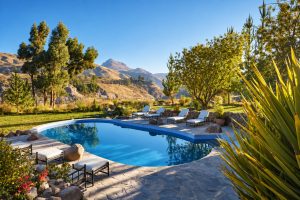
Accommodation. Properties are chosen by location and character rather than by category alone. In the north and on Titicaca, the best option is sometimes the simplest one. That is always stated clearly in advance.
Responsible travel. Three elements of this journey direct income straight to the households hosting you. They are the community stays on Titicaca, the weaving visits in the Sacred Valley and the Brazil nut harvest. Spreading visitors across regions and seasons is also how these places stay intact.
Frequently Asked Questions
Is it worth traveling beyond Machu Picchu on a first trip to Peru?
Yes, because a single additional region turns a short highlights circuit into a genuine journey.
How long should a trip beyond Machu Picchu be?
Fourteen days covers the southern circuit comfortably, and eighteen allows the Amazon without rushing.
Which site beyond Machu Picchu feels most like a discovery?
Choquequirao, because its scale is comparable and its visitor numbers are a small fraction.
Is northern Peru difficult to reach?
No, it is served by domestic flights from Lima and reached from there by private road transfer.
When is the best time to travel?
April to October brings the clearest skies across the Andes and the most reliable conditions.
Can these regions be combined in one itinerary?
Yes, though north and south are best treated as two distinct arcs within the same trip.
Build Your Private Journey With Enigma
Peru rewards travelers who go further than the headline. ENIGMA has designed private, tailor-made journeys across the country since 2002, from Cusco to the northern cloud forest. Our team builds each itinerary around your pace, your interests and the access we have spent two decades earning.
Let us design a private Peru journey in which every transfer, stay and experience belongs to the story of the trip.